A Chiang Mai coffee crawl: the cafés worth your time
We went into this trip skeptical that a coffee crawl in a Thai city would rival what we’d done in Melbourne or Lisbon. We were wrong, and Chiang Mai’s café scene ended up being one of the trip’s genuine highlights rather than a side activity we squeezed in between temples.
Starting point: Nimman, and the density that makes it work
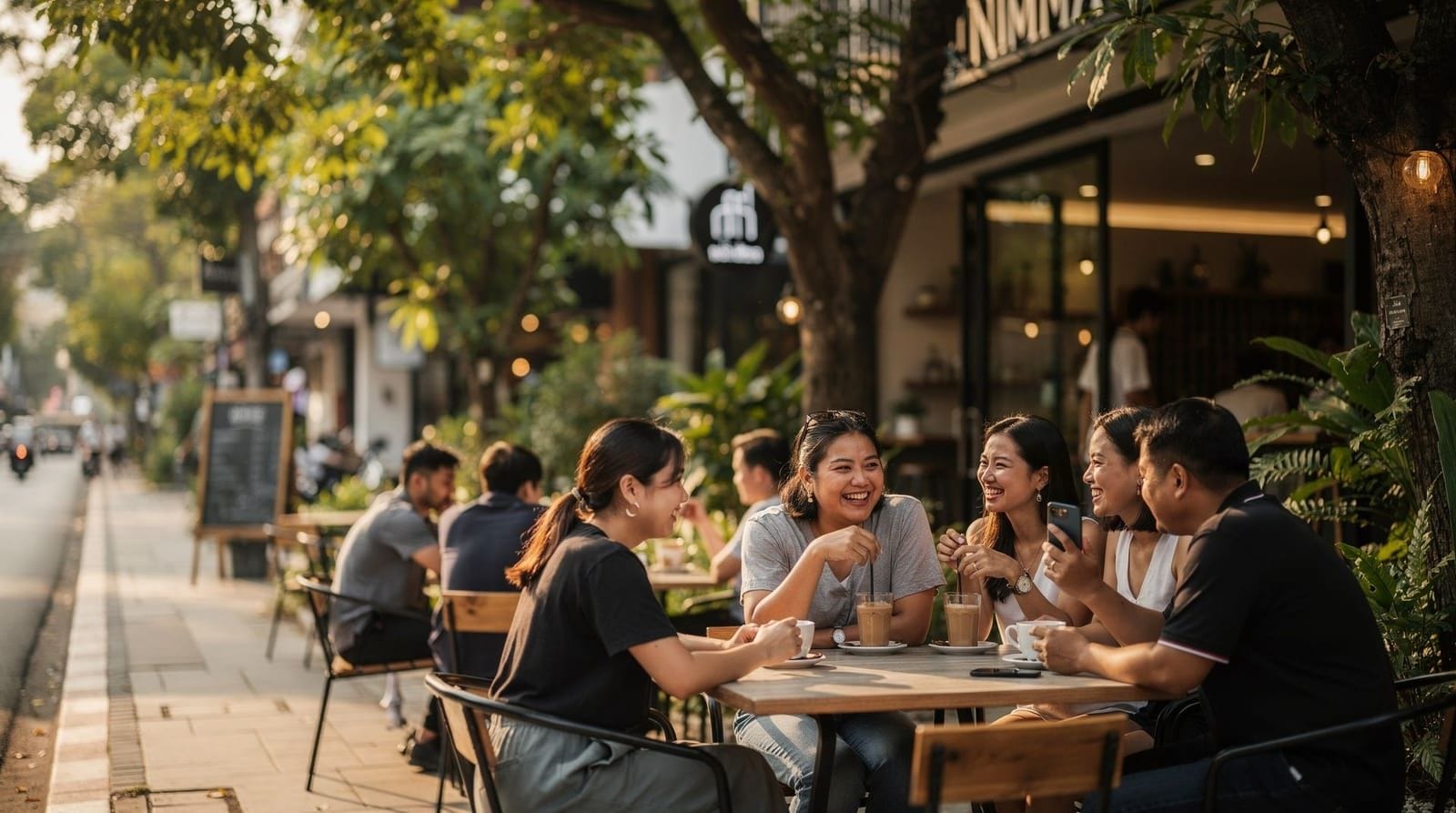
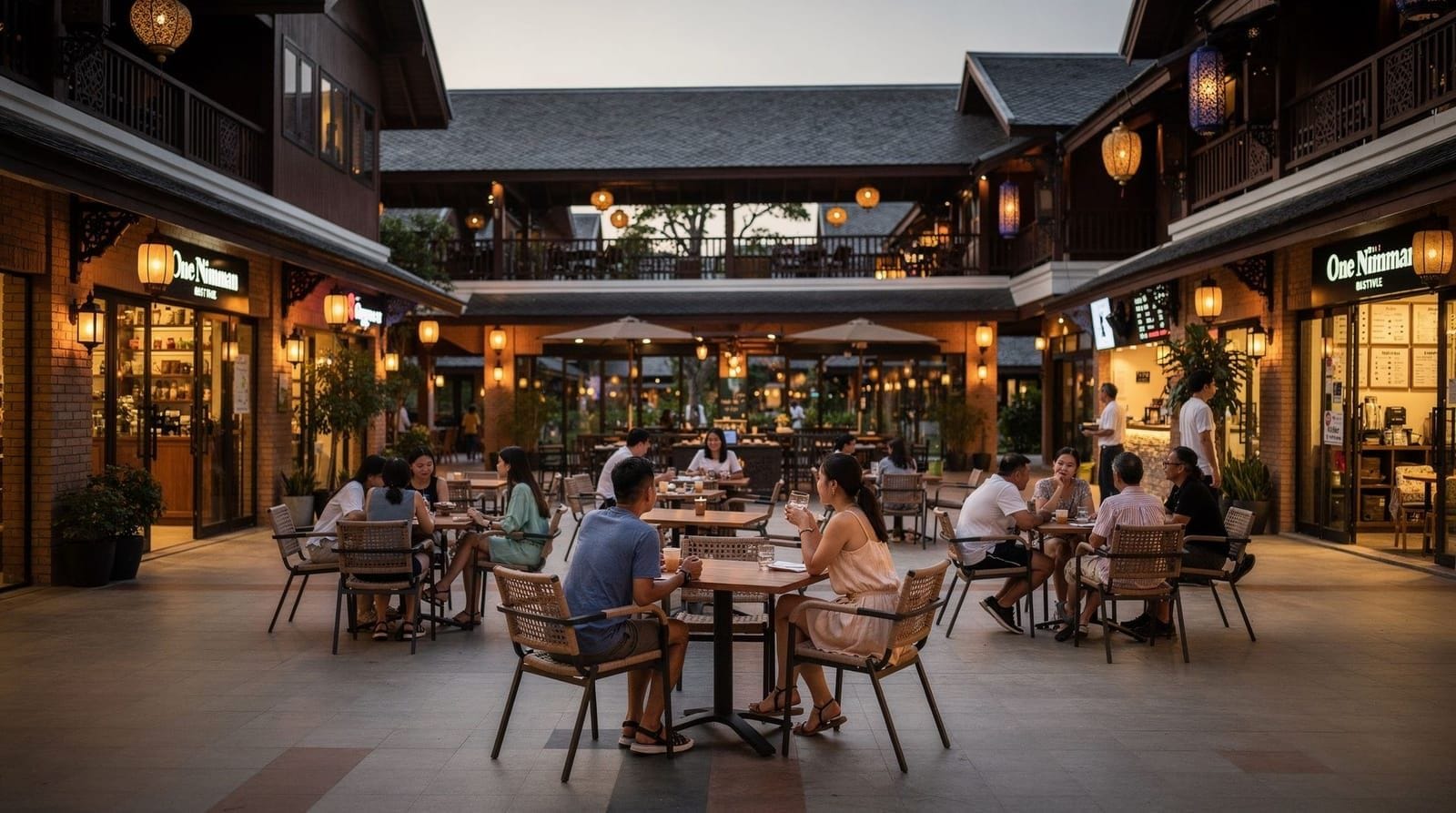
Nimman is where a crawl makes the most sense logistically — enough serious cafés within a compact, walkable grid that you can hit four or five spots in an afternoon without needing transport between any of them. We started near One Nimman plaza, which anchors a cluster of cafés, and worked outward from there rather than trying to plan a rigid route in advance. Prices across Nimman’s better cafés run fairly consistently: a flat white or cappuccino in the 90–140 THB range (roughly $2.50–$4), pour-overs sometimes higher depending on the origin and rarity of the bean.
Why this ended up on our underrated list
We hadn’t expected a coffee crawl to feel like a genuinely underrated activity going in, assuming it was too obvious a recommendation to count as a real find. After the trip, we’d argue it deserves more attention specifically because most itineraries mention “good coffee in Nimman” as a passing aside rather than treating it as a planned half-day activity worth its own dedicated time slot, the way we ended up treating it.
What actually separated the good cafés from the average ones
The clearest pattern we noticed: cafés roasting their own beans, or sourcing specifically from named northern Thai growing regions (Doi Chang, Doi Inthanon, Mae Hong Son highlands were the names that came up most), consistently outperformed places serving generic, unlabeled “Arabica blend” without further detail. It’s a small thing to check, but asking a barista where the beans came from was a surprisingly reliable filter for whether a café took its coffee seriously or was mostly built around the aesthetic. We got noticeably more confident, detailed answers at the places whose coffee we later ranked highest, which felt like more than coincidence by the end of the crawl.
The single-origin spot that reset our expectations
One café, tucked down a quieter soi off the main Nimman strip, served a washed Doi Chang single-origin filter coffee that was genuinely one of the best cups either of us had outside a dedicated coffee capital — bright, distinctly fruit-forward, nothing like the over-roasted, slightly burnt profile we’d unconsciously been expecting from “Thai coffee” going in. It’s the kind of place with limited seating and a real risk of a queue on weekend mornings, so we’d suggest a weekday visit if you can manage it, ideally arriving not long after opening.
The all-day café that doubled as a workspace
A second stop, larger and more geared toward longer stays, had genuinely good wifi, plenty of outlets, and a menu that stretched into proper brunch food alongside the coffee — useful if you want to combine a coffee stop with an hour of actual work or writing rather than a quick espresso and move on. It was busier with a visible mix of long-term digital nomads and short-stay tourists, which gave it a different, more work-focused atmosphere than the quieter specialty spot mentioned above. We ended up spending almost three hours there on a slower afternoon, which says something about how comfortable the space actually was rather than any lack of other plans.
Old City’s café scene: fewer options, but a different pace
We deliberately did a second, shorter crawl through Old City a few days later, expecting a thinner selection given Nimman’s reputation as the district’s coffee center. That held true in terms of quantity, but the Old City cafés we found leaned more toward a slower, sit-and-linger pace — several set inside converted traditional teak houses with courtyard seating, genuinely pleasant as a break between temple visits rather than as a destination crawl in their own right. One, tucked behind a working temple compound, served coffee alongside a small changing exhibition of local photography, which turned a planned twenty-minute stop into closer to an hour.
The detour to where some of it actually grows
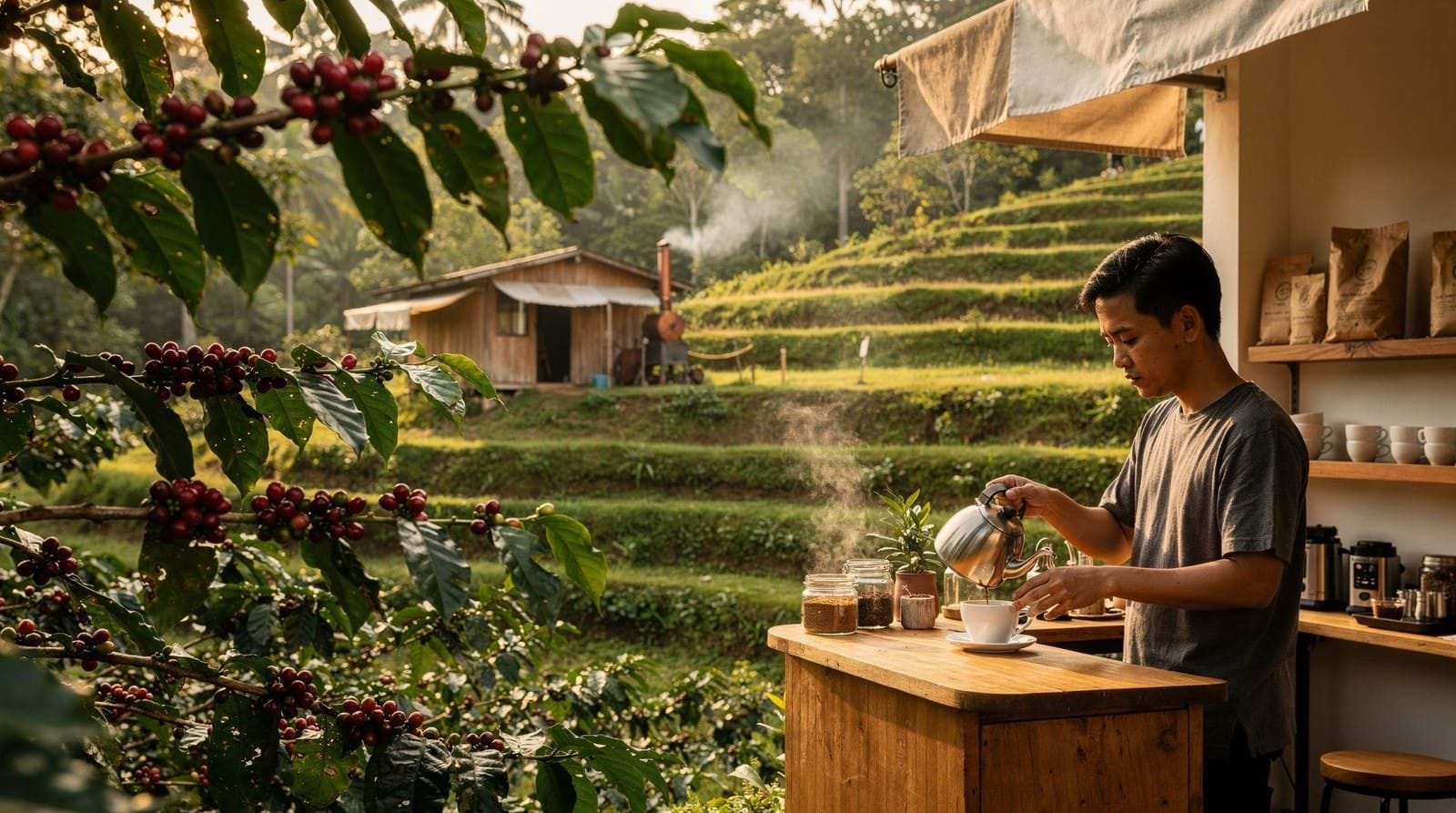
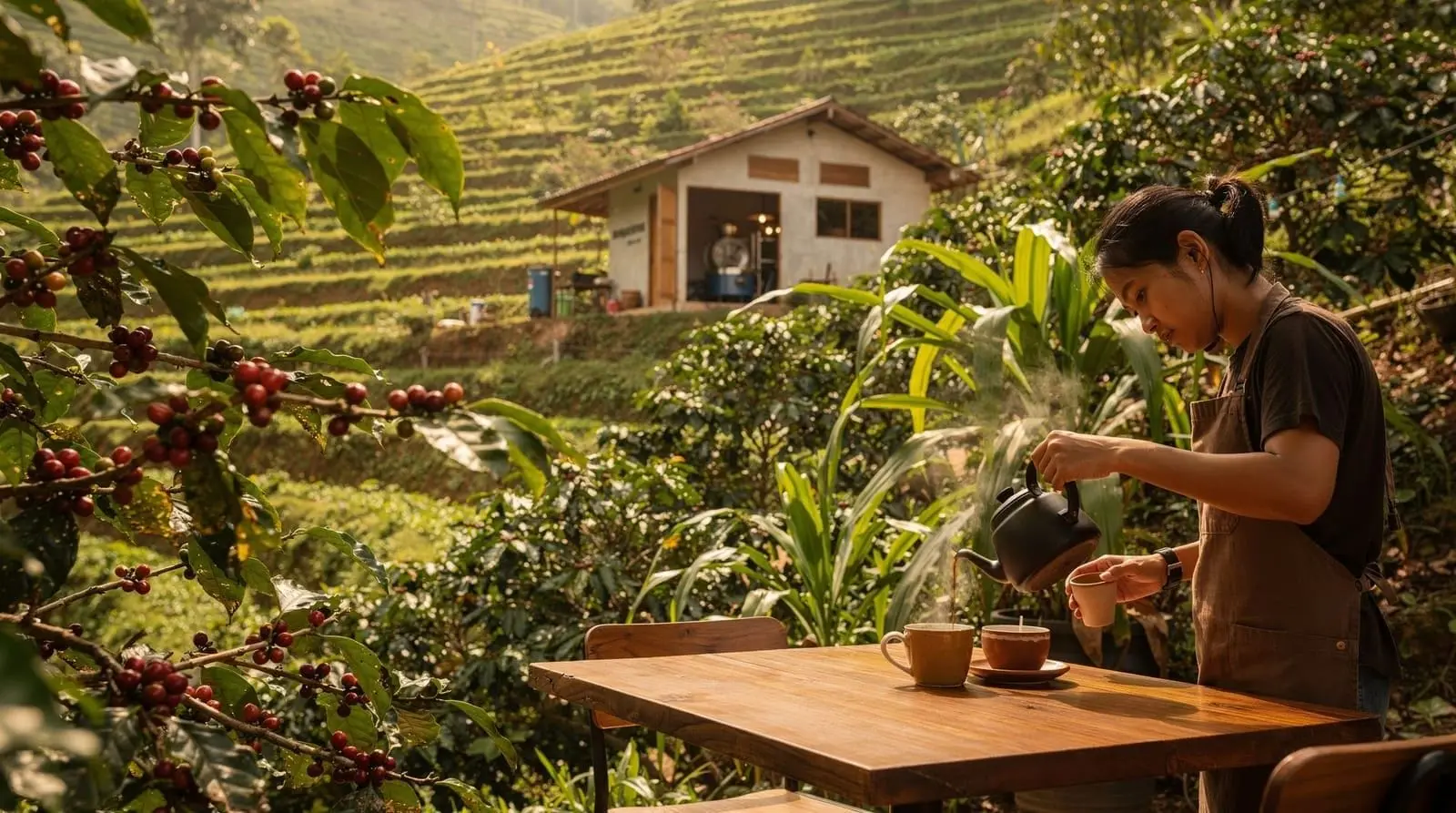
The most memorable coffee experience of the trip wasn’t in the city at all. We took a day trip out toward the hill country to join a small-group jungle coffee farm visit, where a local grower walked us through the process from cherry to roasted bean on the mountain slopes where northern Thailand’s specialty coffee is actually grown — a genuinely different understanding of the “farm to cup” phrase than reading it on a café menu ever gives you. Seeing the altitude, the shade cover, and the actual harvesting process changed how we thought about every cup we’d had in the city cafés up to that point, and we found ourselves asking more specific questions at every café we visited afterward.
Jungle coffee farm trek with roast and brew experienceMae Kampong: the village-level version of the same story
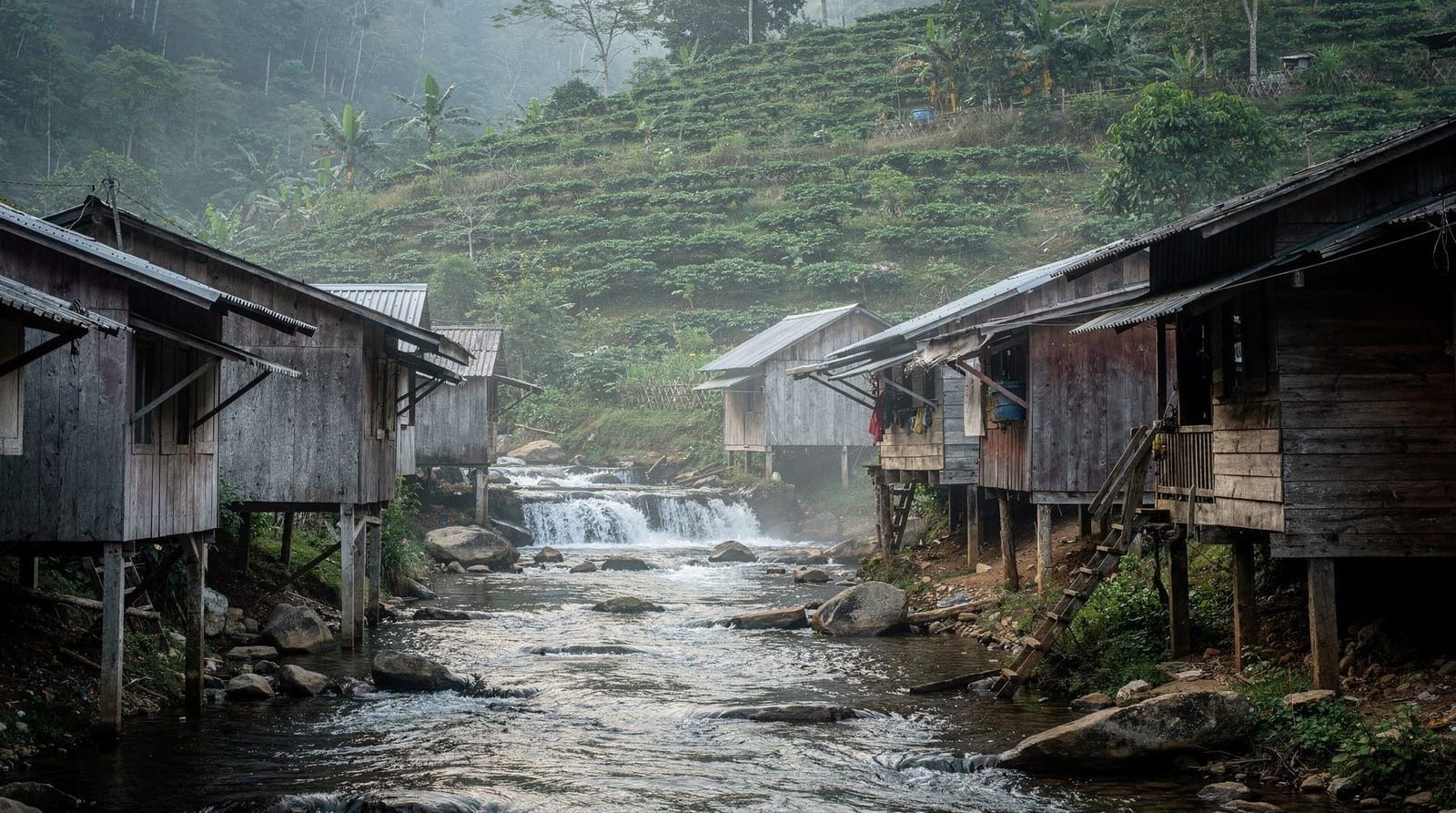
A separate trip toward Mae Kampong village, a mountain community that’s built part of its tourism economy around its own coffee production, gave us a village-scale version of the same experience — small home-based cafés serving coffee grown on the surrounding hillsides, with a much quieter, more residential setting than either city district. It’s a longer trip to make purely for coffee, but combined with the village’s waterfall and homestay scene, it rounded into a full half-day rather than feeling like a single-purpose detour, and the coffee itself, brewed in genuinely basic home-kitchen setups rather than polished café equipment, was some of the most memorable of the whole trip precisely because of how unpolished the presentation was.
What to order if you only get one shot at each café
If we were doing a single-visit-per-café crawl again, we’d default to ordering a straightforward filter or pour-over rather than a milk-based drink at any place claiming a specific single-origin bean, since the milk genuinely masks a lot of the flavor nuance that’s the whole point of seeking out a specialty roaster in the first place. We made this mistake at our first two stops, ordering flat whites out of habit, before realizing partway through the crawl that we were essentially paying a premium for beans whose distinguishing character we then couldn’t fully taste.
The one overhyped café we wouldn’t go back to
Not every stop lived up to its online reputation. One heavily photographed café near the edge of Nimman, the kind that shows up on seemingly every “best cafés in Chiang Mai” list, served a genuinely unremarkable cappuccino at a price roughly 30% higher than the quieter, better spots nearby, and the queue for a table outside made it feel more like a photo-op destination than a place people were actually going for the coffee itself. We wouldn’t specifically avoid it, but we’d temper expectations if the online hype is what’s drawing you there rather than a specific recommendation from someone who’s actually tasted the coffee.
What we’d have done differently
We’d have spread the Nimman leg across two separate half-days rather than trying to hit five cafés in one afternoon, since by the fourth stop our ability to actually taste and appreciate differences between cups had genuinely dulled from simple caffeine saturation. A more deliberate pace — two cafés, a proper break, then one more — would have let us appreciate each stop rather than treating the later ones as a formality.
What it added up to, cost-wise
Across a full day of five or six stops, including the farm-trek day separately, we spent noticeably more on coffee alone than we’d have guessed going in — somewhere around 600–800 THB per person (roughly $17–22) for a single Nimman crawl afternoon covering four or five drinks and a couple of small snacks split between us. It’s not an expensive habit by any absolute measure, but it added up to more across the full trip than either of us tracked casually until we actually tallied receipts afterward, and it’s worth budgeting for deliberately if a genuine crawl, rather than one or two coffee stops, is part of the plan.
Our actual crawl route, if you want to copy it
Start in Nimman late morning, working from One Nimman outward through two or three specialty cafés before lunch. Take an early afternoon break, then a shorter Old City leg toward evening when the slower, courtyard-café pace suits the day’s wind-down better than Nimman’s more caffeinated energy. If you have a spare day in the itinerary, the coffee farm or Mae Kampong detour is worth it specifically for the context it gives every cup afterward — we noticed the difference in how we tasted things for the rest of the trip. For a fuller list of specific café names and opening hours beyond what fits here, our coffee culture guide and Nimman neighborhood guide have the details we didn’t have room for in a single crawl write-up.