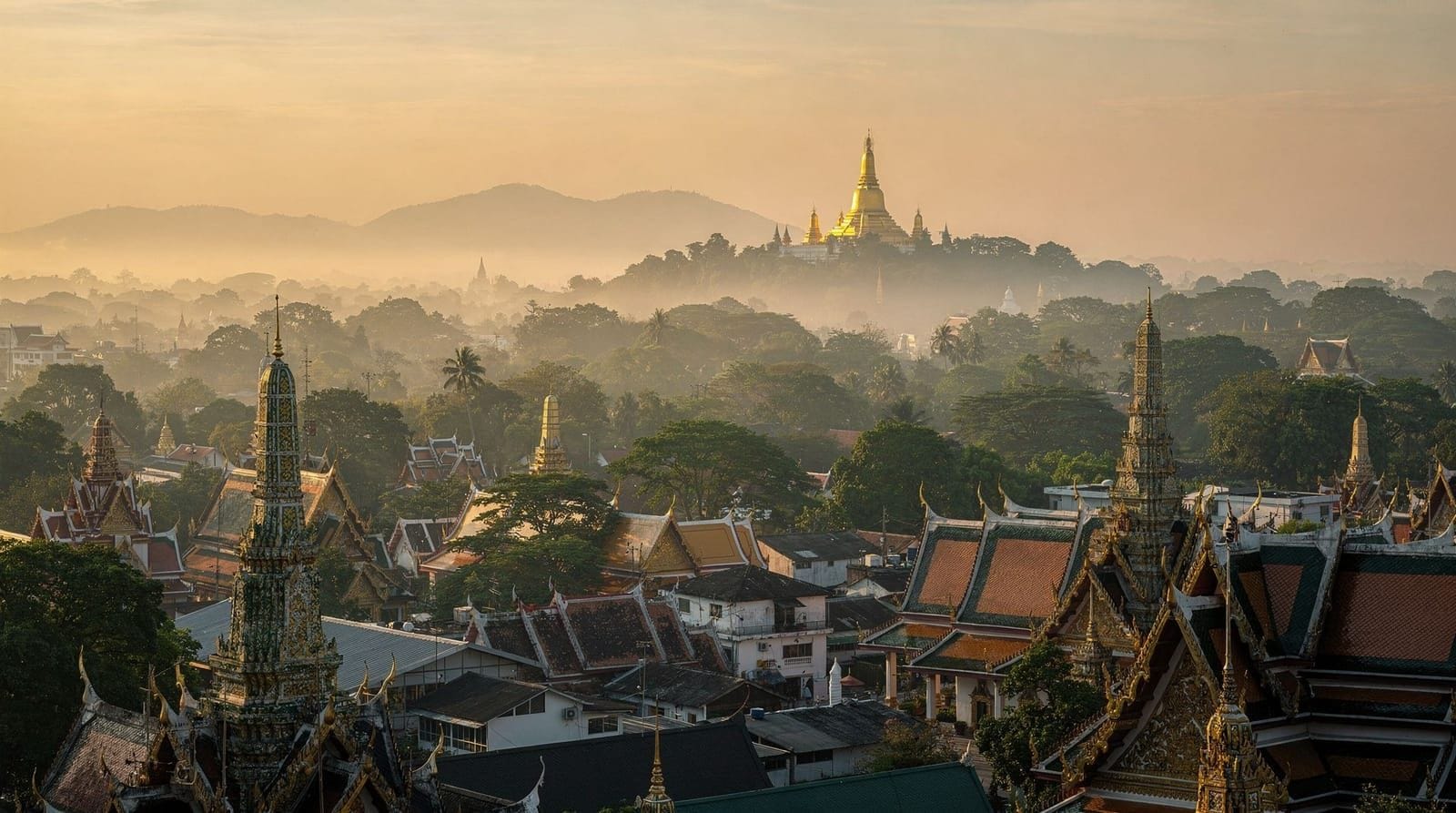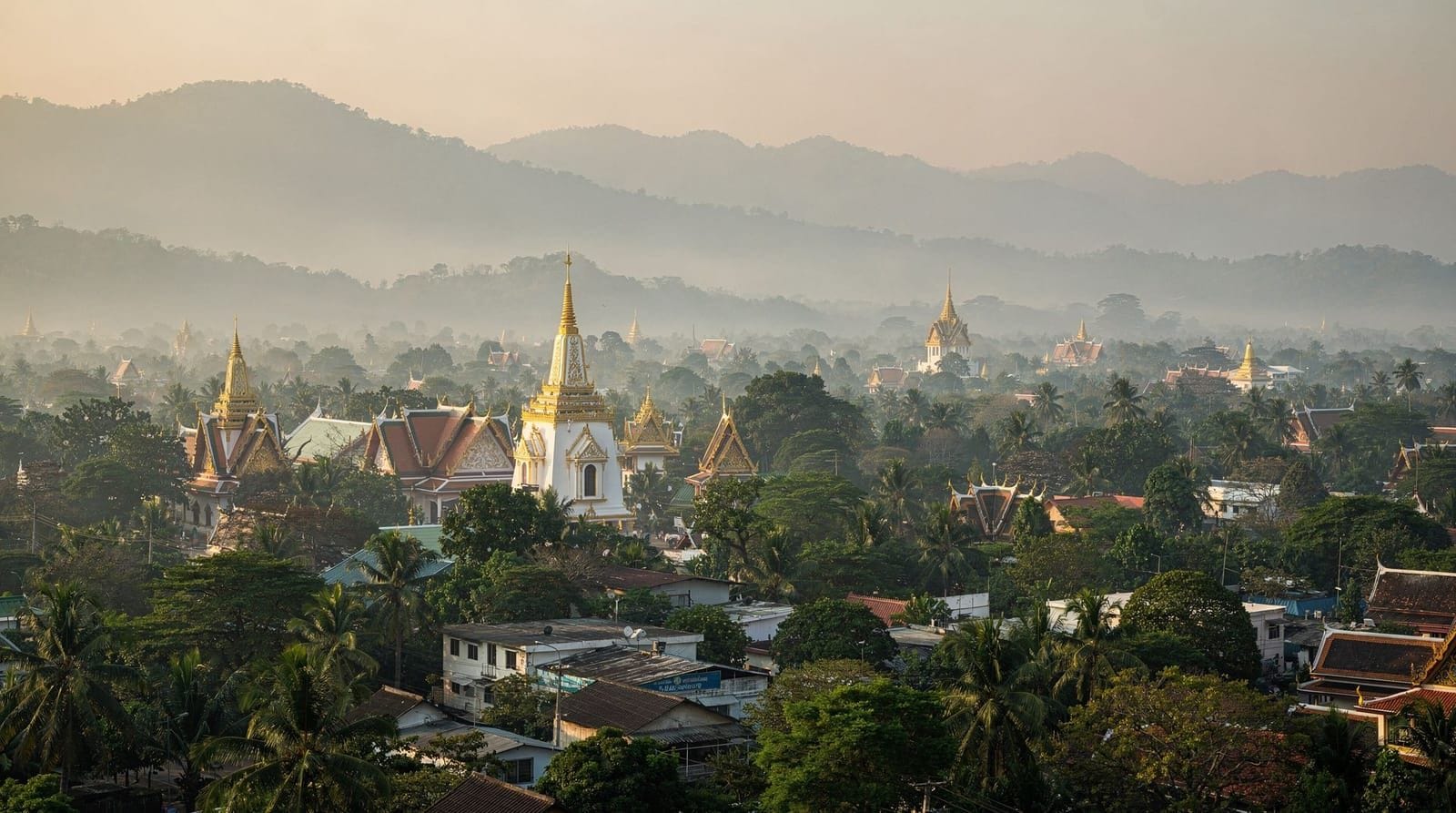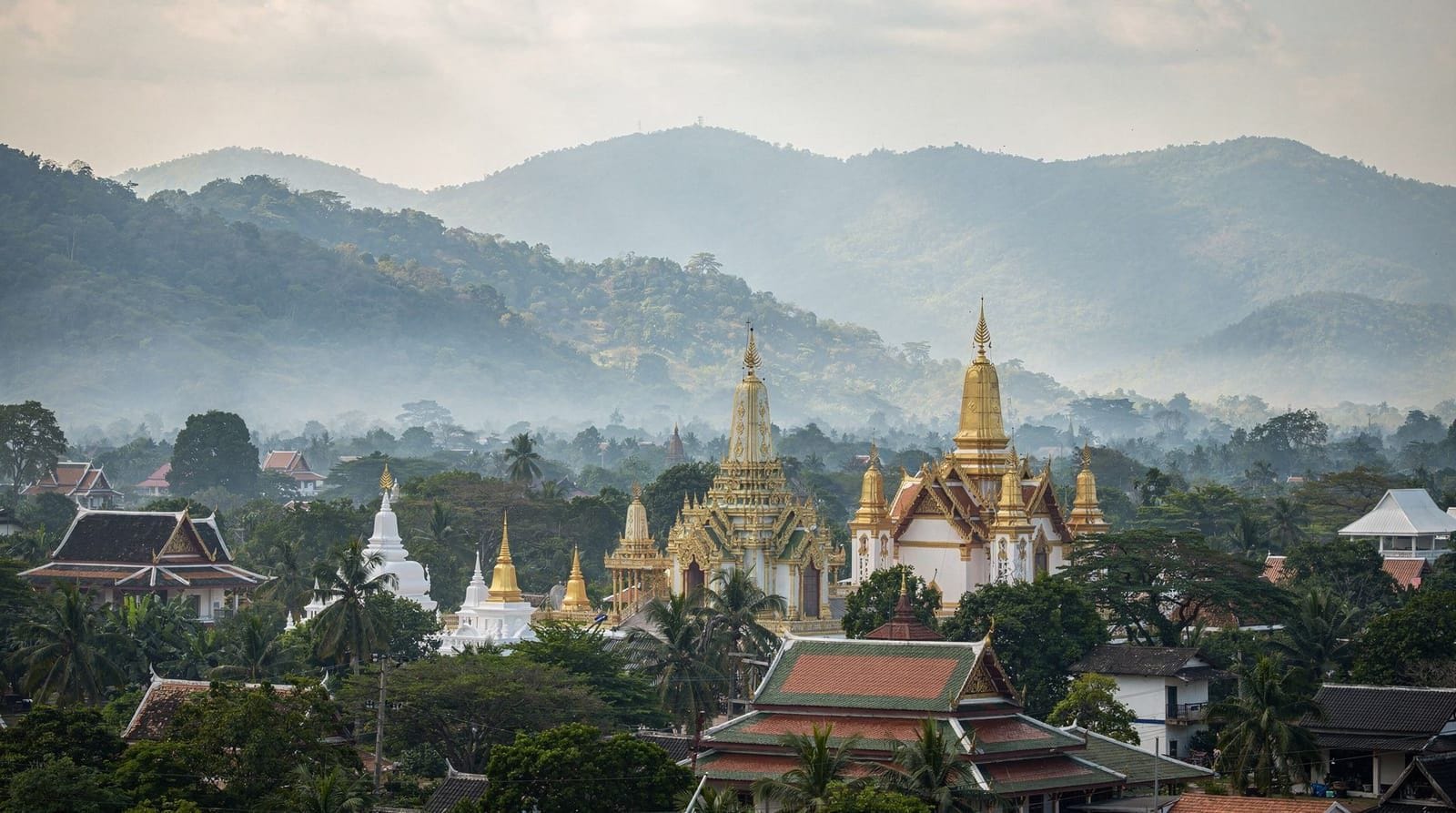
The best time to experience Chiang Mai, honestly ranked
Most “best time to visit” pieces for Chiang Mai hedge so hard they end up saying nothing — “it depends on your priorities,” full stop. Here’s the opinionated version: a ranked month-by-month take, based on actually experiencing the shoulder seasons most guides wave away, not just the obvious peak window everyone already recommends.
1st place: November
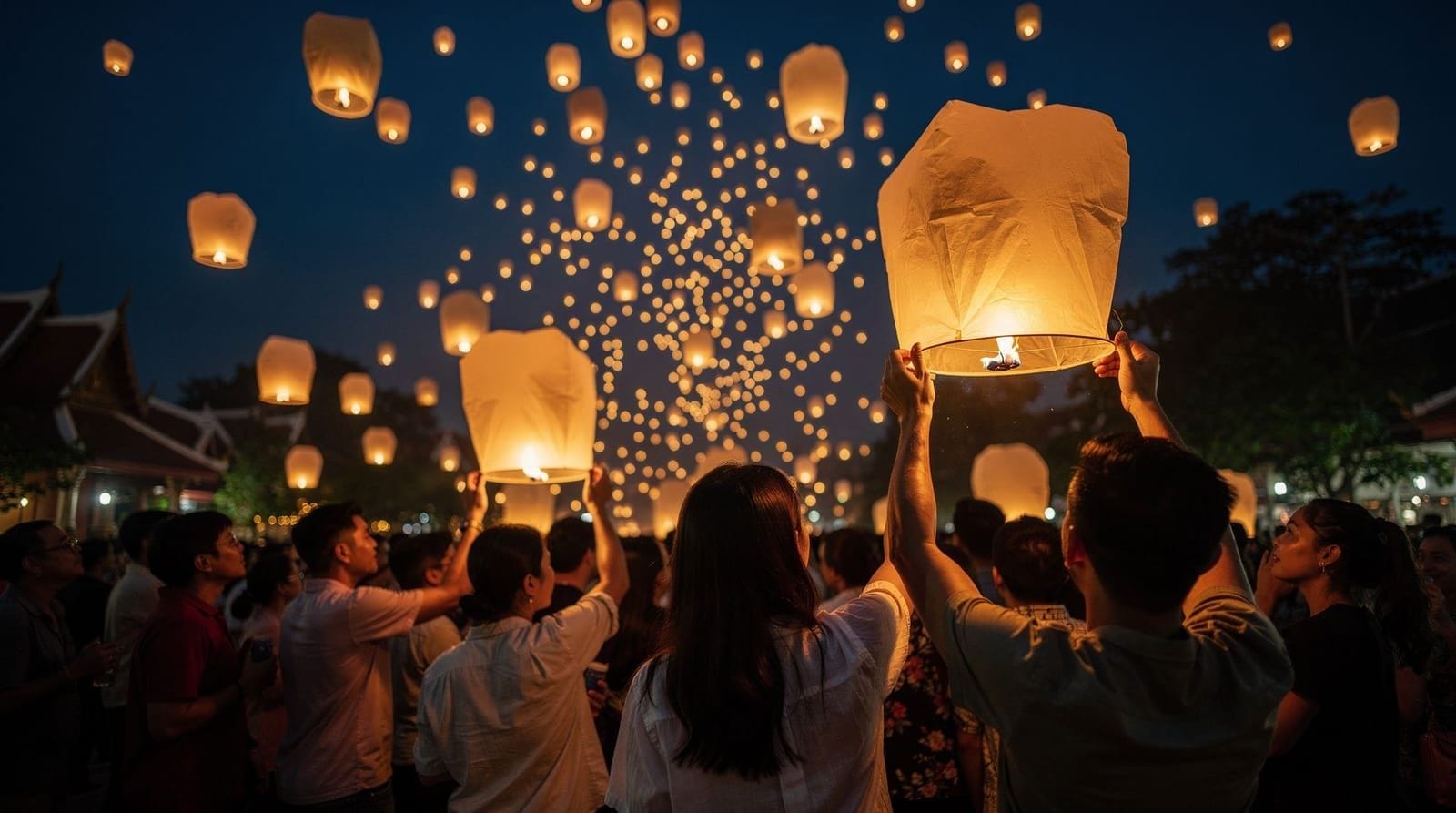
November is, in our honest opinion, the single best month to be in Chiang Mai, and it’s not particularly close. The rains have just ended, so the surrounding hills are at their greenest, the air is consistently clear since burning season hasn’t started, daytime temperatures sit in a genuinely comfortable range for walking and temple-hopping, and — the deciding factor for us — Yi Peng, the sky lantern festival, usually falls in November on the lunar calendar. Seeing thousands of lanterns lift off the same week the landscape is at its most vivid green is, without exaggeration, the best single travel experience we’ve had in Thailand. Our Yi Peng guide covers exact dates and how to actually attend rather than just see it from a distance, and it’s worth planning an entire trip around if your dates have any flexibility at all.
2nd place: December through early February
The core of the traditional “cool season” earns its reputation honestly — this is the clearest, driest, most comfortable stretch of the year, and the closest thing Chiang Mai has to guaranteed good weather for an entire trip. The trade-off is real crowds and correspondingly higher accommodation prices, since everyone else has read the same advice we’re giving here. Our cool season guide breaks down exactly what to expect week by week, and if you can manage early December or early February rather than the peak Christmas-to-New Year stretch specifically, you get most of the weather benefit with noticeably fewer crowds and better prices.
3rd place: late June through August
This is the ranking that surprises people, and it’s the whole reason we’re writing an opinionated piece rather than just repeating the standard November-to-February recommendation. Early rainy season delivers short, predictable afternoon downpours — usually an hour or two, often with genuine sunshine on either side — rather than the all-day washouts people assume “rainy season” means. In exchange, you get a dramatically greener landscape, meaningfully lower accommodation prices, and a level of crowding at major sites that’s a fraction of peak season. We stood at Doi Suthep on an August morning with maybe a tenth of the crowd we’d see there in January, and the views, once a passing shower cleared, were arguably better for the freshly rain-washed air. Our rainy season guide is honest about the real downsides — some trekking routes get genuinely difficult, and a handful of waterfall roads can be temporarily impassable — but for city-based sightseeing and temple visits specifically, this stretch is underrated.
4th place: September through mid-October
Late rainy season is where our ranking turns more cautious. Rain becomes less predictable and occasionally heavier for longer stretches, and a handful of routes into the mountains can be affected by more serious downpours than the earlier rainy months bring. It’s still a workable time to visit — prices remain low and crowds remain thin — but it requires more flexibility in your itinerary than any other stretch of the year, since a genuinely heavy multi-day rain system, while not the norm, is more of a possibility here than earlier in the season.
Last place: late February through April, burning season
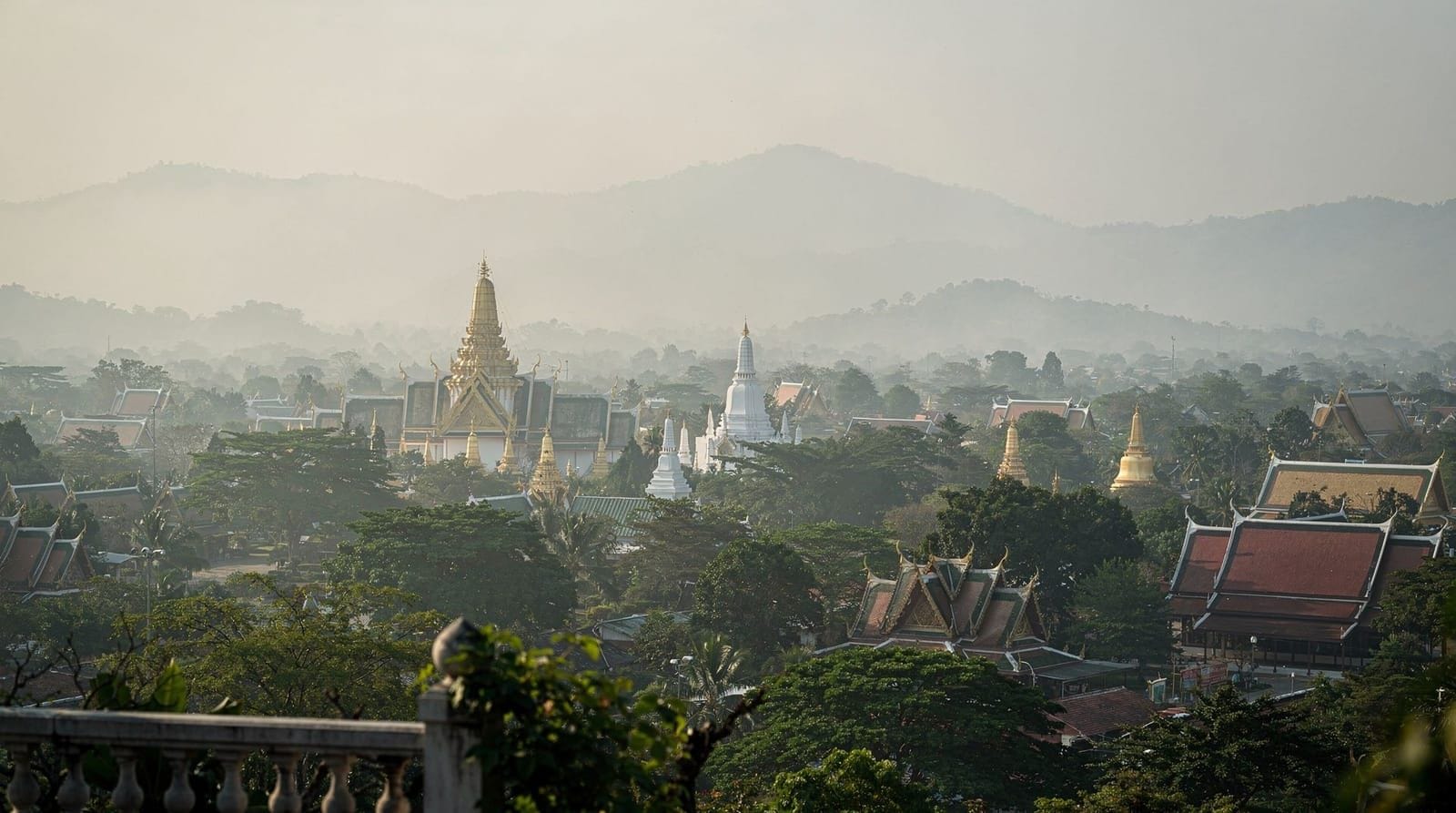
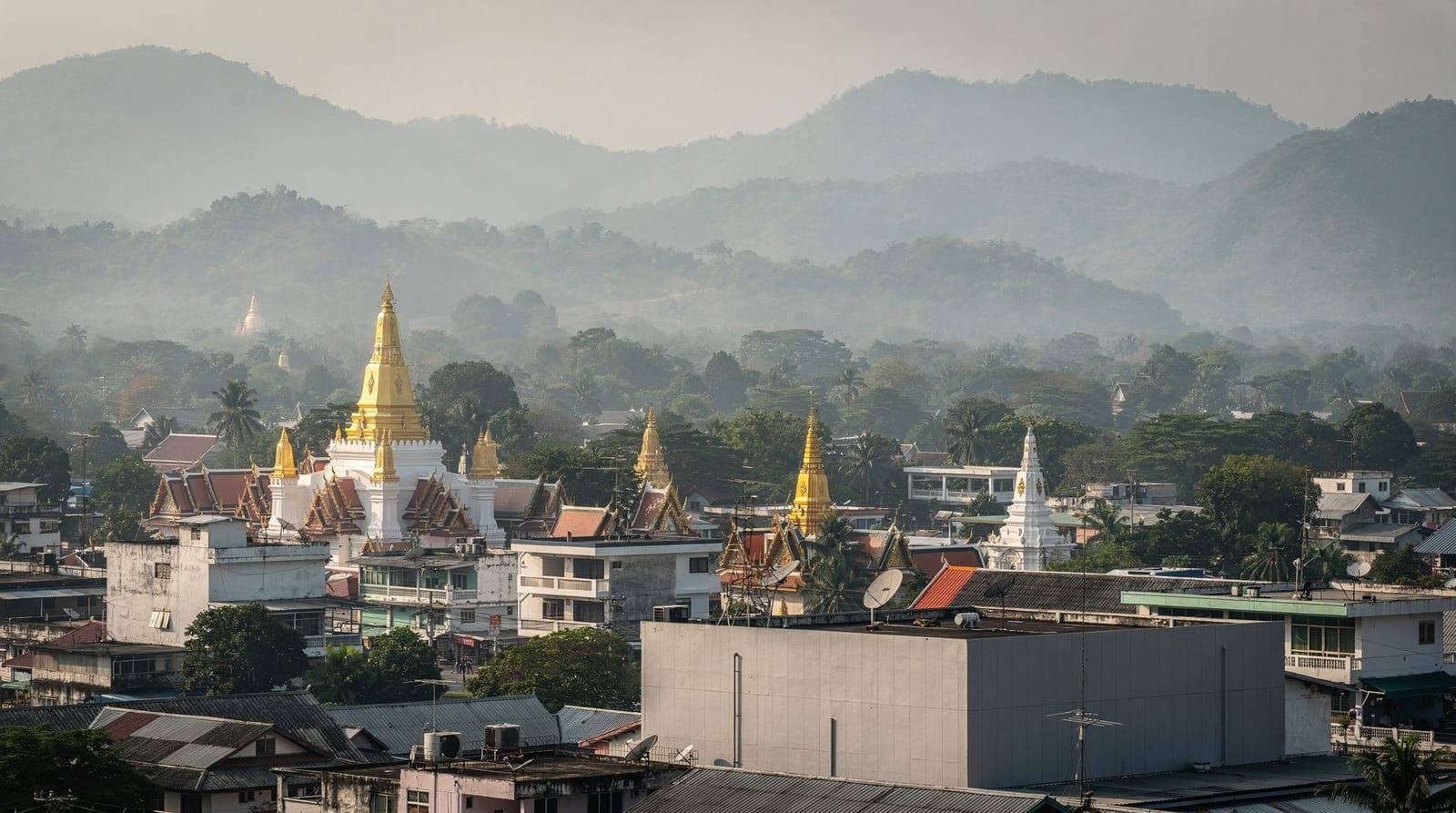
We’re not going to soften this one: burning season is the worst time to visit Chiang Mai on any honest ranking, and we say that having actually been there during it. Agricultural burning across the region pushes air quality into genuinely unhealthy territory on a meaningful number of days each year, views from Doi Suthep and other viewpoints can be reduced to a hazy smear, and outdoor activity — the whole point of a mountain-and-temple destination — becomes something to plan around rather than plan for. Our dedicated burning season guide lays out exactly which weeks tend to be worst and what limited mitigation exists (indoor days, air-quality-monitoring apps, timing outdoor activity around the clearer mornings). If your travel dates are flexible at all, we’d actively steer away from this window rather than treating it as an equal alternative to the rest of the year — it’s the one season where the standard advice to “just check the specific week” genuinely matters, since a bad smoke week can define an entire short trip.
The honest bottom line
If forced to pick one week of the year, we’d pick Yi Peng week in November, no hesitation. If we couldn’t hit that specific window, December or early February gets you nearly the same reliable weather with a bit more planning around crowds. And if budget or crowd-avoidance genuinely outweighs weather certainty for your trip, the underrated pick — late June through August — deserves far more consideration than the standard advice gives it. The only month range we’d actively avoid, dates permitting, is the burning season stretch from late February through April. Our full best time to visit guide and detailed month-by-month weather breakdown both back up this ranking with the underlying temperature, rainfall and air-quality data if you want the numbers behind the opinion.