Burning season in Chiang Mai: the truth nobody puts in the brochure
The first morning I stepped outside during burning season, I genuinely thought there was a fire nearby — the smell hit before anything visual did, a sharp, acrid smokiness that didn’t fade over the following weeks so much as become the background note of everything. This piece exists because too much online content about Chiang Mai either ignores burning season entirely or treats it as a minor caveat buried at the bottom of a “best time to visit” list. It deserves a full, honest account, not a footnote.
What burning season actually is
Every year, roughly February through April, farmers across northern Thailand, Myanmar, and Laos burn agricultural waste and forest undergrowth ahead of the planting season — a practice with deep roots in traditional land management that’s collided with modern-day population density and worsening drought conditions to produce something genuinely serious: weeks of smoke haze trapped by the mountainous terrain surrounding Chiang Mai, which sits in a valley basin that traps particulate matter rather than letting it disperse. It’s worth being precise here because it’s a completely different phenomenon from the rainy season we’ve written about separately — burning season is dry, hazy, and runs roughly February through April, while rainy season is wet and runs June through October. Confusing the two is an easy mistake that leads to poor trip timing.
Our dedicated burning season guide covers the mechanics and typical timing in more depth, but the number that matters most practically is the AQI reading — air quality index — which during the worst weeks of burning season regularly climbed past 150, occasionally spiking above 200 on the days we tracked it, categorized as “unhealthy” and “very unhealthy” respectively on the standard scale. For comparison, a genuinely clear day in cool season typically reads under 50.
What it actually feels like
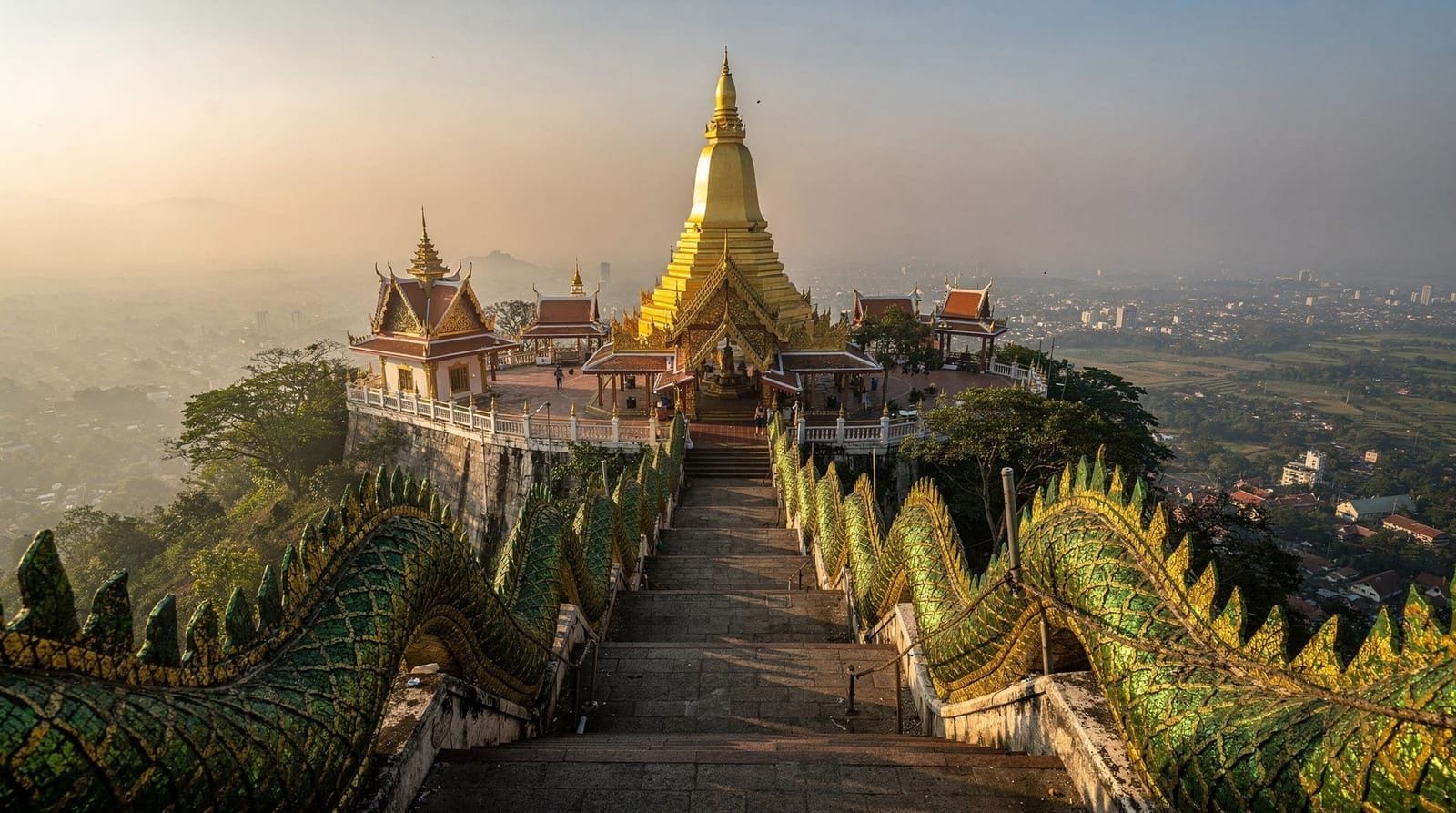
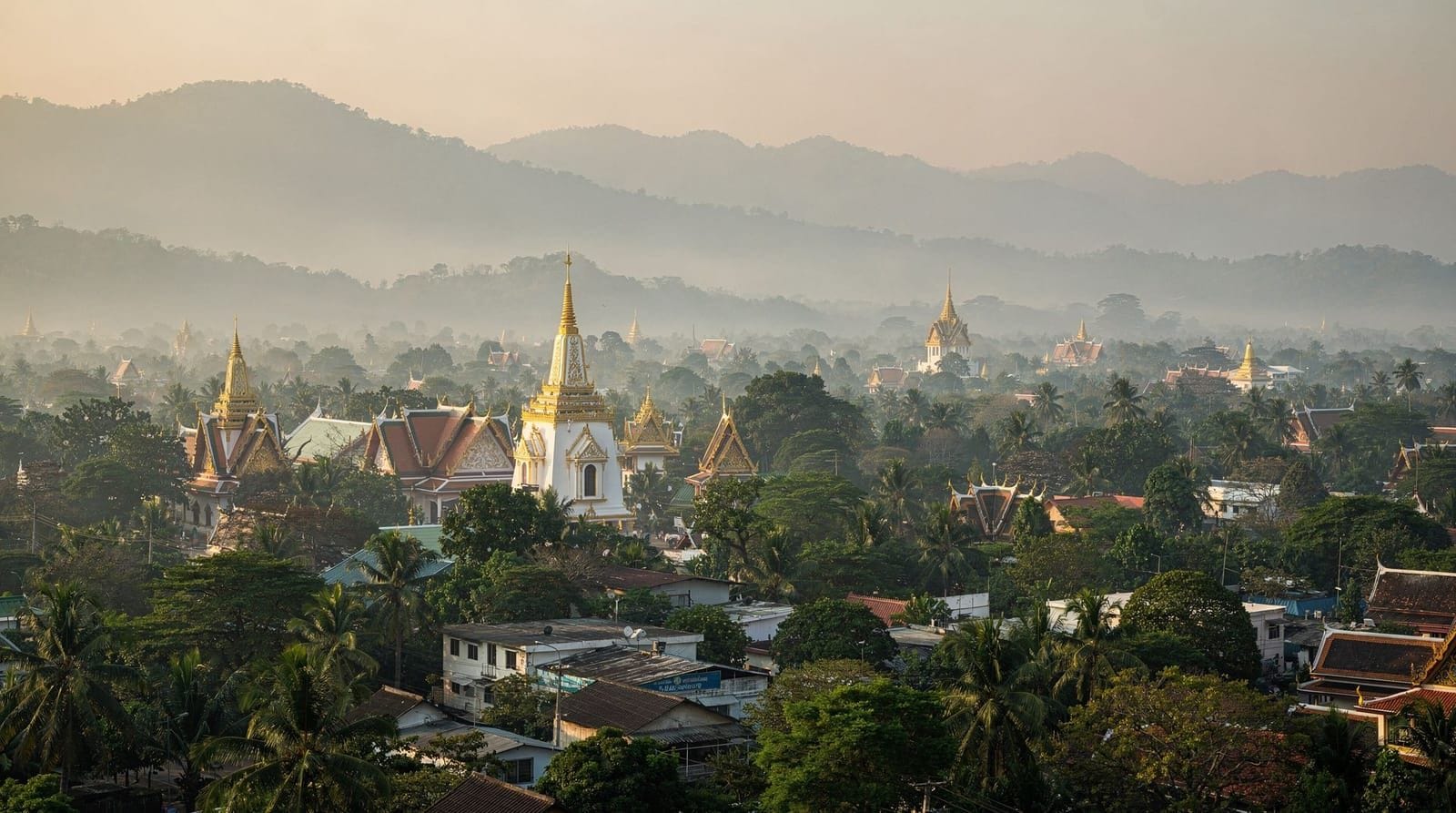
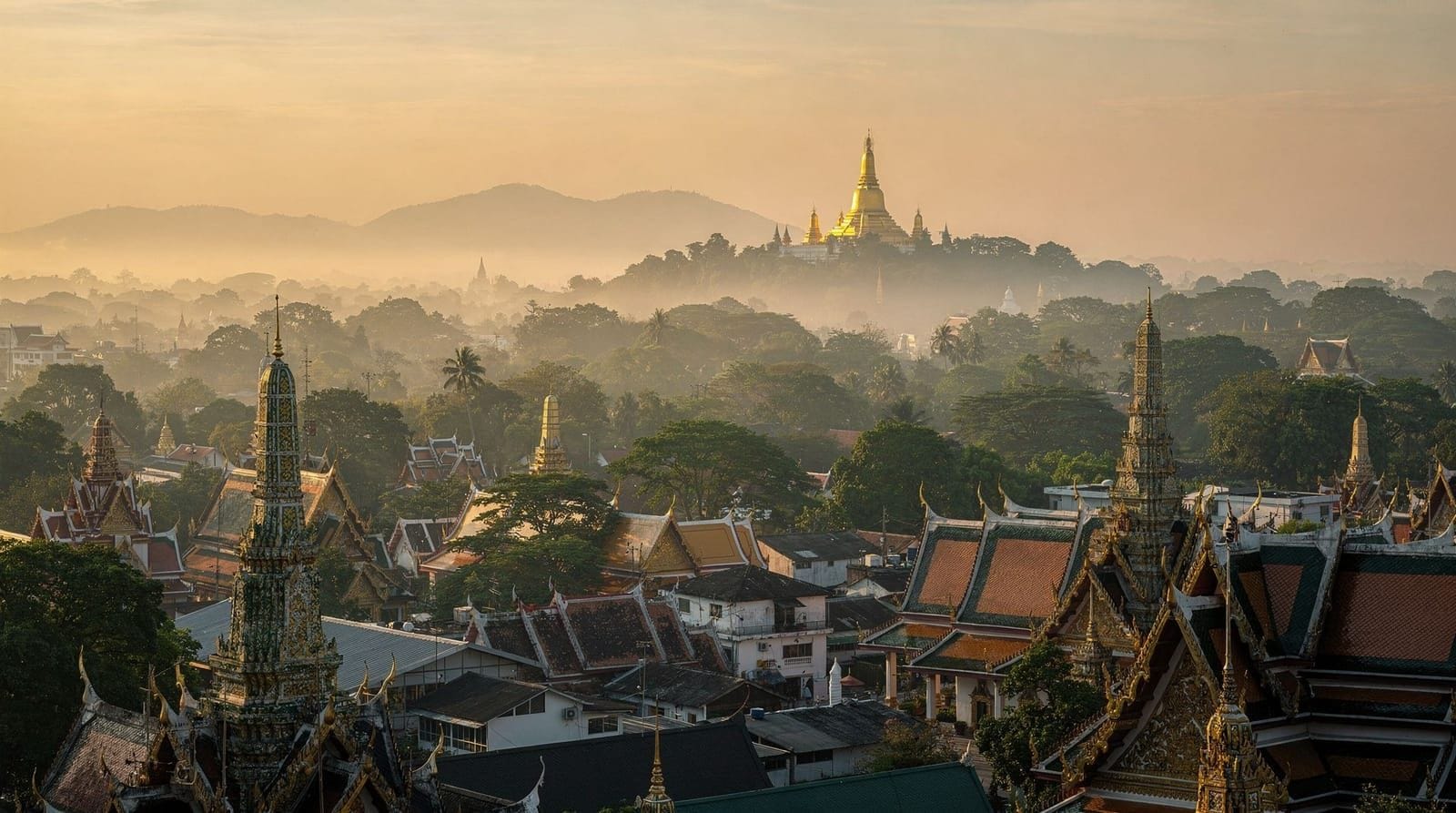
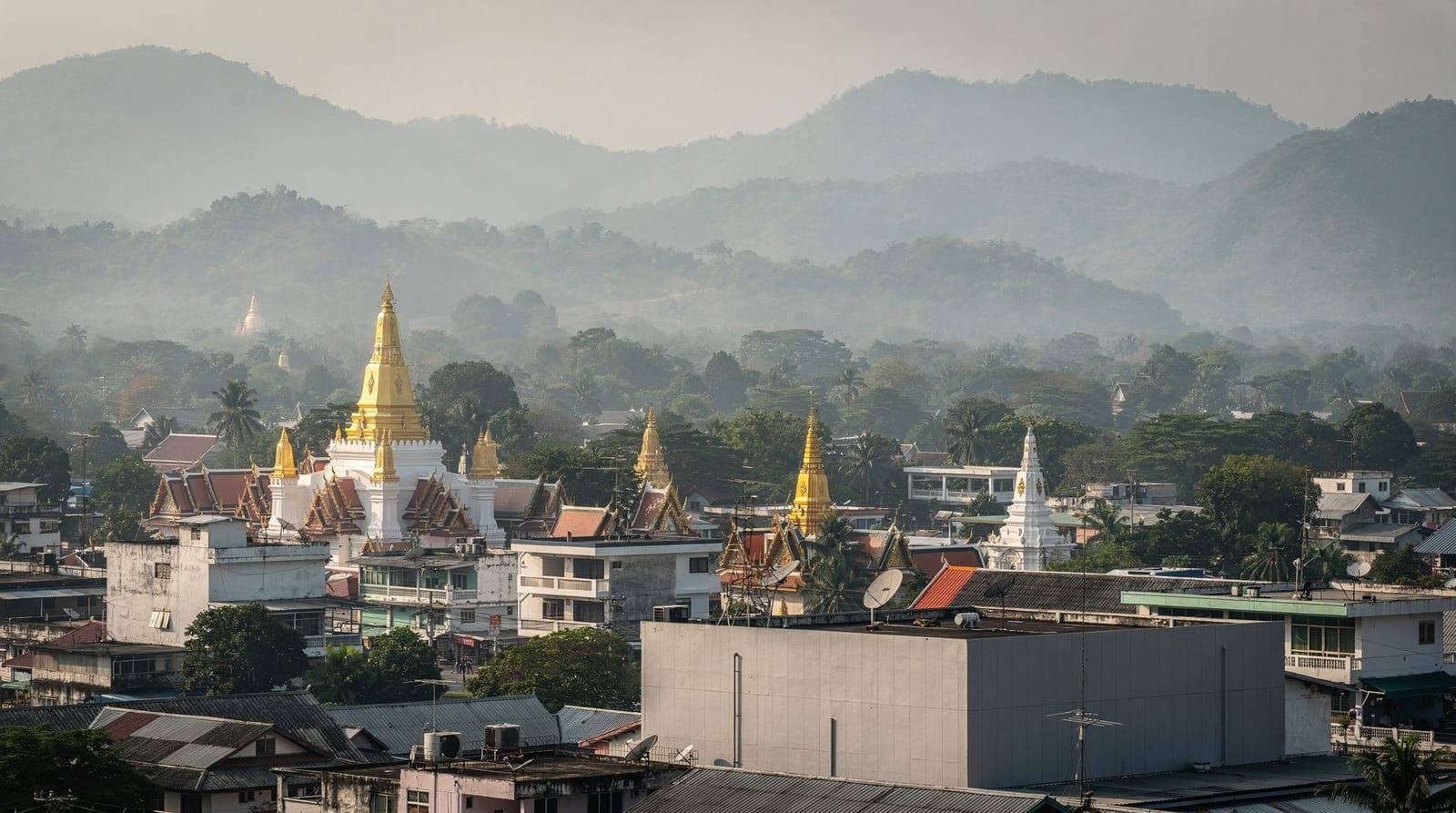
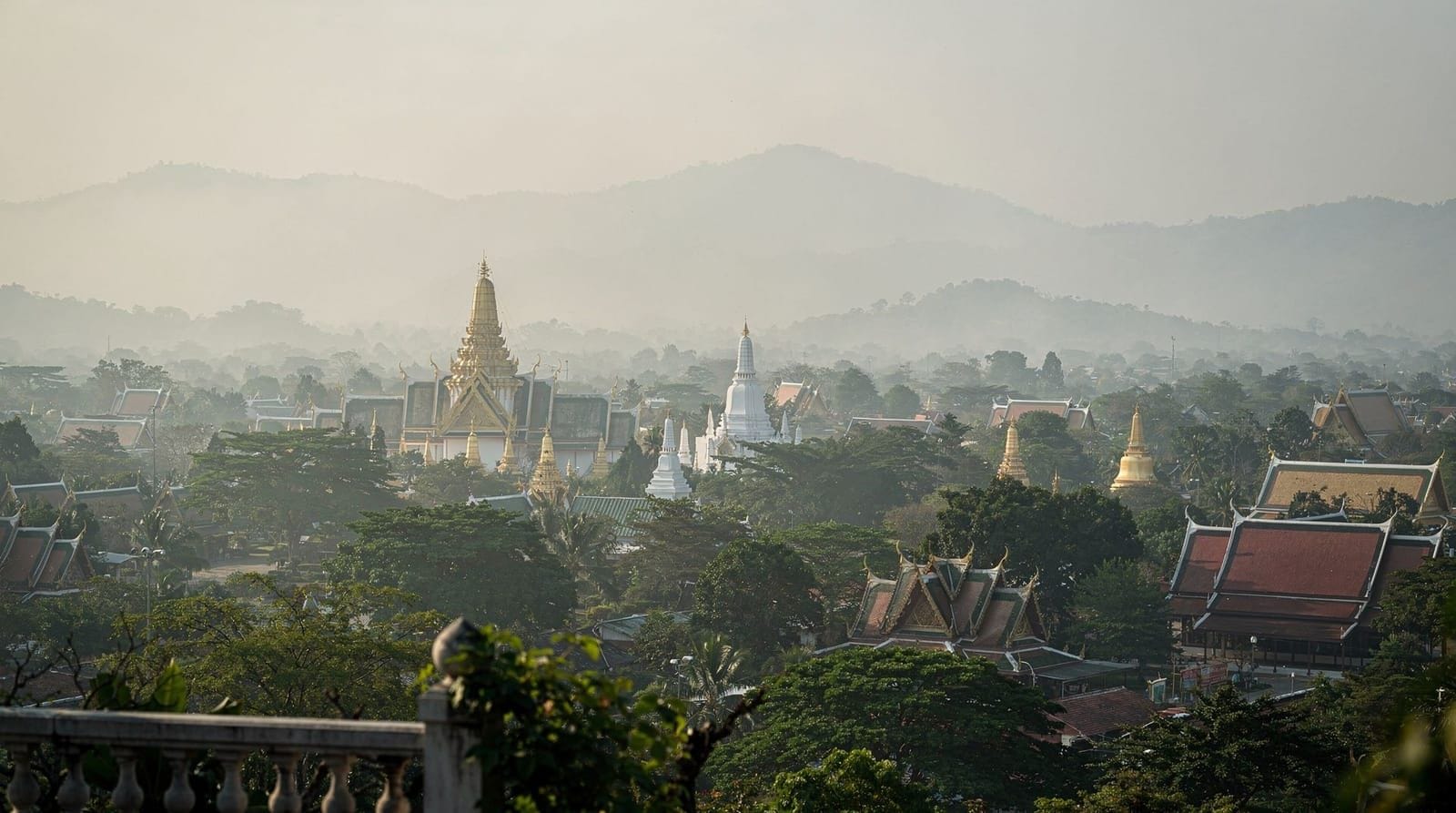
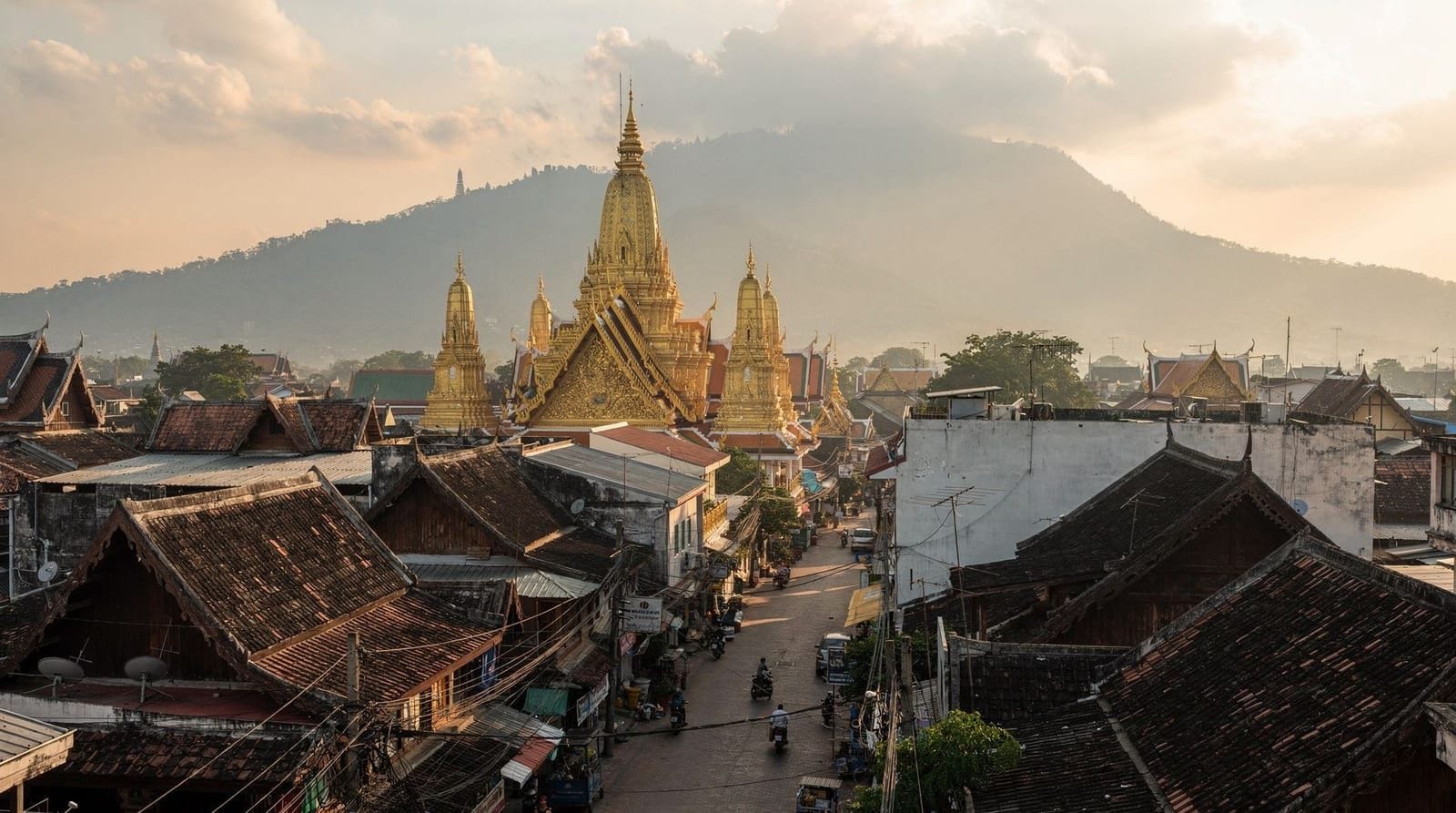
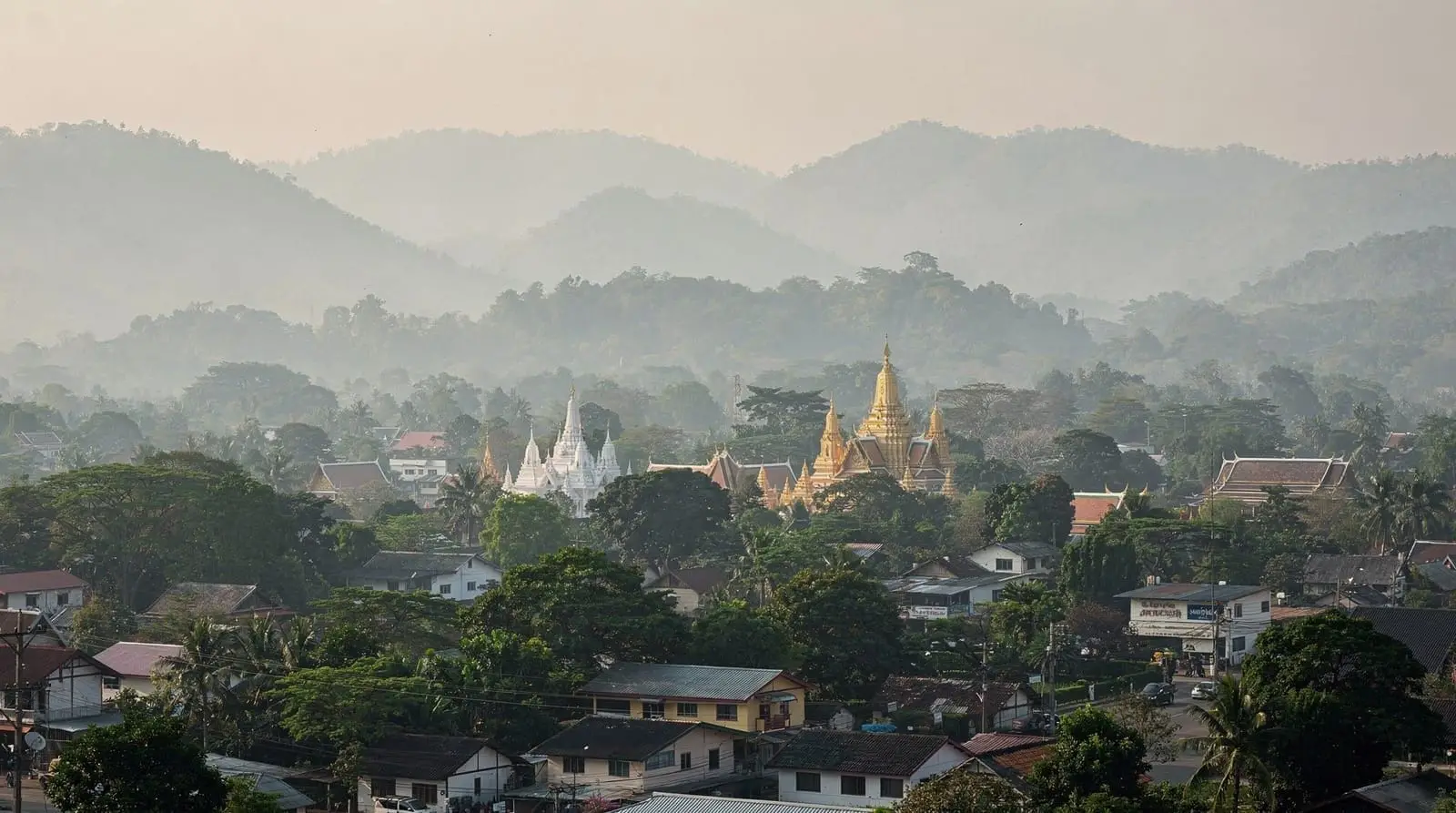
The mountain views essentially disappeared. Doi Suthep, visible from much of the city on a clear day as a green ridge rising above the skyline, was reduced to a grey suggestion, sometimes barely visible at all by mid-afternoon. Photos taken during our visit look washed out and flat regardless of camera settings — the haze doesn’t just reduce visibility, it changes the color of the light itself, giving everything a slightly sepia, filtered quality that no amount of editing fully corrects.
Physically, it was noticeable within days. A mild scratchiness in the throat, more frequent coughing among people we met who’d been in the city for weeks rather than days, and a general low-grade fatigue that several long-term expat residents told us was a predictable seasonal pattern for them — some described essentially planning their yearly travel around leaving the city entirely during the worst weeks. That’s not hyperbole or a worst-case anecdote; it’s a genuinely common local coping strategy, and hearing it repeated by multiple people independently was more convincing than any single statistic.
Tracking it day by day
We started checking a real-time air quality app within the first few days, something neither of us had ever felt the need to do while traveling before, and it became a genuine daily ritual — checking the AQI number the way you might check rain forecast elsewhere. What we noticed was real variability rather than one uniform bad stretch: some mornings read a relatively tolerable 90-110, breathable if not ideal, while others spiked past 180 by midday and stayed there through the evening. Wind direction and whether nearby provinces were having an active burning day both seemed to matter more than any single local factor, which made the whole thing feel less predictable and more like tracking a slow-moving weather system than a fixed seasonal constant.
That unpredictability cuts both ways for trip planning. It means a burning-season visit isn’t necessarily uniformly bad for its full ten-to-twelve-week window — we had four or five genuinely decent-air mornings scattered through our stay, each one making the mountain views briefly reappear before the haze crept back in in over the following days. But it also means you can’t reliably plan around a “good week” in advance the way you might with a rainy season forecast; the improvement, when it came, was often only visible a day or two ahead.
Talking to people who live with it every year
The conversations that shaped our thinking most weren’t with other travelers but with long-term residents, several of whom had strong, clearly rehearsed opinions on the subject from having lived through it repeatedly. One café owner near the Old City told us bluntly that she’d stopped scheduling anything outdoors for clients during February and March entirely, building her whole business calendar around the assumption that this stretch would be compromised. A tour guide we spoke with put it more starkly: he described watching visitors arrive expecting the postcard mountain backdrop and having to manage disappointment as a routine, recurring part of his job during these months, a task he clearly found more draining than the smoke itself.
That perspective — from people who don’t get to simply leave when the haze gets bad — reframed the whole situation for us. What’s a notable inconvenience for a two-week visitor is a genuine, recurring seasonal hardship for people who live here year-round, and it’s worth holding both of those realities at once rather than only thinking about how it affects a single trip.
Should you cancel your trip
Not necessarily, but you should go in informed rather than surprised, and you should build flexibility into your plans. A few honest, practical notes from having lived through it: N95 or KN95 masks became a normal daily item for us, not just performative caution — cheap, widely available in convenience stores, and genuinely reduced the throat irritation on the worst days. We shifted outdoor activity earlier in the morning when haze was often marginally better before afternoon inversion layers thickened it further, and we built in more indoor time — museums, cooking classes, spas — than we would have during a clear-season visit. Our rainy day activities guide, despite the name, doubles as a decent indoor-alternative list for hazy days too.
If your trip’s central purpose is mountain views, outdoor trekking, or clear-sky photography, burning season is genuinely the wrong window, and no amount of positive framing changes that. Reschedule if you can, toward the cool season months of November through January, which our best time to visit guide and month-by-month weather breakdown both identify as the clearest and most reliably pleasant stretch of the year.
What still worked, even in the haze
Not everything suffered equally. Indoor temple visits, markets, cooking classes, and the food scene were entirely unaffected by air quality in any meaningful way — some of our best meals and most memorable cultural experiences happened during exactly this window, simply reframed around activities where clear skies weren’t the point. We came away thinking the sweeping “is Chiang Mai overrated” question some travelers ask, which we’ve addressed honestly in a separate piece, often has burning-season disappointment baked into it without the traveler realizing the timing, not the destination, was the actual problem.
The flights and hotel rates that almost talked us into it anyway
It has to be said plainly: burning season coincides with genuinely appealing flight and accommodation pricing in some years, sitting in an awkward shoulder position between the cool-season peak and the rainy-season low, and that pricing dynamic is exactly why so many visitors end up there without fully understanding what they’re booking into. We nearly convinced ourselves the savings justified the risk before actually researching the air quality data properly, and I suspect a good number of visitors who post disappointed reviews about hazy, view-less Chiang Mai trips fell into that same pattern — chasing a good flight deal without connecting it to the specific weeks on the calendar.
If budget is the main driver pulling you toward these dates, it’s worth at least comparing the savings against a slightly later cool-season booking, since the price gap often narrows more than expected once the full trip cost, masks, and potential rescheduled activities are factored in. We didn’t do that comparison carefully enough beforehand, and in hindsight, a two-week shift into late January would have cost only marginally more for a considerably clearer set of skies.
The honest bottom line
We don’t regret the trip, but we would plan the next one differently — either avoiding February through April entirely, or going in with masks packed, expectations adjusted, and an itinerary weighted toward indoor and cultural experiences rather than mountain views and trekking. What frustrated me most wasn’t the haze itself so much as how rarely it gets mentioned clearly before travelers arrive and are caught off guard, standing on a rooftop bar at golden hour looking for a sunset that the smoke has simply erased.
If there’s one takeaway worth repeating beyond all the specific numbers and coping strategies, it’s simply this: ask about the calendar before you ask about the itinerary. Every other seasonal consideration in Chiang Mai — festival timing, waterfall volume, temple crowd levels — is a matter of preference and trade-off. Burning season is the one exception where the honest answer, for anyone whose trip depends on clear mountain views, is to simply pick different dates if the calendar allows it.