Chiang Mai on a budget: what it actually costs
We tracked every single baht for seven straight days to answer a question that most “cheap Thailand” articles answer with outdated round numbers: what does a genuinely frugal week in Chiang Mai actually cost in 2026, not a decade ago? Here’s the real ledger, receipts and all.
The week in numbers
Total spend for seven days, one person, everything included: 8,940 THB, or about USD 248. That works out to roughly 1,277 THB (USD 35.50) per day — comfortably above the absolute floor, since we did add a couple of paid activities, but well below what a mid-range trip would run. Here’s how it broke down by category.
Accommodation: 2,800 THB (USD 78) for the week
We stayed in a private fan room with shared bathroom at a family-run guesthouse a short walk from the Old City walls, at 400 THB (about USD 11) a night. A dorm bed would have brought the whole week down further — 250-300 THB a night is typical for a clean, well-reviewed hostel dorm in the same area — but we wanted a private room for this trip and still landed well under what a comparable room costs almost anywhere outside Southeast Asia.
Food: 2,240 THB (USD 62) for the week, about 320 THB (USD 8.90) a day
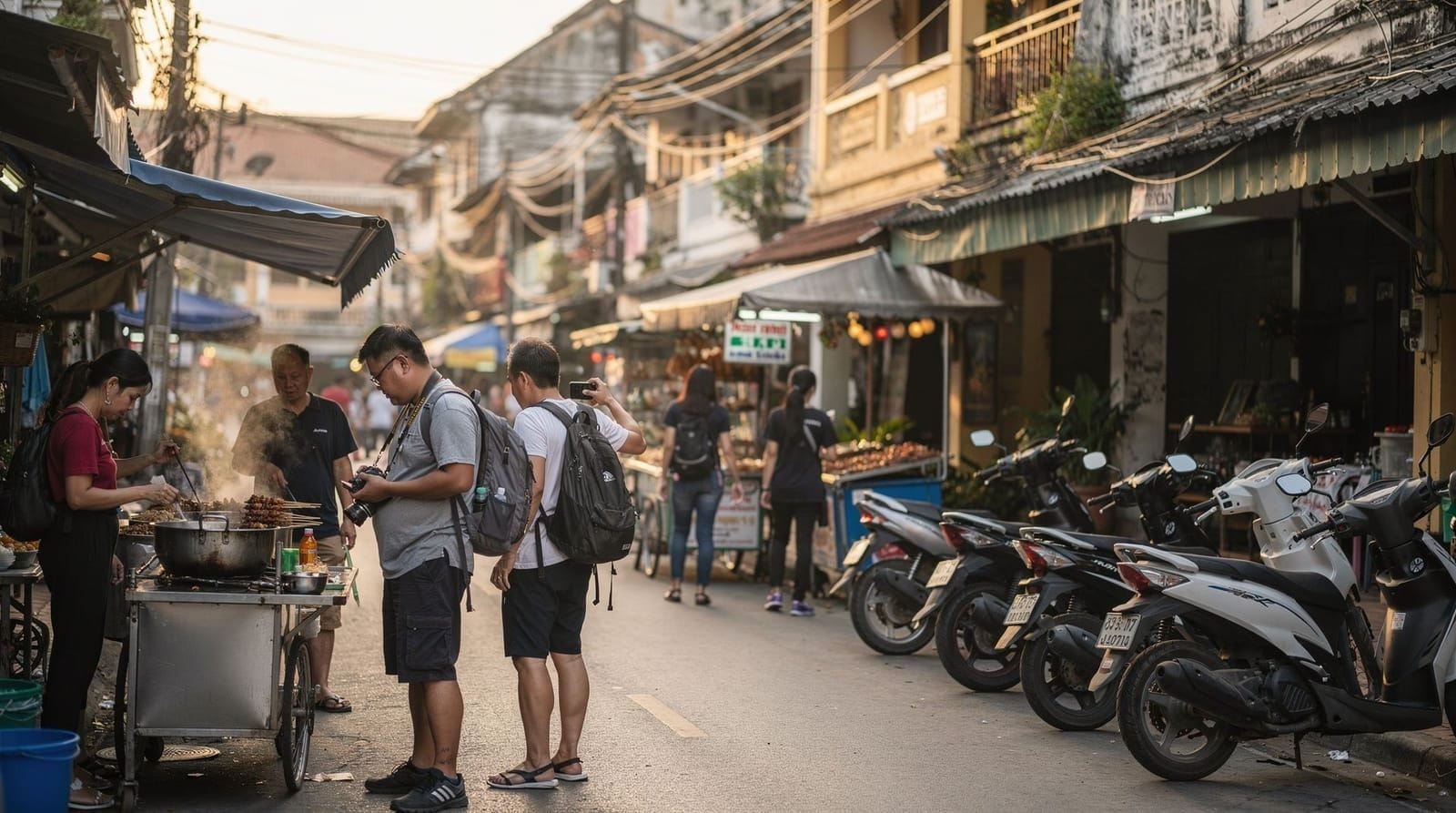
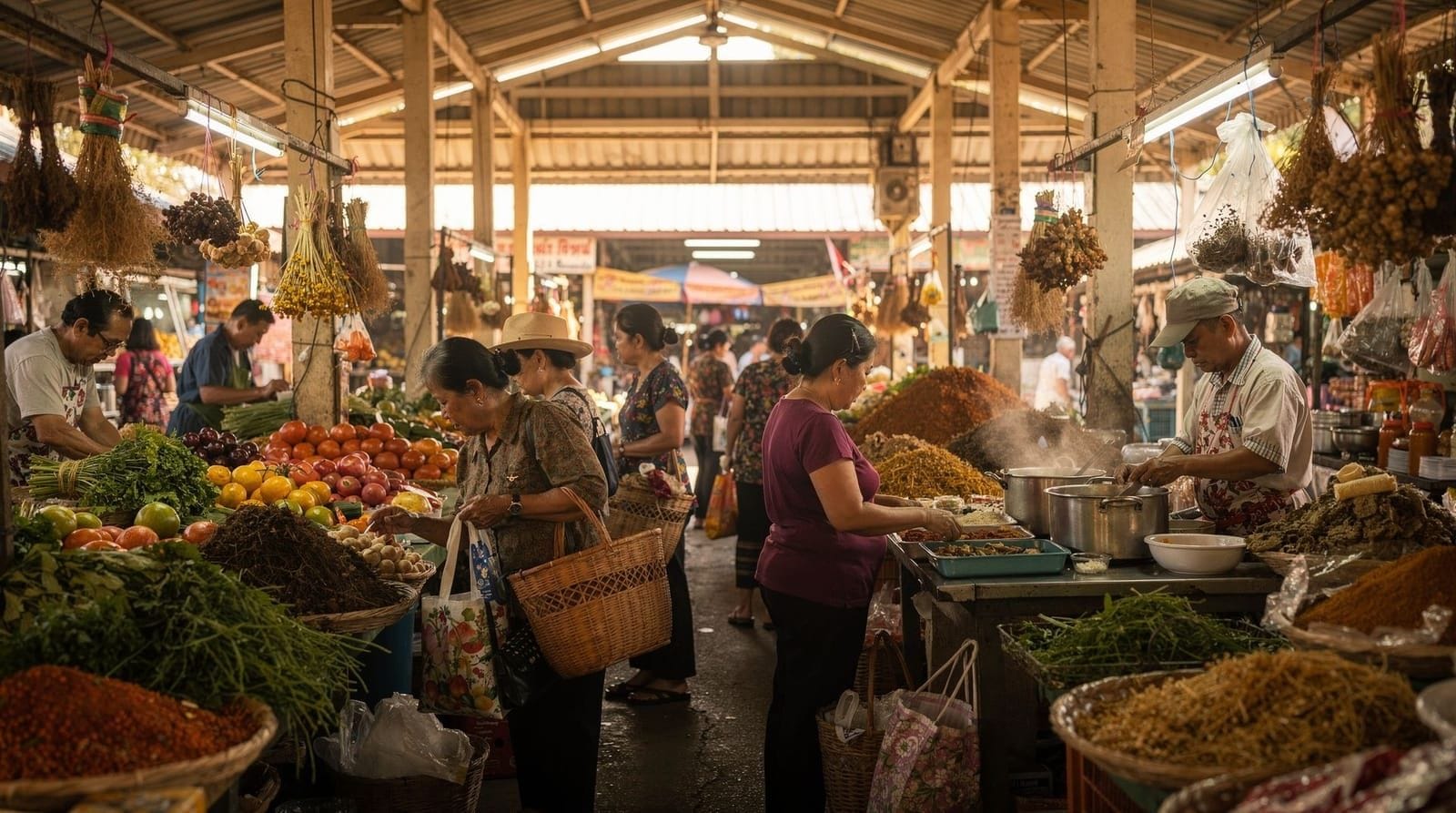
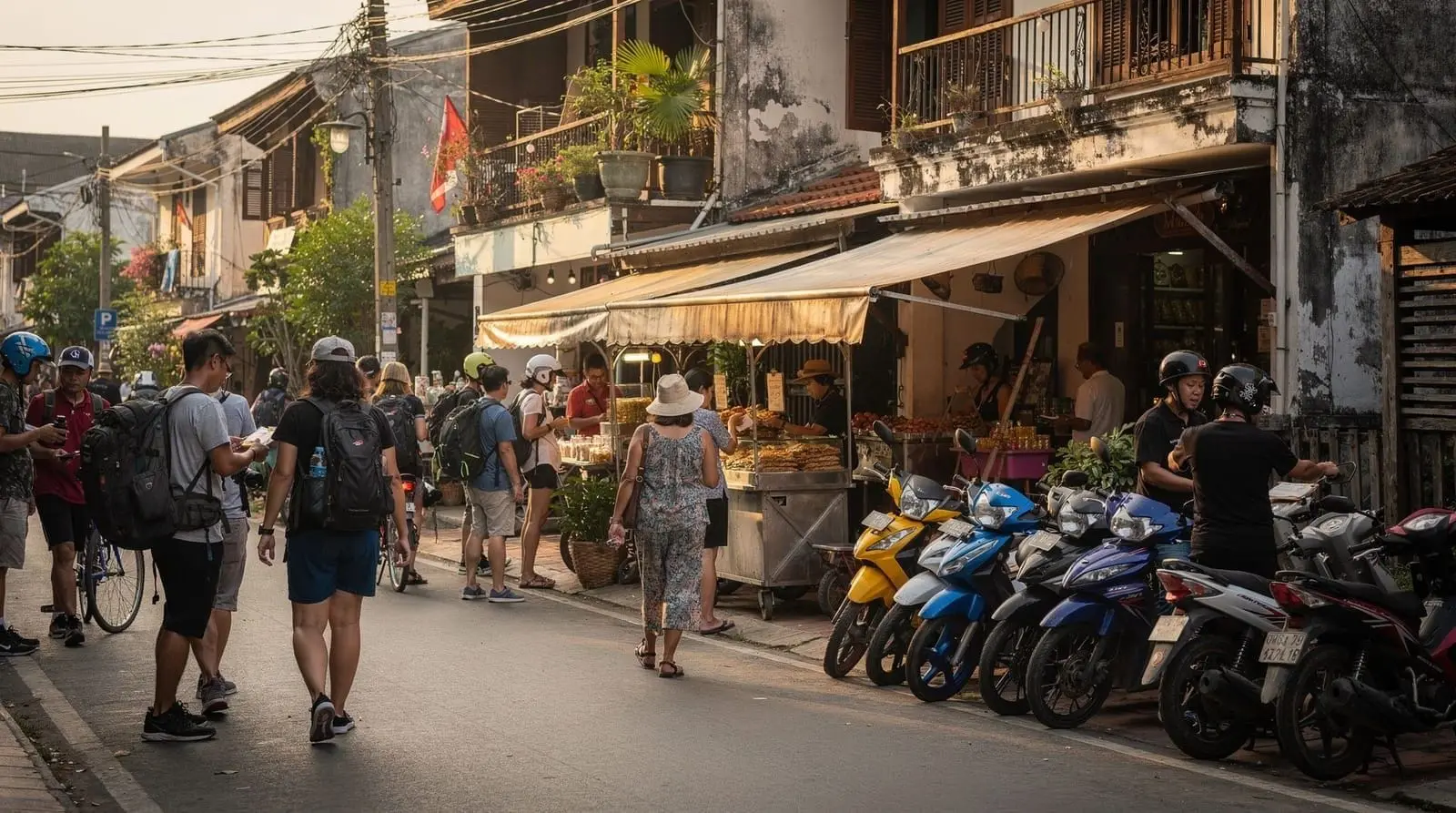
This is where Chiang Mai genuinely earns its budget-friendly reputation. Breakfast most mornings was a 30-40 THB market pastry or rice porridge. Lunch was almost always street food or a market stall — khao soi, pad see ew, som tam — running 40-70 THB per meal. Dinners were the biggest daily line item at 100-180 THB, split between night market stalls and one or two simple sit-down restaurants. Warorot Market alone accounted for a memorable, cheap breakfast-and-lunch combo on two separate days, and we never felt like we were sacrificing quality for the low prices — if anything, the cheapest meals of the week were consistently among the best.
Transport: 1,050 THB (USD 29) for the week
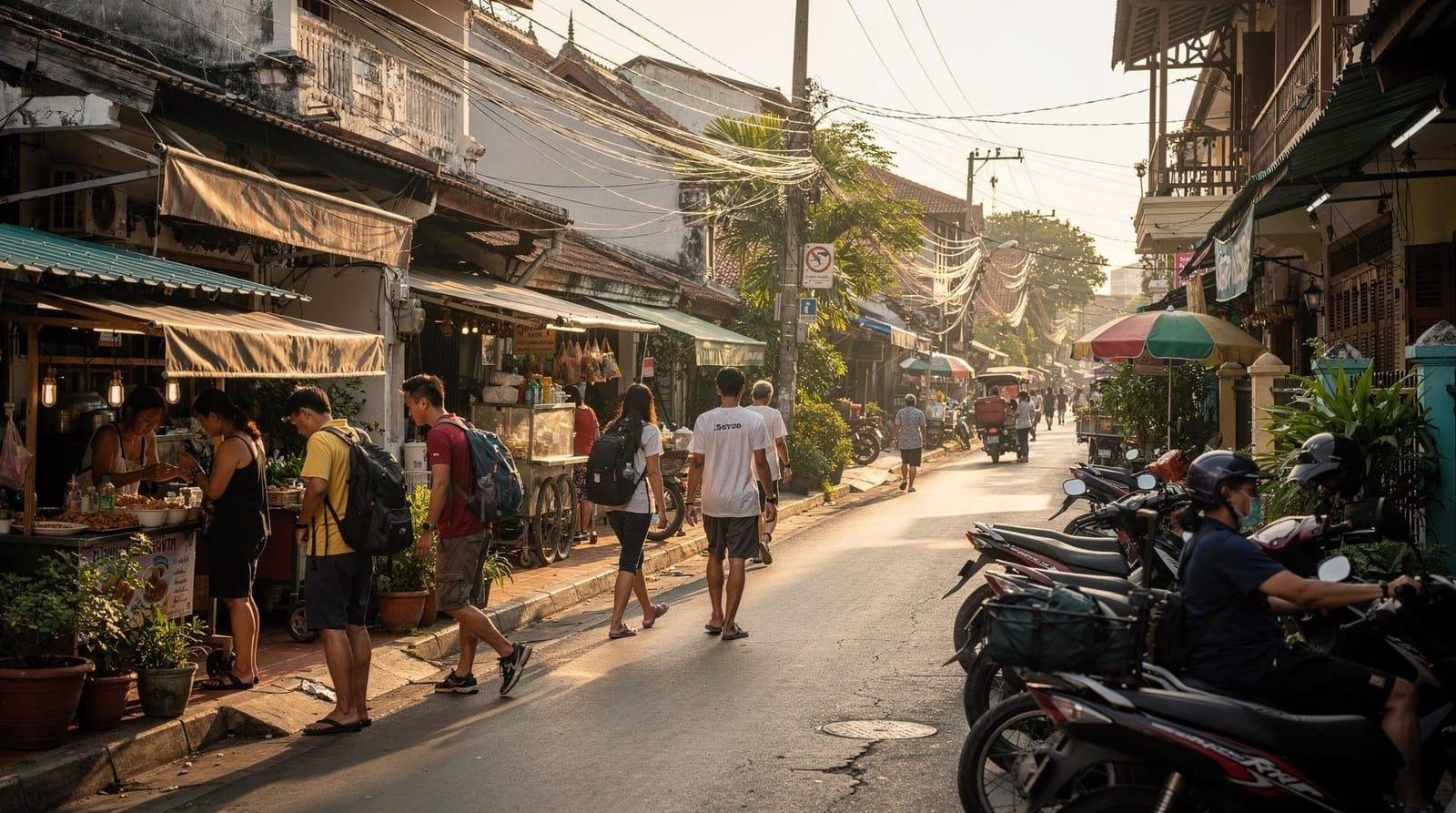
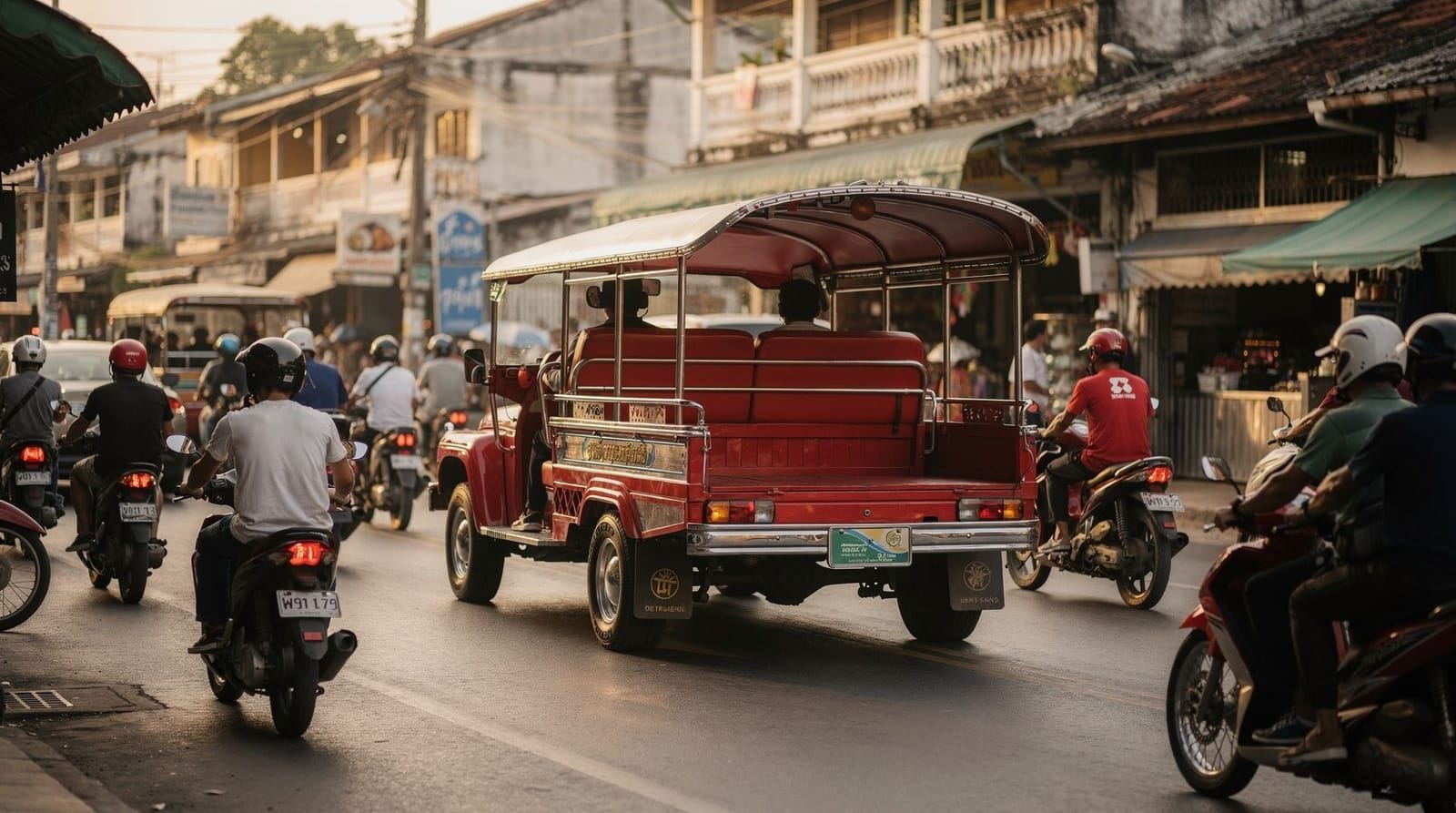
Songthaews — the shared red trucks — run a flat 30-40 THB per ride regardless of distance within the city, and we used them most days for anything beyond a 15-minute walk. A handful of Grab rides for late-evening or longer cross-town trips ran 60-120 THB each. We didn’t rent a scooter this trip, which kept transport costs lower but meant we relied on organized transport for anything outside city limits — a trade-off worth weighing against your own comfort with Chiang Mai traffic and your home country’s driving license validity here. Our getting around guide covers every option in more detail, including the scooter question.
Activities: 2,850 THB (USD 79) for the week
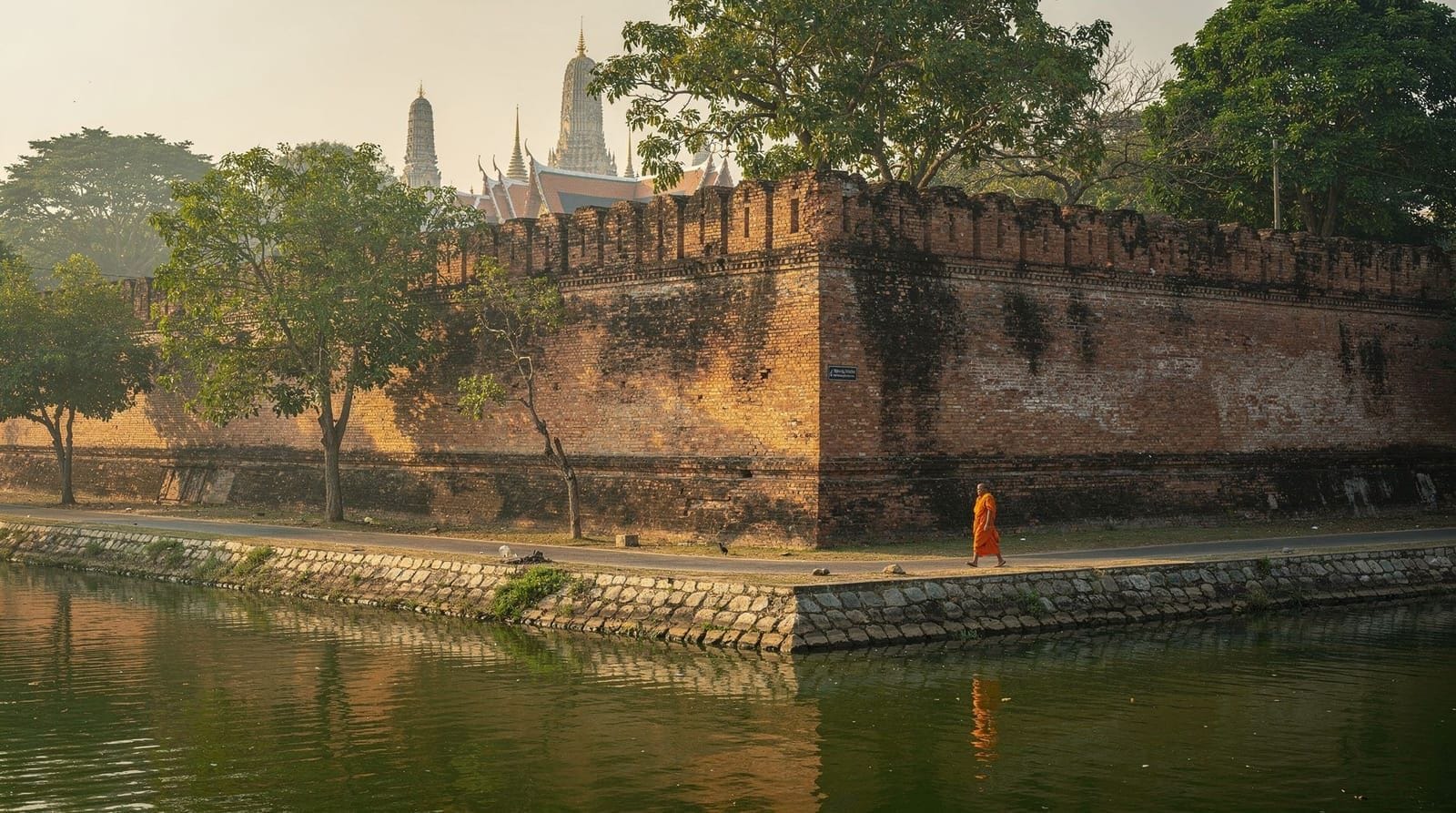
This is the one category where a truly rock-bottom budget and ours diverged, deliberately. We spent one full day doing entirely free things — walking the Old City temples (donation-only entry at most), wandering the moat path at sunset, browsing a free evening at Sunday Walking Street — and our free things to do guide has a longer list of these if a zero-cost day appeals. But we also booked one half-day activity mid-week at 2,100 THB (about USD 58), plus a handful of smaller temple donations and a modest 750 THB spent across the week on minor extras (a market souvenir, a couple of temple entry fees at the pricier sites). A genuinely rock-bottom week could cut this category to near zero and land the whole week under 6,500 THB — but we think one paid activity is worth budgeting for even on a tight trip.
Where the money actually went, in order
Accommodation and activities were the two real variables; food and transport stayed remarkably consistent day to day regardless of what else was happening. If you’re planning your own frugal week, the two levers worth pulling are a dorm bed instead of a private room (saves roughly 100-150 THB a night) and choosing one or two paid activities deliberately rather than several — the free and near-free options in this city are genuinely good enough that cutting activities doesn’t feel like a sacrifice the way it might elsewhere.
Money logistics that affected the numbers
We withdrew cash twice across the week rather than daily, specifically to minimize the flat per-withdrawal ATM fee charged to foreign cards — our money and ATM guide explains the exact fee structure and why fewer, larger withdrawals save real money over a trip this length. Cards covered almost nothing this particular week, since a genuinely frugal itinerary here runs almost entirely through cash-only markets and street stalls.
How this compares to the standard guides
Our own broader budget guide puts a backpacker daily rate at roughly 800-1,200 THB, and our actual week came in a bit above that range specifically because of the one paid activity — a fair trade in our view, and evidence that the published ranges hold up in practice rather than being optimistic marketing numbers. If you’re planning your own trip and want a category-by-category breakdown across backpacker, mid-range and luxury tiers rather than one specific week’s receipts, that guide is the more complete reference; this piece is the real-world spot-check that confirms the numbers are honest.