Rock climbing near Chiang Mai: Crazy Horse Buttress and other spots
Climb Sticky Waterfall Like Spiderman from Chiang Mai City
Where do you go rock climbing near Chiang Mai?
Crazy Horse Buttress in the Mae On district, about an hour east of the city, is the main climbing destination — a limestone crag with over 200 bolted routes spanning beginner top-rope climbs to serious multi-pitch routes. A smaller cliff at San Kamphaeng offers a closer, quieter alternative. Both are accessed through local guide services rather than the mainstream tour catalogue that covers ziplining and ATV riding.
Rock climbing around Chiang Mai occupies a genuinely different niche from the zipline-ATV-rafting cluster that dominates most “adventure activities” listings for the region. It’s smaller, more specialist, and runs through local guide services rather than the mainstream tour platforms that handle same-day zipline or ATV bookings — which also means it’s worth being upfront that this guide can’t point you to a one-click bookable “rock climbing tour” the way our other adventure guides can for their respective activities. What follows is the honest picture of where to climb, what it costs, and how to actually arrange a session.
If you came to this page expecting the same instant-book experience as our zipline or ATV guides, it’s worth resetting expectations now: climbing here rewards a bit more planning and direct communication with a guide service, and in exchange delivers a genuinely different, more personal outdoor experience than a shared-group adventure tour.
Crazy Horse Buttress: the main climbing destination
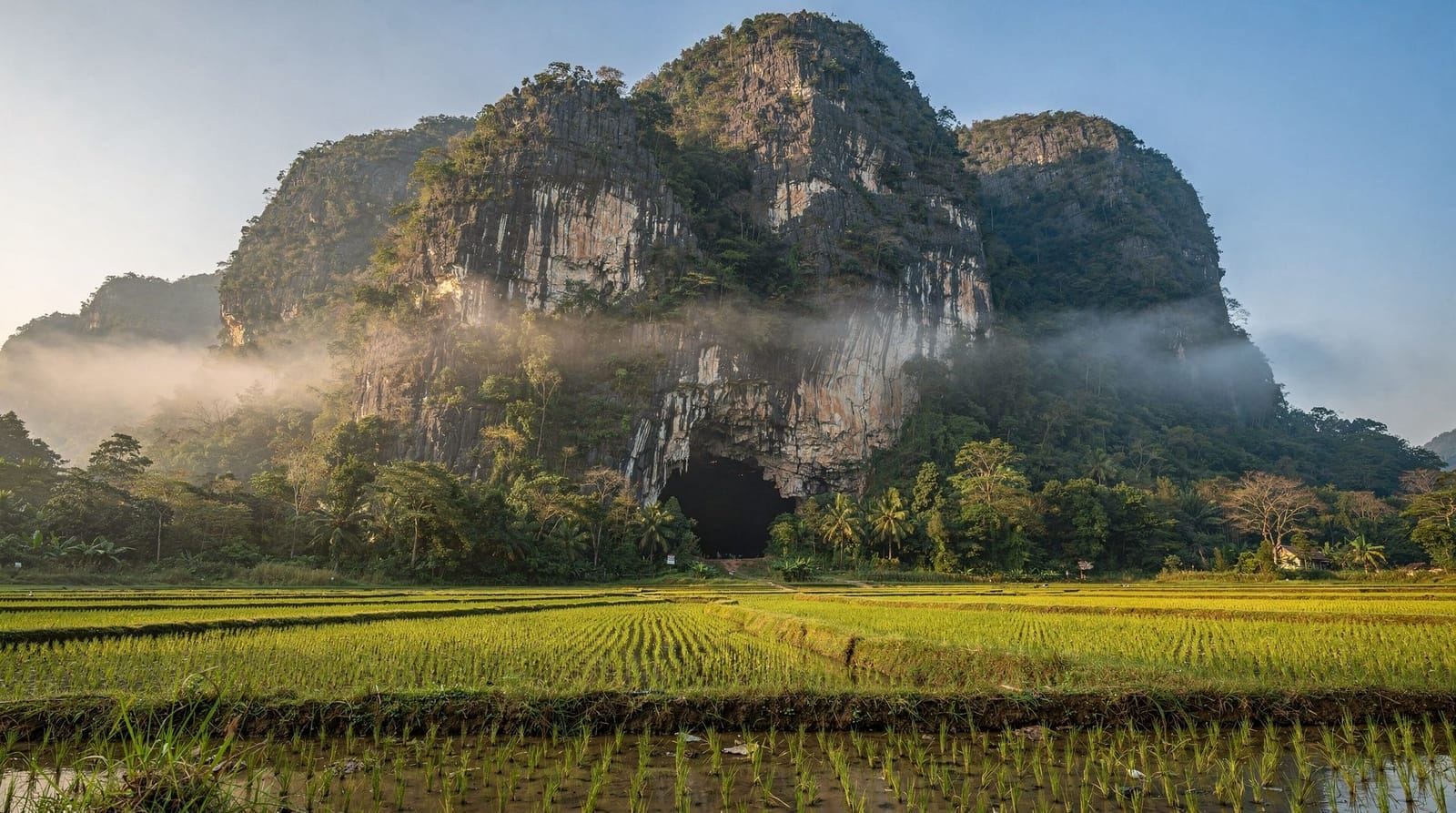
Crazy Horse Buttress, in the Mae On district roughly an hour east of Chiang Mai, is the region’s primary rock climbing area — a limestone crag with over 200 bolted sport-climbing routes spread across several distinct sections, ranging from easy beginner-grade top-rope climbs to serious multi-pitch routes that draw experienced climbers from well beyond Chiang Mai. The area developed as a legitimate climbing destination over roughly two decades, with local guide services and a small climbers’ lodge supporting both day-trip visitors and climbers staying longer to work through the crag’s full route selection.
Beginners typically start with a top-rope introductory session, where a guide sets up the rope system in advance and provides all necessary gear — harness, climbing shoes, helmet — meaning no personal equipment or prior experience is required to try climbing here for the first time. Experienced climbers can arrange lead-climbing sessions or work toward the crag’s more demanding multi-pitch routes with the same local guide services, making Crazy Horse Buttress a legitimate destination across a genuinely wide skill range rather than a beginner-only novelty stop.
San Kamphaeng: a smaller, closer alternative
A smaller climbing area near San Kamphaeng, east of the city and closer than Crazy Horse Buttress, offers a more limited route selection but a shorter drive and generally quieter conditions given its lower profile compared to the region’s main crag. It’s a reasonable choice if you want to try climbing without committing to the longer drive to Mae On, or if you’re already visiting the San Kamphaeng crafts road or San Kamphaeng hot springs the same day and want to add a shorter climbing session rather than a separate dedicated trip.
How booking actually works
Unlike ziplining, ATV riding and rafting — all of which run through well-established tour platforms with standardized packages and instant online booking — rock climbing near Chiang Mai is arranged through smaller, specialist local guide services, typically contacted directly by phone, messaging app or through a climbers’ lodge near Crazy Horse Buttress itself. Some hotels and tour desks in the city can help arrange a booking on your behalf, but expect a more personal, less standardized process than reserving a zipline slot through an app. This isn’t a sign of a disorganized or unreliable scene — it reflects the smaller, more specialist nature of the activity compared to the mass-market adventure tourism built around Mae Taeng valley.
What a half-day introductory session looks like
A typical beginner session starts with a safety briefing and gear fitting at the base of the crag, followed by your guide setting up a top-rope route suited to complete beginners — usually a shorter, lower-angle climb to build basic technique before progressing to something more demanding later in the session. Expect to climb several different routes across a half day, with your guide managing all rope work and belaying throughout, meaning your only real task is climbing itself rather than managing any technical rope systems. Full-day sessions extend this with more routes and, for those progressing quickly, an introduction to more technical movement on steeper terrain.
Costs: what climbing actually costs near Chiang Mai
A half-day introductory session with a guide, including all gear rental, typically runs 1,500-2,500 THB ($43-$71) per person, with the lower end applying to larger groups sharing a guide’s time and the higher end reflecting more personalized one-on-one instruction. Full-day sessions or private multi-pitch guiding for experienced climbers run higher, often 3,000-4,500 THB ($86-$129), reflecting the more specialized instruction and longer time commitment involved. This is noticeably more expensive per hour than a zipline or ATV tour, a fair reflection of the smaller guide-to-climber ratio and more individualized nature of climbing instruction compared to group-paced adventure activities.
An honest note on the region’s other “climbing” activities
If a bookable, standard-catalogue tour is what you’re after rather than arranging a specialist climbing session, it’s worth knowing that a couple of adjacent activities get marketed with climbing-adjacent language without actually being technical rock climbing. A guided scramble up Bua Thong’s Sticky Waterfalls lets visitors climb the mineral-coated rock face of a waterfall barefoot, using natural grip rather than ropes or harnesses — a genuinely fun, accessible activity, but a scramble rather than technical climbing, and not a substitute for an actual Crazy Horse Buttress session if real rock climbing is what you’re looking for. Similarly, the full-day Chiang Dao caving and jungle kayaking trip involves scrambling through cave passages rather than rope-based climbing, worth considering as a different kind of rock-and-terrain adventure if the technical climbing at Crazy Horse Buttress doesn’t fit your schedule or interests.
For visitors who’d rather combine a shorter, more mainstream adventure activity with their trip instead of arranging specialist climbing logistics, the 3-hour ATV quad biking jungle adventure is a reasonable standard-catalogue alternative that requires no advance arrangement beyond a normal tour booking.
Gear: what to bring vs what’s provided
Guide services at both Crazy Horse Buttress and San Kamphaeng typically provide harnesses, climbing shoes and helmets as part of a standard booking, so first-timers don’t need to own or bring any climbing-specific equipment. Climbers with their own well-fitted shoes often prefer to bring them rather than relying on rental sizing, and chalk (for grip) is worth bringing or requesting if you’re climbing during the more humid rainy-season months. Sun protection matters more than newcomers expect, since much of the crag sits in direct sun for large parts of the day — a hat, sunscreen and enough water for a multi-hour outdoor session are all worth packing regardless of season.
Lightweight, breathable clothing that still covers knees and elbows reasonably well is worth wearing, since rock contact on exposed skin during technique-building falls or scrapes against the limestone is a minor but real annoyance climbers in shorts and t-shirts sometimes discover the hard way. A small daypack for water, snacks and sun protection rounds out the practical packing list for a half or full day at the crag.
Season and weather considerations
The cool season (November-February) offers the most comfortable climbing conditions, with temperatures that don’t turn a sun-exposed limestone face into an uncomfortably hot surface by midday. The hot season (March-May) makes afternoon climbing genuinely unpleasant at exposed sections of the crag, pushing serious climbers toward early morning sessions instead. The rainy season (June-October) is climbable between showers, but wet limestone becomes slippery and some routes are avoided entirely for a day or two after heavy rain until the rock dries out — a legitimate safety consideration rather than mere inconvenience, since wet holds genuinely increase fall risk on technical routes.
Combining climbing with other nearby activities
Because Crazy Horse Buttress sits east of the city near Mae On and San Kamphaeng, some visitors pair a morning climbing session with an afternoon at the San Kamphaeng hot springs — a genuinely pleasant way to soothe sore forearms and shoulders after a demanding climb. Others combine a shorter San Kamphaeng climbing session with a visit to the San Kamphaeng crafts road the same day, since both sit in the same general direction from the city. If you’re building a broader adventure-focused itinerary, our Chiang Mai adventure guide lays out how climbing fits alongside ziplining, ATV riding and rafting across a longer trip, and Chiang Dao offers a genuinely different rock-and-cave adventure for a separate day if you want variety beyond a single crag.
Safety and what a responsible guide service looks like
A responsible climbing guide service inspects gear regularly, sets appropriate routes for your stated experience level rather than pushing beginners onto routes beyond their ability, and gives a genuine safety briefing covering fall technique and communication signals with the belayer. Given that this activity runs through smaller, less standardized operators than the region’s mainstream adventure tours, checking recent reviews specifically for mentions of gear condition and guide competence is worth the extra effort compared to booking a well-reviewed zipline or ATV tour through a major platform. As with any climbing activity anywhere in the world, confirming your travel insurance actually covers rock climbing is worth doing before you go, since a meaningful number of standard policies exclude it by default as an “extreme sport.”
It’s also reasonable to ask a prospective guide service directly about their bolt and anchor inspection routine, since fixed hardware at any outdoor crag ages with weather exposure over years of use. An established, reputable service should have a straightforward answer about how routes are maintained rather than treating the question as unusual or unwelcome.
Staying near Crazy Horse Buttress for a multi-day trip
Climbers planning to work through more of Crazy Horse Buttress’s 200-plus routes than a single day allows often stay at a small climbers’ lodge near the crag itself rather than commuting from Chiang Mai each day, cutting the daily drive time and allowing for early-morning sessions before the midday heat sets in. This is a genuinely different kind of trip from the day-tour model that covers most of the region’s other adventure activities — closer to a dedicated climbing holiday than a single add-on day — and worth considering if climbing is a primary reason for your visit rather than one activity among several. Multi-day guide packages, covering several days of instruction at progressively more demanding routes, are generally arranged directly with a guide service rather than through a standard tour listing.
How Chiang Mai’s climbing compares to Thailand’s better-known destinations
Thailand’s most famous climbing destination is the limestone karst around Krabi and Railay Beach in the south, a genuinely larger and more internationally recognized climbing scene than anything in the north. Crazy Horse Buttress doesn’t compete with Railay’s scale or its dramatic sea-cliff setting, but it offers a legitimate, well-established alternative for travelers whose trip is centered on Chiang Mai and the north rather than a separate trip south. If climbing is the main purpose of your Thailand trip specifically, Railay is worth researching as an alternative or addition; if you’re already in Chiang Mai for other reasons and want to add a climbing day or two without traveling south, Crazy Horse Buttress is a genuinely worthwhile detour rather than a consolation option.
Route grading and what beginners should expect
Routes at Crazy Horse Buttress are graded on the French sport-climbing scale, commonly used across Southeast Asia, ranging from easy 4s and 5s suitable for a first-time climber through demanding 7s and 8s for experienced climbers working toward harder technical movement. A typical beginner session focuses on routes graded 4-5b, which involve straightforward holds and moderate exposure, building basic technique and comfort with height and rope systems before any attempt at steeper, more technical terrain. Guides generally assess a beginner’s comfort level on the first route before deciding whether to progress to something harder the same day, rather than fixing a rigid route plan in advance regardless of how a client is actually performing.
Getting to Crazy Horse Buttress
Crazy Horse Buttress sits roughly an hour’s drive east of central Chiang Mai in the Mae On district, reachable by rental car, hired driver, or as part of a guide service’s package that includes transport from the city. Public transport doesn’t practically cover the route, so self-driving or arranging transport through your guide service are the two realistic options — most first-time visitors let the guide service handle transport as part of a bundled booking rather than arranging a separate rental car for what’s a fairly rural, signage-light drive.
Frequently asked questions about rock climbing near Chiang Mai
Do I need climbing experience to try Crazy Horse Buttress?
No — local guide services set up top-rope routes and provide all gear for complete beginners, typically as a half-day introductory session with one-on-one instruction. Experienced climbers can also arrange lead-climbing or multi-pitch routes with the same guide services, so the crag serves both skill levels.
How many routes does Crazy Horse Buttress have?
Over 200 bolted routes spread across several distinct crag sections, ranging from easy beginner grades through demanding multi-pitch lines for experienced climbers. It’s genuinely one of the larger established sport-climbing areas in Thailand, not a small handful of routes.
Is rock climbing bookable the same way as ziplining or ATV tours?
Not really — climbing here runs through specialist local guide services rather than the same mainstream tour platforms that list zipline and ATV packages, and there’s no equivalent one-click booking for a specific climbing tour in most major tour catalogues. Expect to contact a guide service directly or through your hotel to arrange a session.
What does a day of climbing at Crazy Horse Buttress cost?
A half-day introductory session with a guide, including gear rental, typically runs 1,500-2,500 THB ($43-$71) per person, with full-day sessions or private multi-pitch guiding running higher. Group rates bring the per-person cost down for parties of three or more.
Is Crazy Horse Buttress suitable for children?
Some guide services offer beginner top-rope sessions suitable for children around 8 years and up with a parent present, though this depends on the individual child’s comfort with heights and the specific guide service’s policy. It’s worth confirming directly rather than assuming a blanket age minimum applies across all operators.
What’s the best season for climbing near Chiang Mai?
The cool season (November-February) offers the most comfortable climbing temperatures, since limestone crags in direct sun get uncomfortably hot during the hot season (March-May). The rainy season (June-October) is climbable between showers, but rock can be slippery when wet, and some routes get avoided entirely after heavy rain until the surface dries.
How does Crazy Horse Buttress compare to San Kamphaeng’s climbing area?
Crazy Horse Buttress is the larger, more established area with far more routes and a bigger community of visiting climbers, while San Kamphaeng offers a smaller, quieter cliff closer to the city — a reasonable alternative if you want a shorter drive or a less crowded crag, though with a noticeably smaller route selection.
Top experiences
Bookable activities with verified prices and instant confirmation on GetYourGuide.