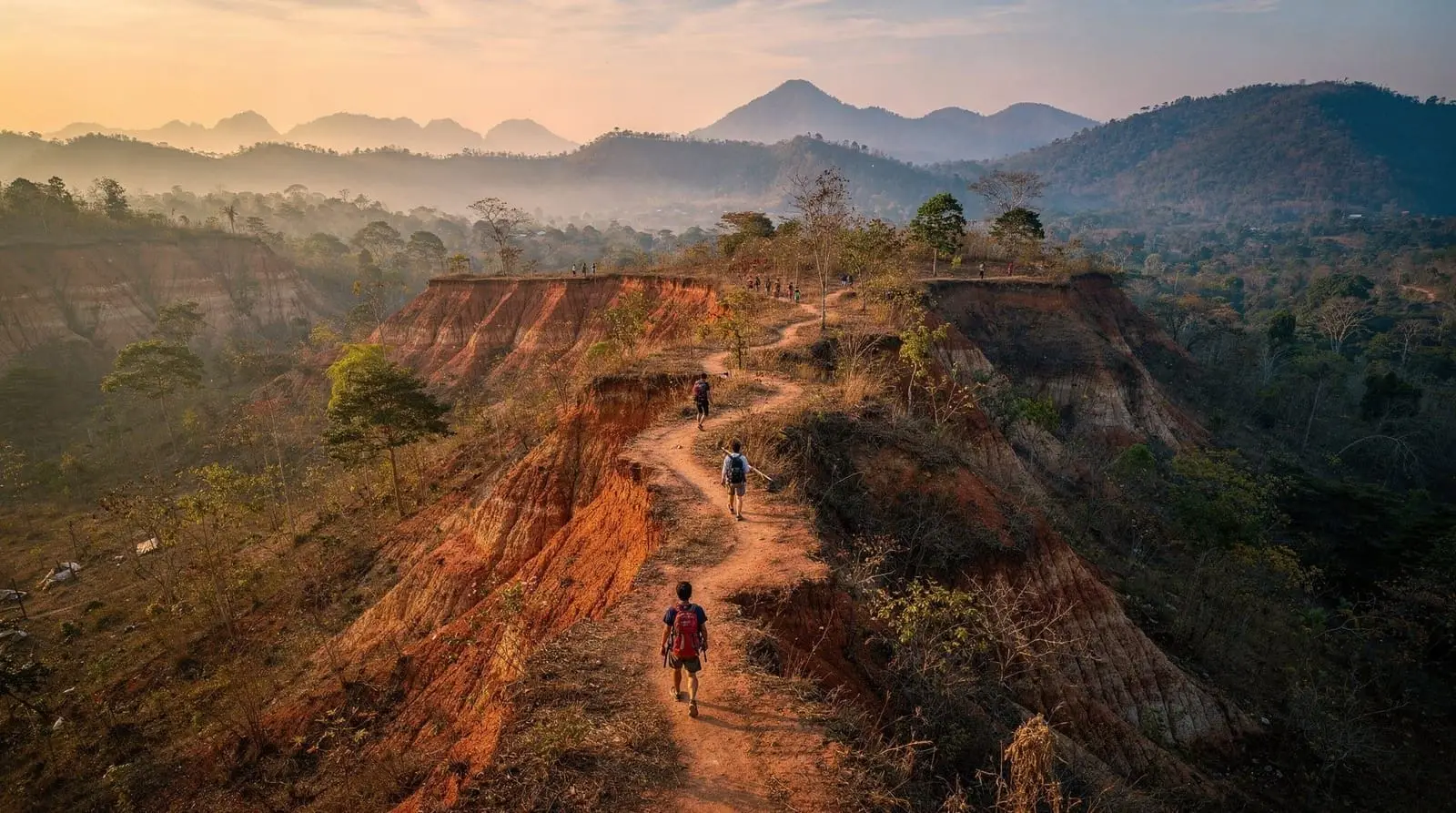
Pai day trip vs overnight
From Chiang Mai: Day Tour to Pai Highlights by Private Car
Duration: Full day
Should I visit Pai as a day trip or stay overnight?
Stay overnight if at all possible. The drive is 3-3.5 hours each way along a winding 762-curve mountain road, so a same-day round trip means 6-7 hours of driving for only 3-4 hours in Pai. A day trip is technically possible and available as a guided option, but travelers who've tried both consistently prefer at least one night.
Pai comes up constantly in Chiang Mai trip planning, and the same question comes up almost as often: can it be done as a day trip, or does it need an overnight? The honest answer sits somewhere between “technically yes” and “please don’t” — this guide breaks down both options so you can decide with your own schedule in mind, rather than defaulting to whichever version a tour operator happens to be selling.
Quick answer: an overnight is strongly preferred. The drive alone is 3-3.5 hours each way along the winding 762-curve Route 1095, so a same-day round trip burns 6-7 hours of driving for roughly 3-4 hours actually in Pai. A guided day trip exists and works for travelers with genuinely no flexibility, but it’s the least satisfying way to experience the town.
The 762 curves: why the road itself is the deciding factor
Route 1095 between Chiang Mai and Pai is famous — and mildly infamous — for its roughly 762 curves over about 135km, climbing through mountain scenery that’s genuinely beautiful from a car window but taxing if you’re prone to motion sickness. Minivan operators and private drivers both mention this upfront often enough that it’s worth taking seriously: pack motion sickness medication if you’re at all susceptible, and know that the drive itself is a meaningful part of the day’s time budget, not just a means to an end.
The day-trip option: what it actually covers
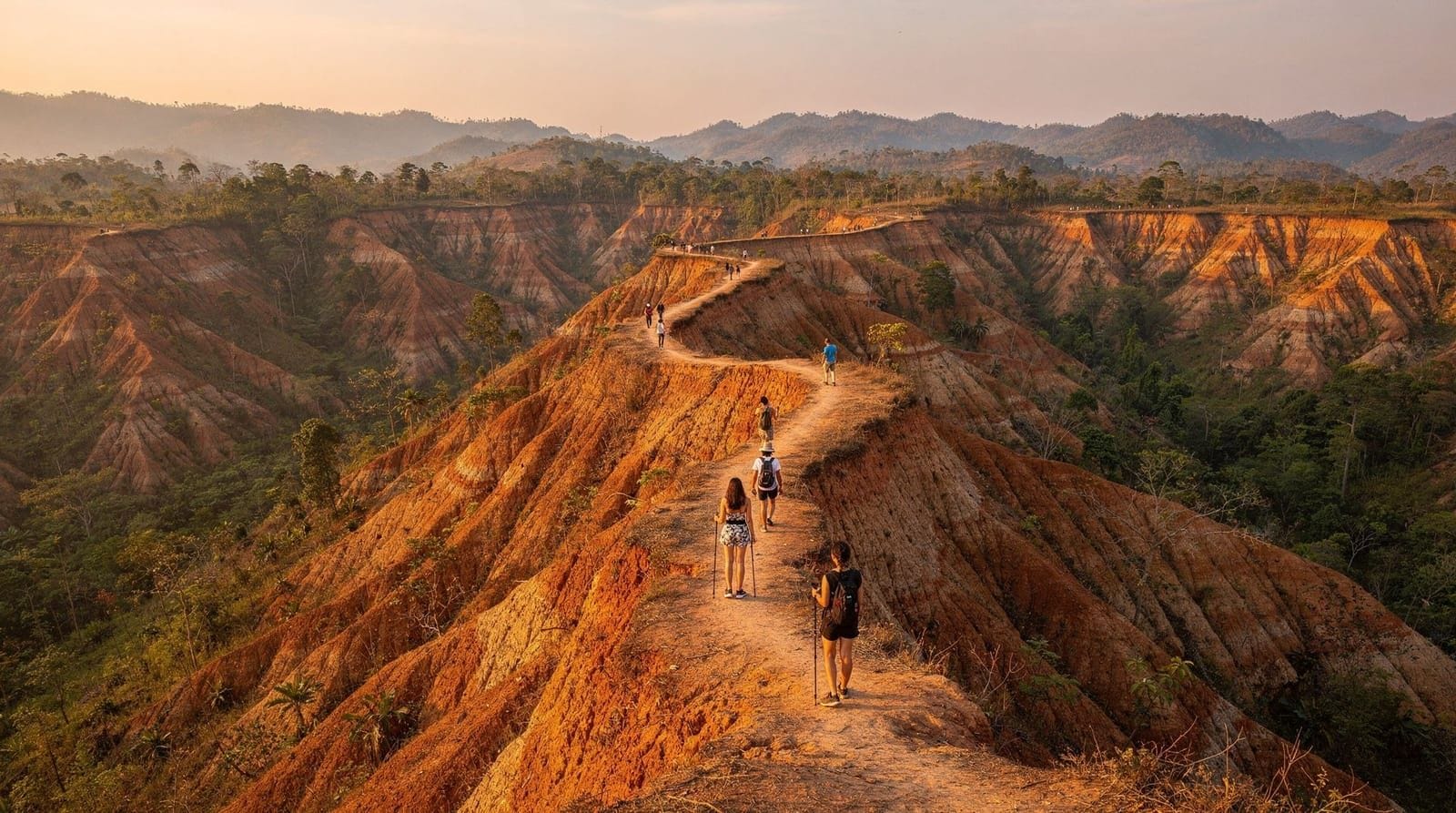
A single-day Pai trip is a real product — a day tour to Pai’s highlights by private car typically departs Chiang Mai early, covers Pai Canyon, the Memorial Bridge, a hot spring stop, and perhaps the Land Split roadside attraction, before the return drive. It’s a genuine option for travelers whose schedule truly has no room for an extra night, and a Pai highlights private one-day trip or a van rental with driver for a one-day Pai trip are both structured around exactly this compressed itinerary.
What it doesn’t deliver is the slower, cafe-and-viewpoint pace that most people associate with Pai in the first place — the canyon and bridge photo stops, seen quickly between long drives, feel more like checking boxes than experiencing the town’s actual appeal.
Why an overnight changes the experience
Staying even a single night in Pai — via a Pai overnight trip with driver extended by a hotel stay, or simply booking your own accommodation — removes the round-trip time pressure entirely. You arrive in the afternoon, have a full evening at the Pai Walking Street night market, a full next-day morning for the canyon at sunrise light (genuinely different from midday crowds), and can add a hot spring soak or the Pai Canyon viewpoint at Yun Lai without racing the clock. A 2-day private Pai tour structures exactly this pace, with an English or Chinese-speaking guide for those who want the logistics handled.
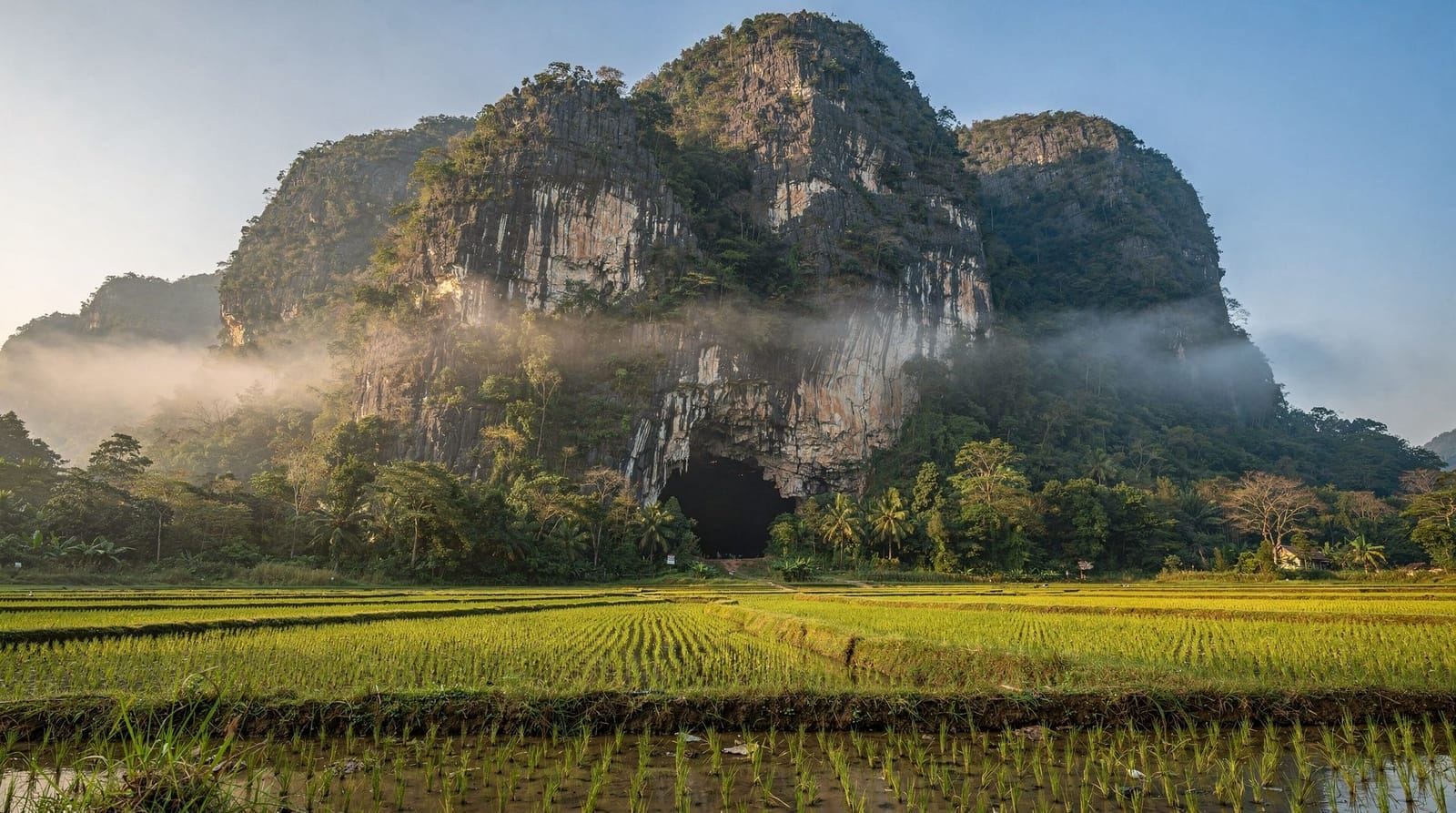
Two or three nights, considered ideal by most repeat visitors, adds time for Mo Paeng waterfall, the bamboo bridge at Boon Ko Ku So, and simply slowing down — the actual reason Pai built its reputation as a backpacker and slow-travel favorite in the first place.
Combining Pai with Mae Hong Son
For travelers with more time, Pai is also the natural jumping-off point for the wider Mae Hong Son loop — a Pai highlights day tour with Pai Canyon can be extended into a multi-day loop rather than a there-and-back trip. This only makes sense with several days available; trying to add Mae Hong Son onto a single-day Pai trip compounds the same driving-time problem, multiplied.
Getting there without a tour
Public minivans run frequently from Chiang Mai’s Arcade bus station, typically 150-250 THB (~$4-7) one-way, taking the same 3-3.5 hours as a private car along Route 1095. Self-driving by rental car or motorbike is popular among confident riders, though the curves demand real attention and aren’t recommended for first-time riders on unfamiliar roads. Short flights between Chiang Mai and Pai (about 25 minutes) exist and avoid the road entirely, though schedules can be limited — the Chiang Mai to Pai transport guide compares minivan, private car and motorbike options in more detail.
Weather and timing for either option
November-February gives the coolest, clearest mountain views and the most comfortable conditions for the drive and any hiking around Pai Canyon or viewpoints. The February-April burning season brings haze that can dull the mountain scenery along the drive itself, not just at the destination. June-October brings quieter roads and greener scenery, at the cost of occasional rain delays.
The bottom line
If you can only justify one extra night beyond your Chiang Mai base for a northern side trip, Pai is a strong candidate — but only as an overnight. As a same-day round trip, the math simply doesn’t favor it the way it does for closer destinations like Doi Inthanon or Chiang Dao. For a broader look at how Pai compares to basing yourself in Chiang Mai city, see Chiang Mai vs Pai.
A short history of Pai as a backpacker destination
Pai’s reputation as a laid-back travel hub developed gradually from the 1990s onward, as backpackers on the well-worn northern Thailand circuit began stopping in what was originally a quiet Shan and hill-tribe market town. Its slower pace, mountain scenery and relatively cool climate drew an increasing mix of long-stay travelers, artists and, more recently, domestic Thai tourists on weekend breaks from Bangkok and Chiang Mai, which has shifted Pai’s atmosphere over the past decade from purely backpacker-focused toward a broader, more commercialized mix of cafes, boutique guesthouses and walking-street shopping. Understanding this evolution helps calibrate expectations: the “undiscovered village” version of Pai that shows up in older travel writing is largely gone, replaced by a more developed, still charming, but noticeably busier small town, particularly during the cool-season peak.
What to pack
Beyond the standard northern Thailand packing list, a few Pai-specific items are worth prioritizing. Motion sickness medication, as already noted, is worth carrying regardless of how confident you feel about the drive. A light rain jacket covers both the cool-season chill in the mountains and the possibility of afternoon showers even outside the main rainy season. Comfortable sandals or walking shoes suit the town’s relaxed, casual dress code better than anything more formal, and swimwear is worth packing if you’re planning to visit any of the hot springs or waterfalls around town. Cash matters more in Pai than in central Chiang Mai — while card payment is increasingly available, many smaller guesthouses, market stalls and independent cafes remain cash-only, so withdrawing THB before arriving (ATMs exist in town but can occasionally run out during peak periods) is a sensible precaution.
Food and where to eat
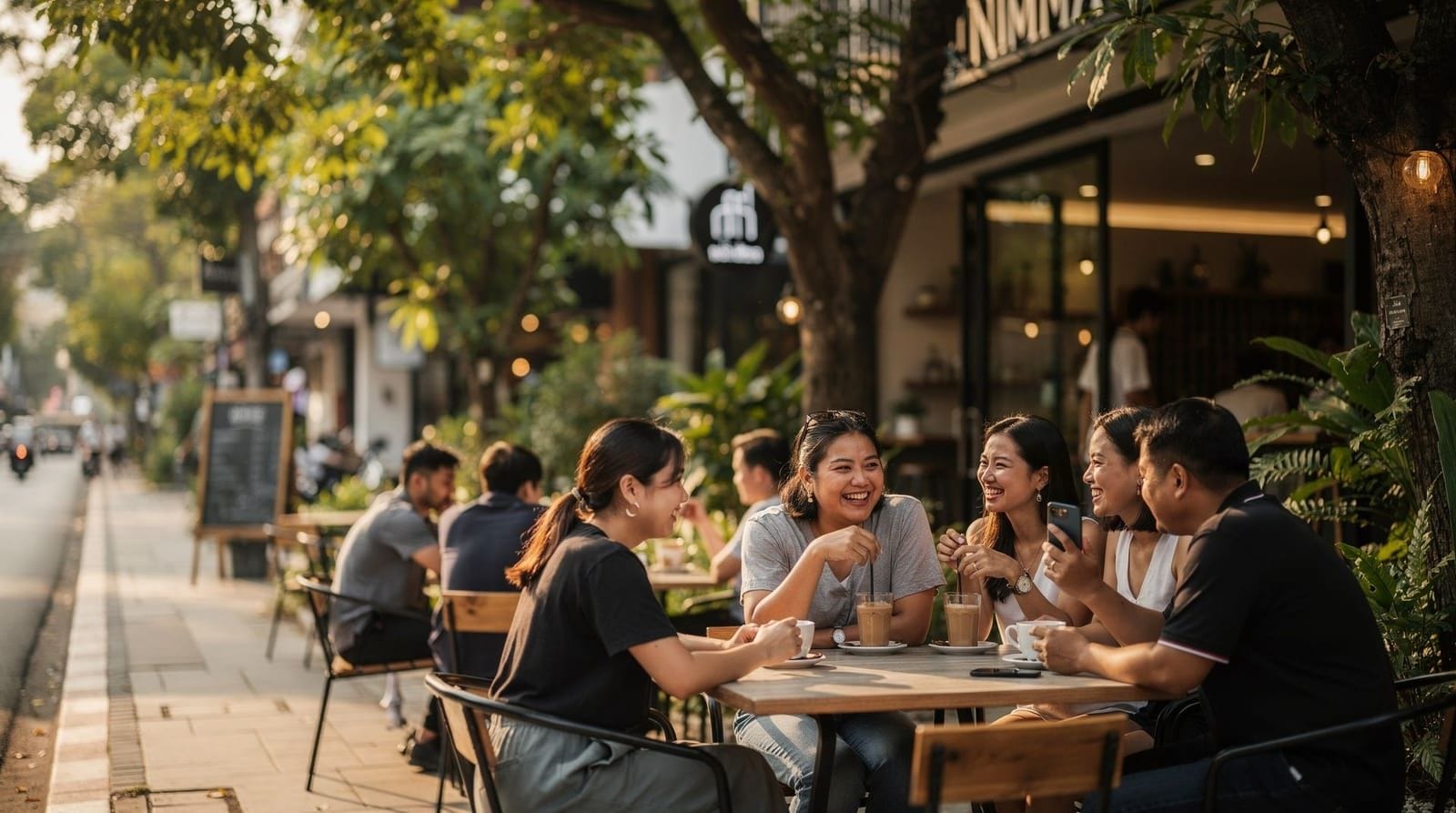
Pai’s food scene has grown considerably alongside its tourism, and the night market along the walking street is the most straightforward starting point — a wide range of Thai and Shan-influenced street food stalls, along with a noticeably international mix of cafes and restaurants reflecting the town’s long-stay traveler population. Shan-style dishes, distinct from the central and southern Thai cuisine more familiar to first-time visitors, are worth specifically seeking out given the historical Shan presence in the area — options like tua nao (fermented soybean discs) and khao soi variations with local touches show up on menus around town. For a day-trip visitor without time to explore extensively, the walking street market in the evening (if staying overnight) or a quick lunch stop near Pai Canyon on a day-trip itinerary are the two most realistic ways to sample the local food scene.
Accommodation if you decide to stay overnight
Pai’s accommodation scene has grown substantially alongside its popularity, ranging from simple backpacker guesthouses in town to riverside bungalows and boutique resorts set slightly outside the center, often with rice-field or mountain views as the main draw. Booking ahead matters more here than in some other northern Thailand destinations, particularly during the cool-season peak (November-February) and Thai public holidays, when domestic tourism to Pai surges and rooms can sell out with little notice. For travelers deciding at the last minute whether to extend a day trip into an overnight, having a backup plan (or booking a flexible-cancellation room in advance just in case) removes one source of stress from an otherwise spontaneous decision.
Accessibility and physical demands of the drive
Beyond motion sickness, the drive itself is worth considering from a broader physical-comfort perspective: 3-3.5 hours of continuous curves in a minivan or car seat is a meaningfully different experience from a similar-length drive on a straight highway, and passengers with back or neck sensitivity may find the ride more taxing than the distance alone suggests. A private car, with the ability to stop periodically at viewpoints along the way, offers more flexibility to break up the drive compared to a fixed-schedule shared minivan. For travelers with genuine mobility or comfort concerns about the road itself, the short flight option, while less scenic and sometimes less predictable in scheduling, avoids this consideration entirely.
What repeat visitors say about the day-trip-vs-overnight choice
Talk to enough travelers who’ve done both versions of a Pai visit, and a consistent pattern emerges: those who did the single-day round trip almost universally describe it as “worth doing once” but rarely something they’d repeat, citing the exhaustion of the return drive as the dominant memory of the day rather than anything they saw in Pai itself. Those who stayed even one night, by contrast, tend to describe the town itself — the walking street market, a quiet morning at the canyon before the day-trip crowds arrive, an evening at a riverside cafe — as the more memorable part of the experience. This isn’t a universal rule, and travelers with genuinely no schedule flexibility shouldn’t feel the day trip is a mistake, but it’s a pattern worth weighing seriously if you’re on the fence about rearranging an extra night into your itinerary.
Overtourism and community considerations
Pai’s rapid growth as a tourist destination has brought real benefits to the local economy but also genuine strain — increased traffic on the mountain road, pressure on water and waste infrastructure in a town that was never built for its current visitor volume, and a shift in the local economy heavily toward tourism-dependent businesses. Travelers who choose to stay overnight rather than day-trip contribute somewhat more directly to the local economy through accommodation spending, and taking basic steps like minimizing single-use plastic, respecting posted rules at natural sites like the canyon and waterfalls, and choosing locally owned guesthouses and restaurants over larger chain-style operations all help ensure tourism benefits the community that’s grown up around it, rather than simply passing through. This is a small consideration for an individual traveler, but collectively it shapes whether Pai’s continued popularity remains sustainable for the town itself.
A quick comparison table in words
If you’re still weighing the decision: a day trip costs less, requires no accommodation booking, and delivers a compressed highlights reel (canyon, bridge, a hot spring stop) in roughly 3-4 hours on the ground after 6-7 hours of driving. An overnight costs more (one night’s accommodation on top of transport), requires advance booking during peak season, but delivers a full evening and morning in Pai itself, room to add the walking street market, a sunrise visit to the canyon, and a genuinely unhurried pace matching what draws most travelers to Pai in the first place. For nearly every traveler without a truly fixed, inflexible schedule, the overnight’s modest extra cost and planning is the better trade.
A final practical note
Whichever option you choose, booking your transport (minivan, private car, or flight) a few days ahead rather than the same morning gives you more choice of departure times and, during the cool-season peak, avoids the disappointment of a fully booked service on your preferred day. If you do decide on the overnight and haven’t booked accommodation yet, doing so as early as your itinerary allows removes one more variable from what should be a genuinely relaxing addition to your Chiang Mai trip rather than another source of last-minute logistics stress.
Frequently asked questions about Pai day trip vs overnight
Is Pai worth visiting as a day trip from Chiang Mai?
It’s possible, but the 6-7 hours of round-trip driving for a few hours on the ground is a poor trade for most travelers. An overnight covers the same highlights with far less exhaustion.
How long is the drive from Chiang Mai to Pai?
About 3-3.5 hours by minivan or car, covering roughly 135km along Route 1095, known for its 762 curves.
Does the Chiang Mai to Pai road cause motion sickness?
For some travelers, yes. The road’s continuous curves are enough that tour operators and minivan companies routinely mention it, and motion sickness medication is a reasonable precaution if you’re prone to it.
What can I see in Pai in one day?
A typical single-day tour covers Pai Canyon, the Memorial Bridge, a hot spring stop, and perhaps the Land Split roadside attraction — enough for a taste of the area but not the slower cafe-and-viewpoint pace Pai is known for.
How many nights should I spend in Pai?
2-3 nights is considered ideal by most repeat visitors, allowing time for the canyon, waterfalls, viewpoints and the night market at an unhurried pace. One night is a reasonable minimum if your schedule is tight.
Can I fly to Pai instead of driving?
Yes, short flights between Chiang Mai and Pai take about 25 minutes, avoiding the road entirely, though flight schedules and availability can be limited compared to minivan services.
What’s the best way to get to Pai for a day trip?
A private car and driver, such as a dedicated day-tour car service, is the most common way to do Pai as a single day, since it allows some flexibility in timing compared to fixed-schedule minivans.
Is Pai better than Chiang Rai for an overnight add-on?
They offer different experiences — Pai is slower-paced with nature and cafe culture, while Chiang Rai centers on temples and art. Both are better as overnights than rushed day trips if you can only add one extra night to your itinerary.
Top experiences
Bookable activities with verified prices and instant confirmation on GetYourGuide.

From Chiang Mai: Day Tour to Pai Highlights by Private Car
Pai Highlights Private One Day Trip from Chiang Mai
1-Day Trip from Chiang Mai to Pai (Van Rental with Driver)
Chiang Mai: Charming Pai in One Day Trip with Driver
Chiang Mai: 2-Day Private Pai Tour with English/Chinese Guide