Pai slow travel itinerary: 4 relaxed days in the mountains
From Chiang Mai: Day Tour to Pai Highlights by Private Car
Duration: Full day
Pai gets treated as a day trip by a lot of Chiang Mai itineraries, and that’s a mistake — the drive alone takes three to four hours each way, and cramming the town into a single day means you spend more time in the car than in the mountains. This itinerary flips that: four unhurried days built around Pai as a base, with a loop out to Mae Hong Son for travelers who want the full mountain-province experience rather than just the town itself.
Quick answer: four days lets you properly settle into Pai’s slower pace — a scenic drive in with stops, two days split between the canyon, hot springs, and bamboo bridge, one day looping out to Mae Hong Son, and a relaxed final morning before heading back. Budget roughly 1,800-2,800 THB (USD 50-78) per person per day including transport, activities, and food.
The road from Chiang Mai: what to actually expect
The Chiang Mai-to-Pai route is famous for its roughly 762 curves over about 135 kilometers, and it deserves the reputation — winding mountain road, sheer drops in places, and a real risk of motion sickness for passengers unused to switchbacks. Self-driving it on a rented scooter is genuinely popular but also genuinely risky for inexperienced riders; several sections have limited visibility and locals drive the curves fast. Unless you’re an experienced rider comfortable with mountain roads, a private car with a driver is the sounder choice, and it’s what this itinerary assumes throughout. Our Chiang Mai to Pai transport guide breaks down minivan, private car, and self-drive trade-offs honestly, including why minivans get mixed reviews for the motion-sickness factor on the curves.
Day 1: The scenic drive in, then Pai Walking Street
Morning to afternoon. Book a private car day tour to Pai with stops at the highlights en route, priced around 1,800-2,500 THB (USD 50-69) for a private vehicle (often shareable across up to 6-8 people, which brings the per-person cost down considerably in a group). Rather than driving straight through, this option stops at scenic viewpoints and a couple of the roadside attractions along the way, turning the transfer itself into part of the trip rather than dead time. Plan on the full drive plus stops taking most of the day — leave Chiang Mai by mid-morning at the latest.
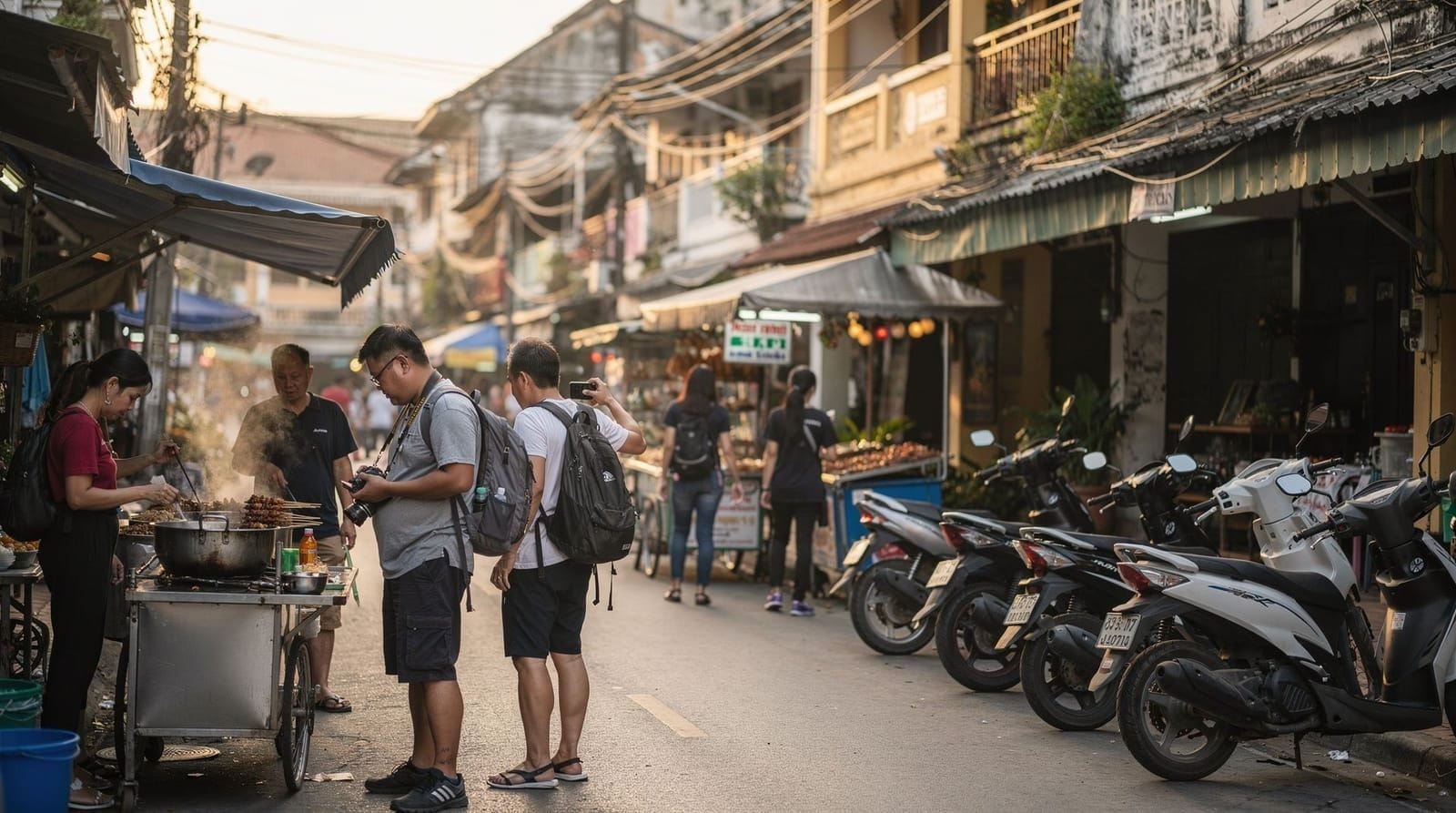
Evening. Once settled into Pai, walk the town’s Walking Street (open evenings, roughly 5pm-11pm), a low-key strip of food stalls, small bars, and local crafts that’s a fraction of the scale of Chiang Mai’s night markets — which is the point. Dinner here runs 80-150 THB (USD 2.20-4.20) per dish at the stalls. Our Chiang Mai vs Pai comparison guide is worth reading if you’re deciding how to split time between the two.
Day 2: Pai Canyon, hot springs, and the bamboo bridge
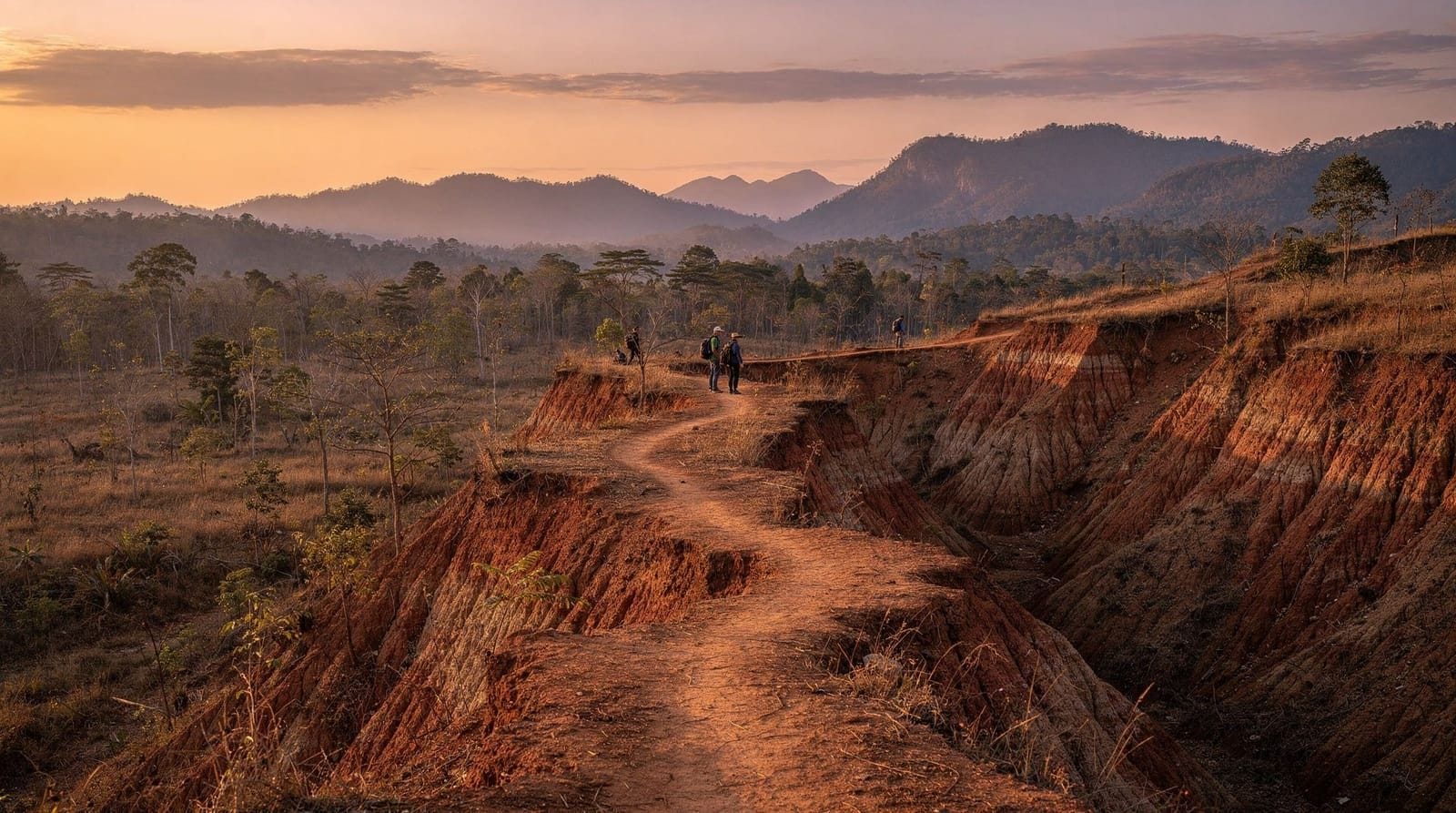
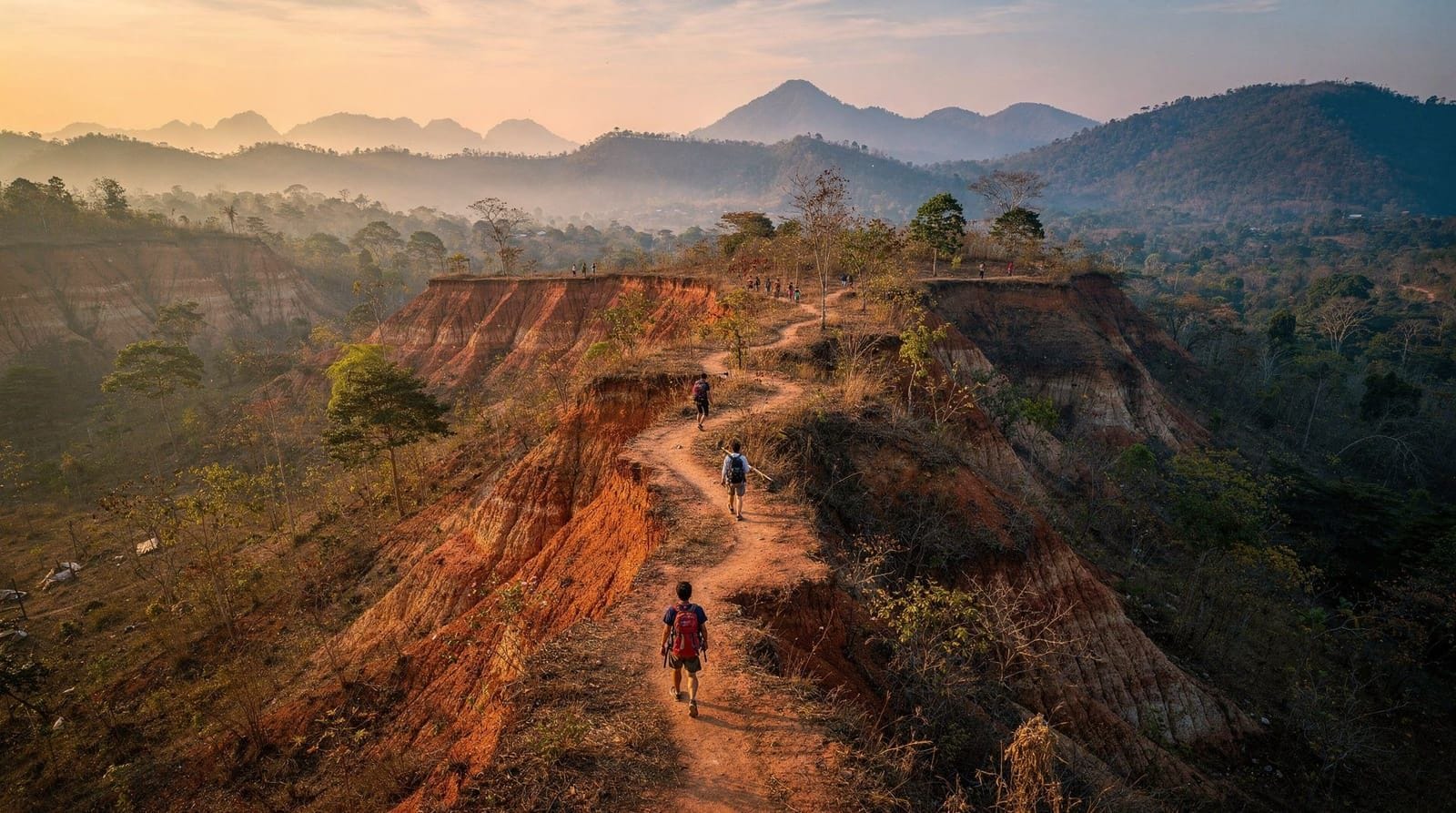
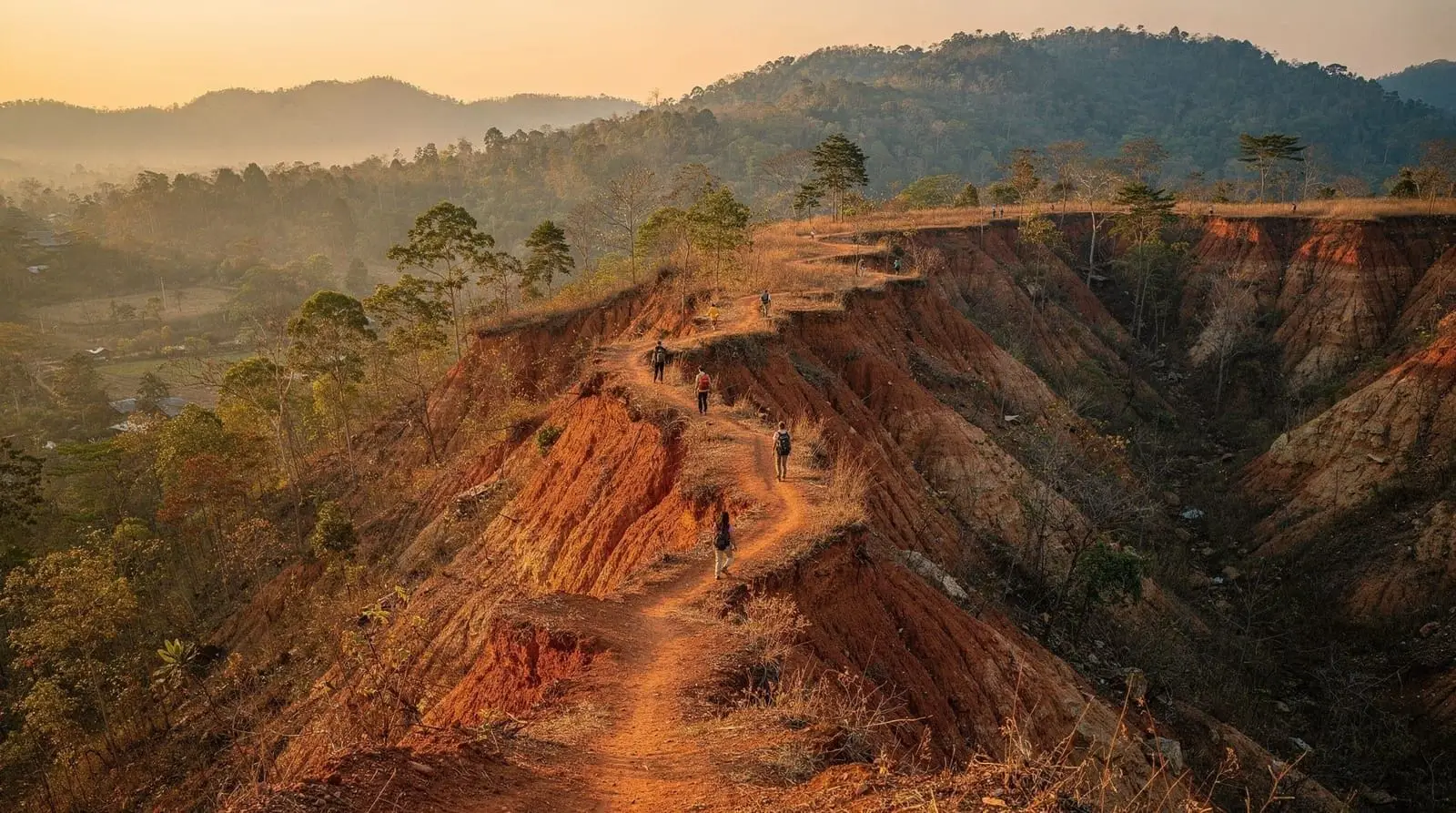
Morning. Start early at Pai Canyon (Kong Lan) before the midday heat and crowds — it’s a short, narrow ridge trail with dramatic drop-offs on either side, free to enter, and best photographed in the soft early light. Most travelers combine this with the day’s other stops rather than visiting alone.
Afternoon. Join the Sai Ngam hot spring, bamboo bridge, and Santichon village half-day tour, priced around 500-800 THB (USD 14-22) per person, which covers a natural hot spring pool (Sai Ngam, meaning “beautiful shade” — a cooler, gentler alternative to the more developed Pai Hot Springs park), the wooden and bamboo bridge across rice paddies near Wat Namhoo, and Santichon, a Yunnanese-influenced village with Chinese-style architecture and tea houses. This is a genuinely relaxed half-day rather than a packed sightseeing sprint.
Evening. Sunset at one of Pai’s viewpoint cafés overlooking the valley, followed by dinner back in town.
Day 3: Loop out to Mae Hong Son
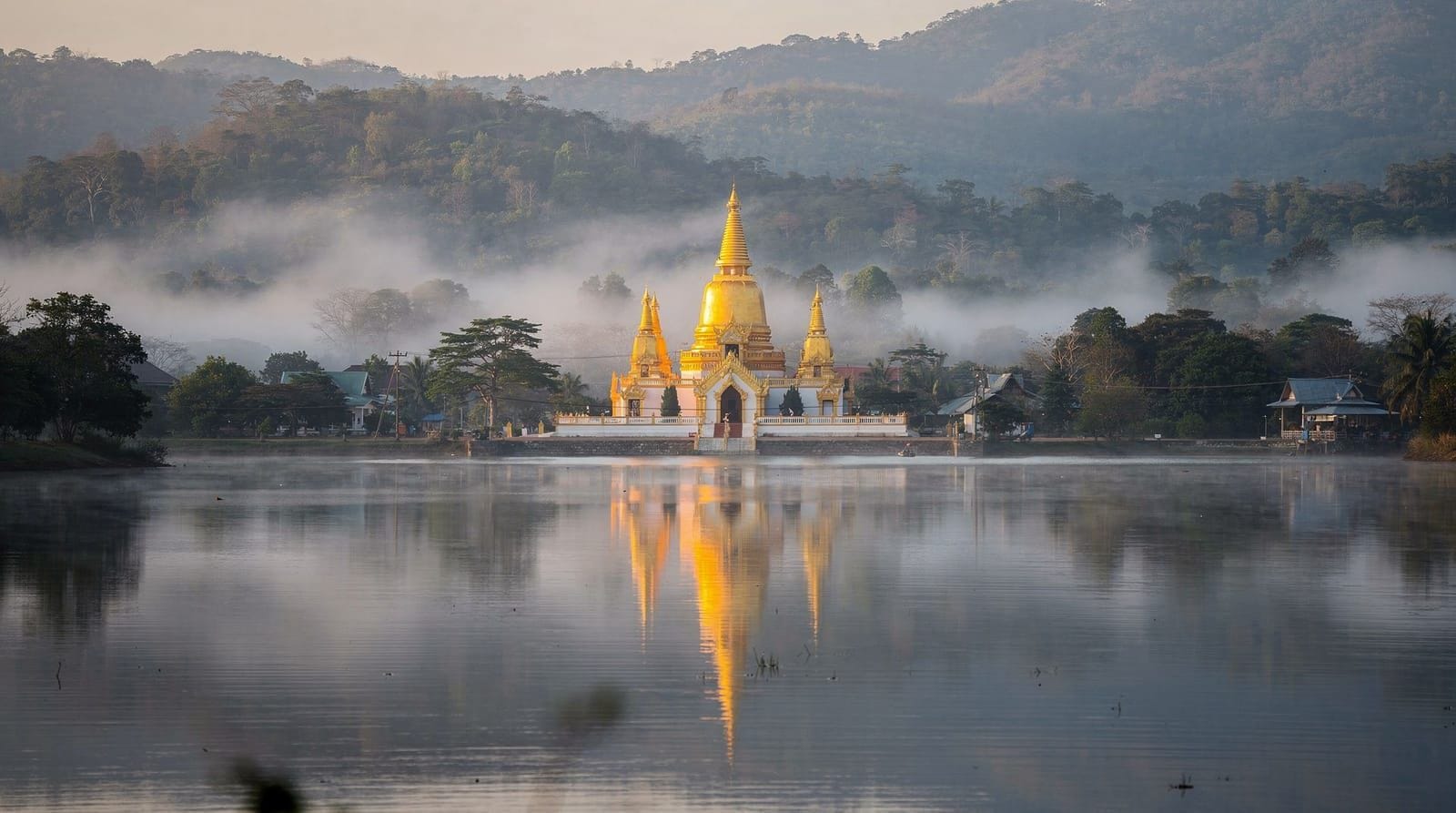
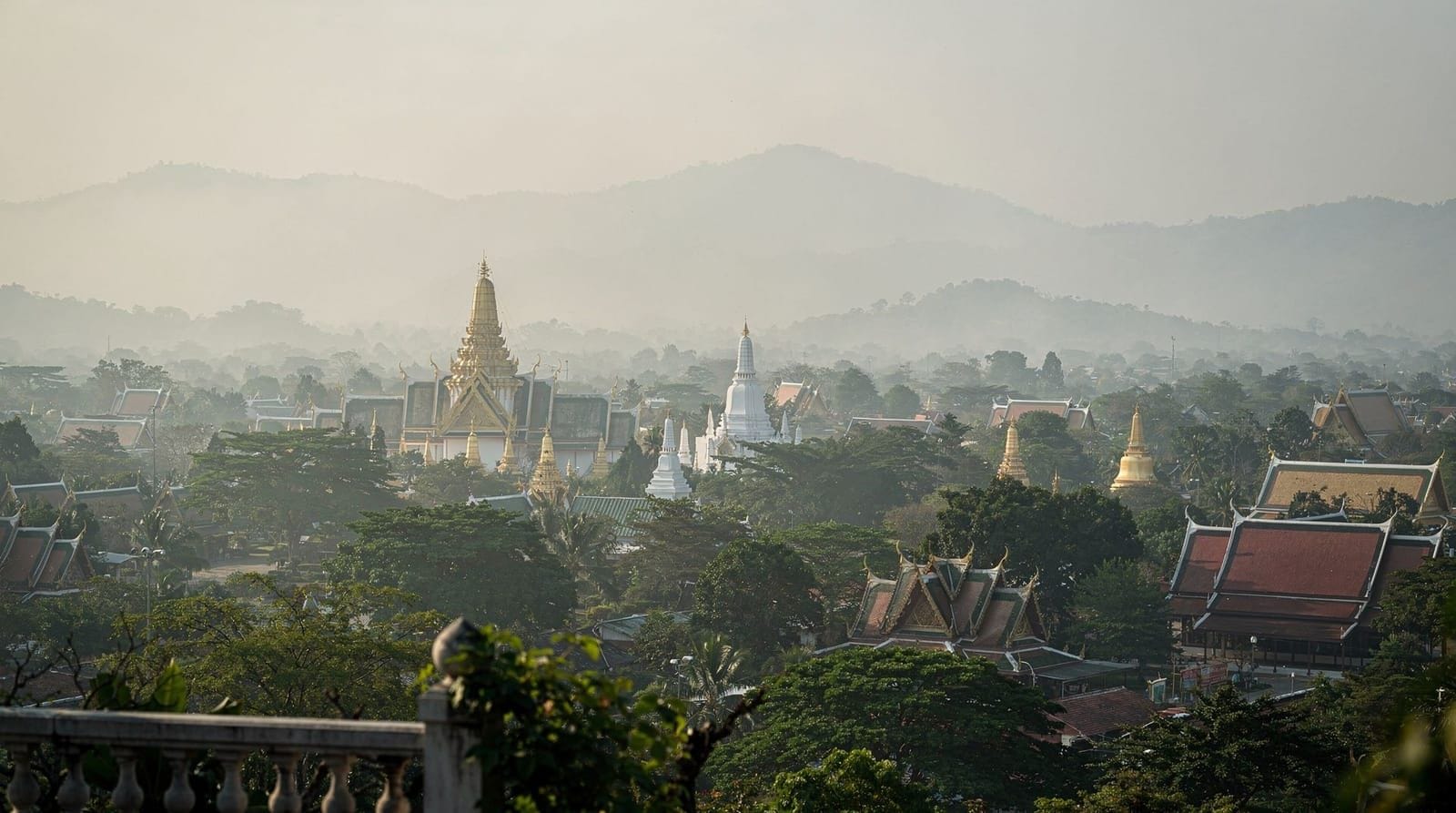
Full day. This is the itinerary’s longest single day: a private highlights car tour to Mae Hong Son from Pai, priced around 1,900-2,700 THB (USD 53-75) for the vehicle. Mae Hong Son itself is a small, misty provincial capital ringed by mountains, with Wat Chong Kham and Wat Chong Klang reflected in a small lake at the town center, and — depending on the operator and your own comfort with the ethics involved — the option to visit a long-neck Karen village nearby. This is a genuinely contested topic: some long-neck villages operate as legitimate community-run settlements, others function closer to human zoos for tour groups, and the distinction isn’t always obvious from a brochure. Our Mae Hong Son loop guide covers this honestly, including what questions to ask an operator before booking a village visit, and it’s a stop you can decline without affecting the rest of the day’s itinerary.
Evening. Return to Pai by early evening — the Pai-Mae Hong Son road, while less notorious than the Chiang Mai approach, still involves mountain curves, so factor in real travel time rather than assuming a quick there-and-back.
Day 4: A slow morning, then the return
Morning. Keep the final morning genuinely unhurried — this is the core idea behind “slow travel” in Pai, and rushing straight from a sightseeing day into a travel day defeats the purpose. If you have energy for one more stop, a hot springs and waterfalls half-day with lunch (roughly 900-1,300 THB / USD 25-36) covers ground you may have missed on Day 2, or simply spend the morning at a café by the Pai river.
Afternoon. Head back to Chiang Mai by private car, arriving in the early evening depending on departure time and any stops.
Should you daytrip Pai instead?
A single-day trip to Pai is possible — several operators sell exactly that — but it means roughly six to eight hours in a vehicle for two to three hours actually in the town, which undersells what Pai offers. Our Pai day trip vs overnight guide lays out the trade-off directly: if your total Chiang Mai stay is under five days, a day trip may be the only realistic option, but if you have the time, staying at least two nights changes the experience meaningfully.
Where to stay in Pai
Pai’s accommodation scene is built almost entirely around small guesthouses and boutique bungalow resorts rather than international hotel chains, and that’s part of the town’s appeal — most places sit along the river or tucked into rice-field views a short walk or scooter ride from the town center. Basic guesthouse rooms with a fan run 300-600 THB (USD 8-17) a night; a private bungalow with air conditioning and a river or field view runs 800-1,800 THB (USD 22-50); and a handful of higher-end resorts on the outskirts of town run considerably more for a genuine mountain-retreat feel. Booking a night or two ahead is sensible in the November-February peak season, when the best-located and best-reviewed places fill up; outside peak season, arriving without a booking and walking a few guesthouses is a perfectly viable approach many travelers still use here. Our cool season guide covers what to expect from the weather during this peak window.
Packing for the mountains
Temperatures in Pai and Mae Hong Son run noticeably cooler than Chiang Mai’s valley floor, especially at night and in the early morning during the November-February cool season, when temperatures can drop into the low teens Celsius (mid-50s Fahrenheit). Pack at least one warmer layer even if you’re visiting in the hotter months, since mountain evenings cool faster than you’d expect after a warm day. A light rain layer is worth carrying regardless of season, since mountain weather here changes quickly. Closed-toe shoes are useful for the Pai Canyon ridge trail, where the exposed dirt path can be slippery, and open sandals for the hot spring stops, where you’ll want to get your feet wet without worrying about ruining shoes. Our general Chiang Mai packing list covers the rest of what to bring for the wider trip beyond these mountain-specific notes.
Cash matters more out here than in central Chiang Mai — ATMs exist in both Pai and Mae Hong Son but are less densely spread, and card acceptance is patchier at small guesthouses and family-run restaurants. Our money and ATM guide covers withdrawal fees and how much cash to carry for a rural leg of the trip like this one.
Budget summary
Across four days, plan for roughly:
- Private car to Pai (round trip, shared or split across a group): 1,800-2,500 THB (USD 50-69) each way
- Pai Canyon: free
- Sai Ngam hot spring, bamboo bridge, Santichon: 500-800 THB (USD 14-22)
- Mae Hong Son day tour: 1,900-2,700 THB (USD 53-75)
- Accommodation in Pai (guesthouse to mid-range): 600-1,800 THB (USD 17-50) per night
- Meals: 300-500 THB (USD 8-14) per day
Total for the four days, excluding accommodation, typically lands between 6,500 and 9,500 THB (USD 180-264) per person, more if traveling solo rather than splitting private car costs across a group. Our broader Chiang Mai budget guide puts this in context against costs elsewhere in the region if you’re planning a longer combined trip.
Food in Pai: what’s different from Chiang Mai
Pai’s food scene has its own character shaped by a mix of northern Thai staples, a strong backpacker-cafe influence, and noticeable Yunnanese Chinese flavors around Santichon village, a legacy of Chinese Nationalist soldiers who settled the area generations ago. Expect to see Yunnanese specialties like braised pork leg and steamed buns alongside standard Thai dishes at Walking Street stalls, plus a genuinely good range of Western-style cafe food aimed at long-stay travelers — reasonable if you want a break from Thai food for a meal, though it runs a bit more expensive than the local stalls. Street food prices in Pai run similar to or slightly above central Chiang Mai, since almost everything (produce included) has to be trucked in over the mountain road.
Frequently asked questions about this Pai slow travel itinerary
Is Pai worth four days, or is that too long?
For most travelers who enjoy a slower pace, café culture, and mountain scenery, four days feels right rather than excessive — the mistake is treating Pai like a checklist rather than a place to decompress.
Should I rent a scooter to get around Pai itself?
Once you’re in Pai, a scooter is a reasonable way to get around the town and nearby sights, since distances are short and traffic is light compared to Chiang Mai. The road in from Chiang Mai is the part worth avoiding self-driving on if you’re inexperienced.
What’s the best season to visit Pai and Mae Hong Son?
November through February brings the coolest, clearest weather and the most comfortable hiking and viewpoint conditions, though it’s also the busiest season — book accommodation ahead.
Is the drive really that winding?
Yes — the roughly 762 curves are a real feature of the road, not exaggerated marketing. Take motion sickness medication in advance if you’re prone to it, and consider a private car over a shared minivan if you want more control over stops.
Are long-neck Karen village visits ethical?
It depends on the specific village and how it’s run — some are legitimate community settlements, others are more overtly set up for tour groups. Ask your operator directly and feel free to skip this stop if you’re uncomfortable with the answer.
Can I do Mae Hong Son as a standalone trip rather than from Pai?
Yes, though most travelers combine it with Pai since the two share the same mountain region and transport routes. Doing Mae Hong Son alone from Chiang Mai directly is a longer drive with less to break up the journey.
How much cash should I carry in Pai?
Pai is more cash-reliant than central Chiang Mai — ATMs exist in town but card acceptance is patchier at small guesthouses and food stalls, so carry 2,000-3,000 THB (USD 56-84) and top up as needed.
Is Pai overcrowded now?
It can feel busy in the November-February peak season and during Thai holiday weekends, but it’s nowhere near the scale of Chiang Mai’s tourist zones — the slower pace generally holds even in high season.
Top experiences
Bookable activities with verified prices and instant confirmation on GetYourGuide.