Best tuk-tuk tours in Chiang Mai
Chiang Mai: Half-Day Private City Tour by Tuk Tuk
Duration: Half day
What's the best tuk-tuk tour in Chiang Mai?
A half-day private tuk-tuk tour of the Old City temples is the best all-around option for most first-time visitors, running roughly 900-1,500 THB (about USD 25-42) for the vehicle, typically covering Wat Phra Singh, Wat Chedi Luang, and one or two further stops in about 3-4 hours. Night versions and countryside routes are worth considering as a second, different tuk-tuk experience rather than a replacement for the classic daytime temple loop.
The tuk-tuk is as much a part of the Chiang Mai sightseeing experience as the temples it takes you to - open-sided, unhurried, and genuinely well suited to a city where most of the major sights sit close together inside a compact walled quarter. Not every tuk-tuk tour is the same, though, and knowing the differences between the standard options helps you pick the one that actually matches what you want out of the day.
Quick answer: a half-day private tuk-tuk tour of the Old City temples is the best all-around option for most first-time visitors, running roughly 900-1,500 THB (about USD 25-42) for the vehicle, typically covering Wat Phra Singh, Wat Chedi Luang, and one or two further stops in about 3-4 hours. Night versions and countryside routes are worth considering as a second, different tuk-tuk experience rather than a replacement for the classic daytime temple loop.
A quick history of the tuk-tuk in Thai cities
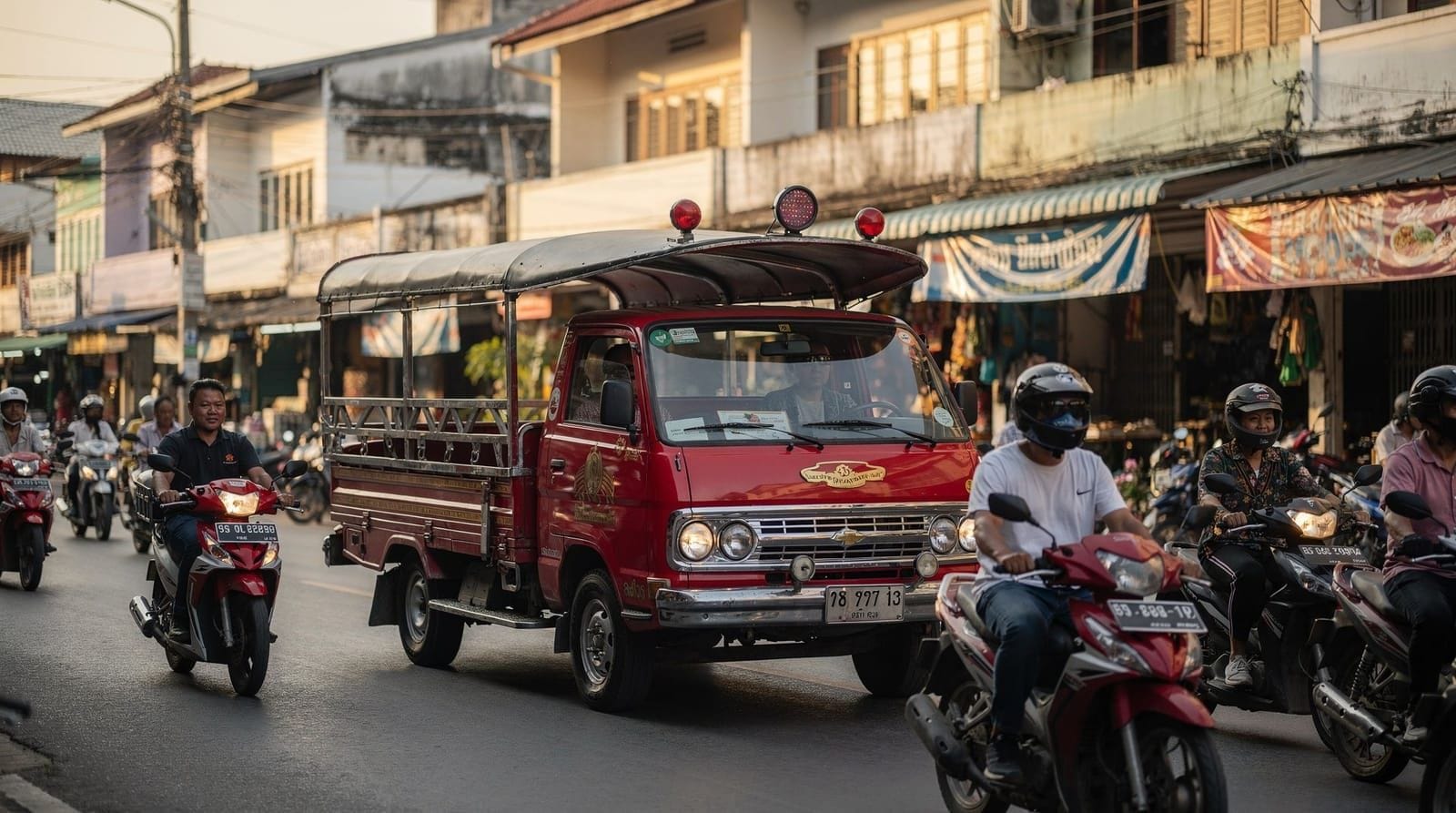
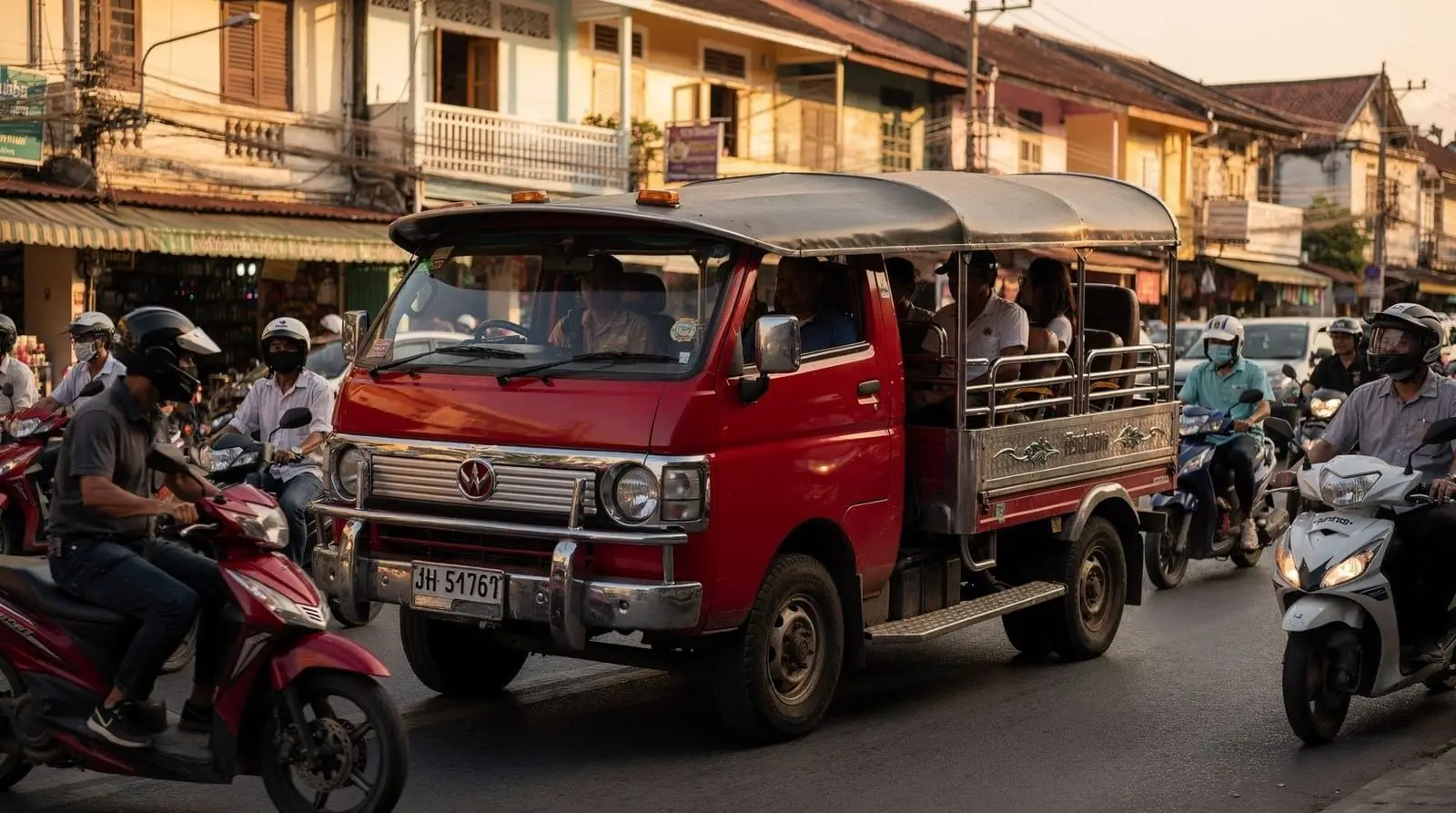
The tuk-tuk’s name comes from the sound of its small two-stroke engine, and the vehicle has been a fixture of Thai city transport for decades, evolving from a practical low-cost taxi into something closer to a tourist experience in its own right in cities like Chiang Mai and Bangkok. In Chiang Mai specifically, tuk-tuks share the road with red songthaews as the two most visible forms of local transport, though songthaews handle more of the day-to-day resident commuting while tuk-tuks lean more heavily into the tourist sightseeing and short-hop transport role covered in this guide.
Why the tuk-tuk suits Chiang Mai specifically
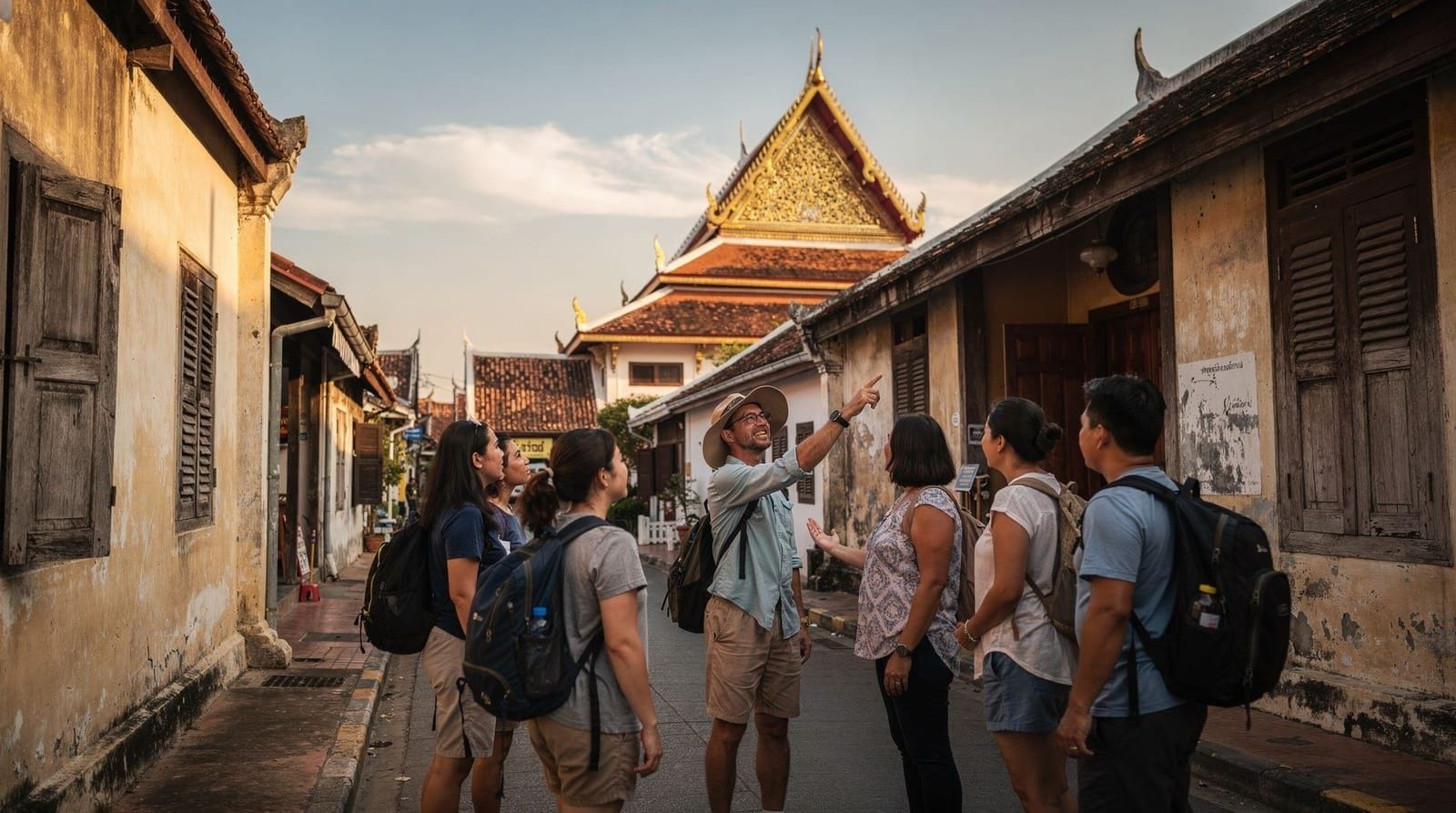
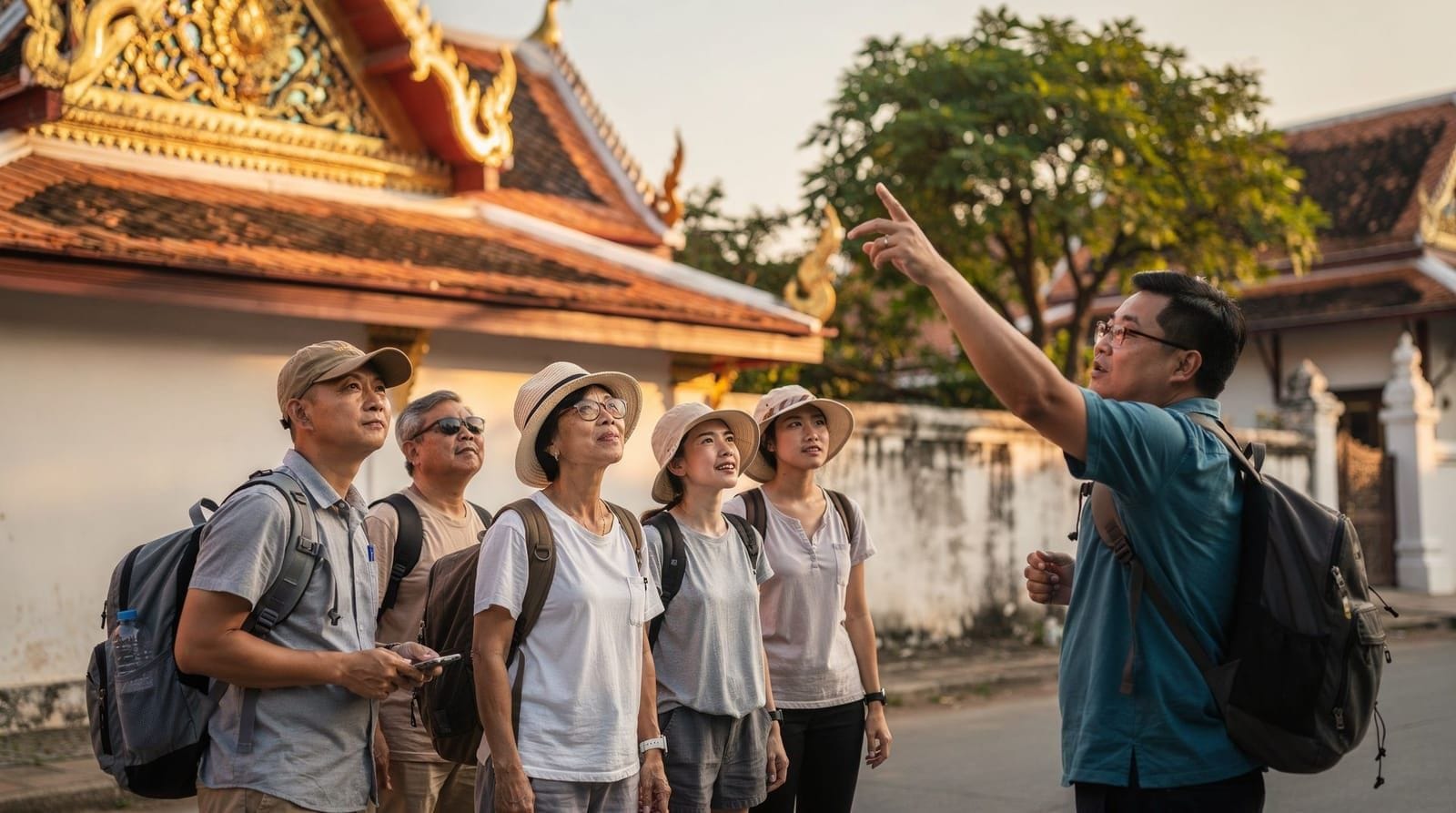
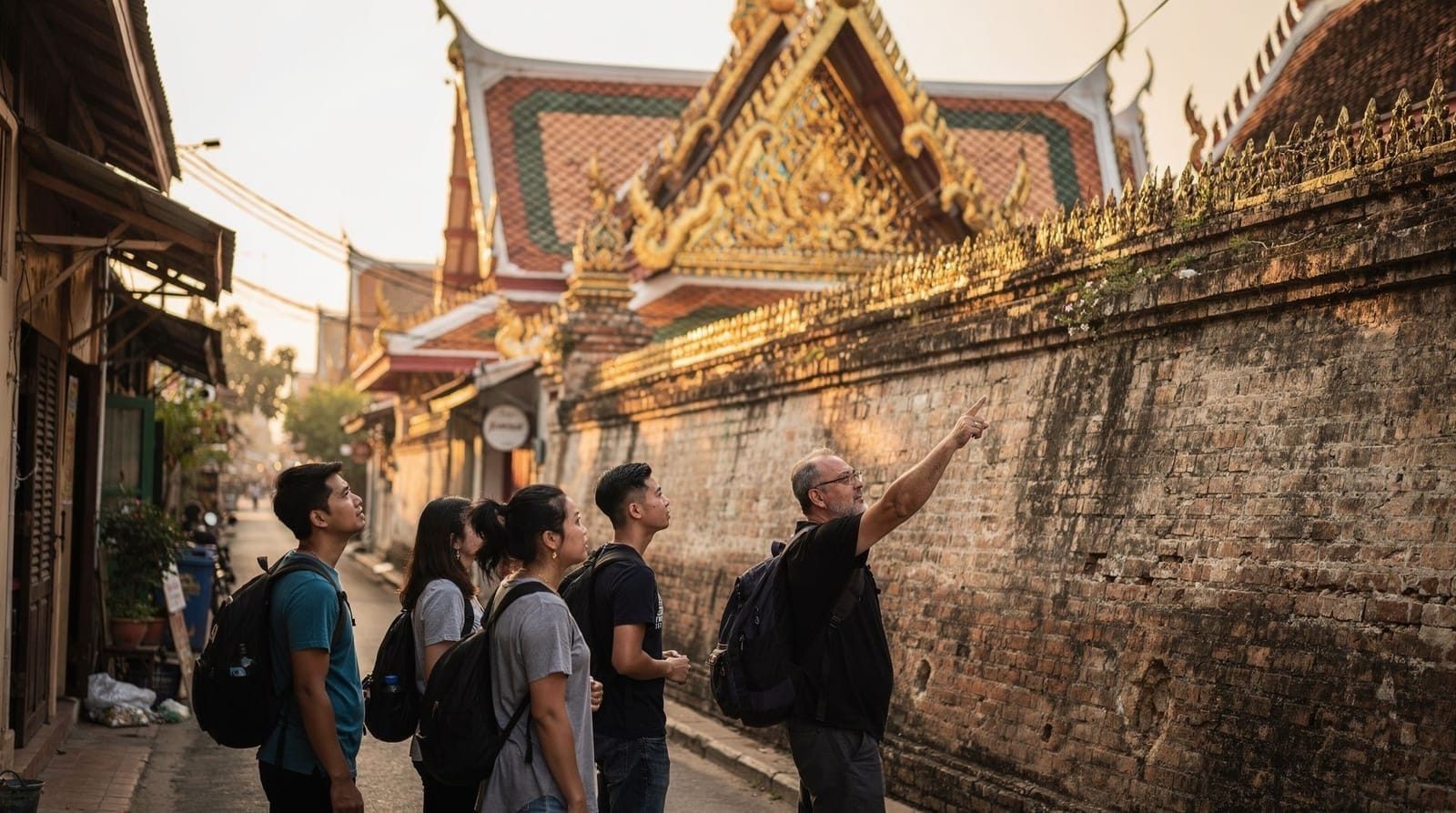
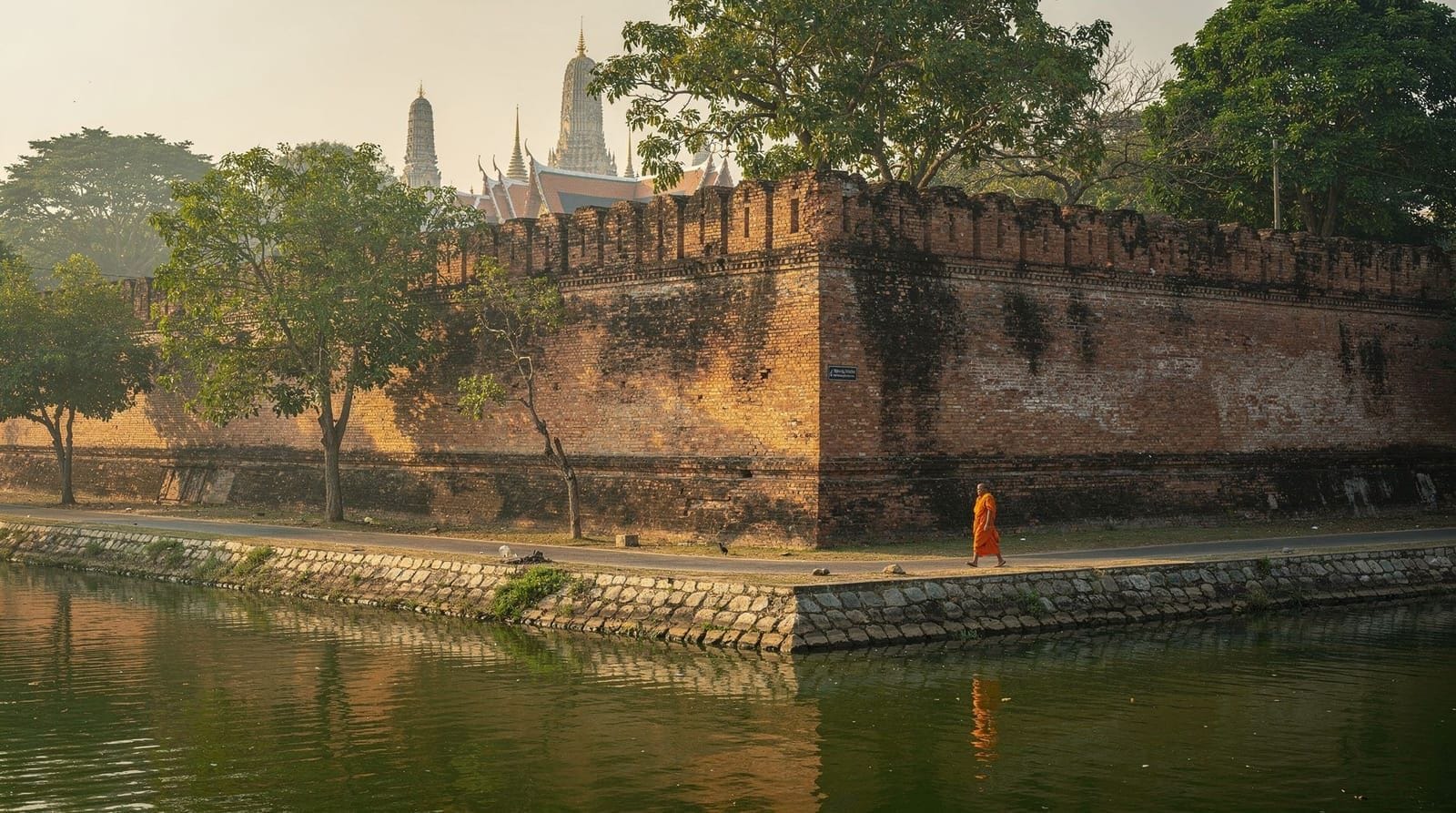
Chiang Mai’s Old City is compact, flat, and largely free of the heavy multi-lane traffic that makes tuk-tuks less pleasant in bigger Thai cities, which is exactly the environment this vehicle works best in - open sides for airflow and unobstructed views, at a pace slow enough to take in temple architecture and street life without the sealed-off feeling of an air-conditioned van. It’s a more atmospheric way to move between Wat Phra Singh, Wat Chedi Luang, and Tha Phae Gate than any enclosed vehicle, and most visitors rate it as one of the more memorable parts of a first Chiang Mai day regardless of how the rest of the tour goes.
The classic half-day private option
A half-day private tuk-tuk city tour is the standout choice for most first-time visitors: your own vehicle, a flexible stop order, and a driver who can adjust pacing without needing to coordinate with a van full of strangers. This format typically covers three to four stops over 3-4 hours, priced for the vehicle rather than per person, which makes it increasingly good value the more people you fit into the tuk-tuk (usually two to three comfortably). Our private versus group tours guide covers the underlying cost math in more detail.
Old City exploration by tuk-tuk
For a slightly more open-ended version focused specifically on the walled Old City rather than a fixed named itinerary, an Old City private tuk-tuk exploration lets you and the driver shape the route together on the day, useful if you already have a rough sense of what you want to see (a specific gate, a particular temple, a market) rather than following a fully preset stop list.
Shared and group tuk-tuk tours
A shared group tuk-tuk city tour, typically run as a small convoy of tuk-tuks following the same guide, brings the per-person cost down noticeably for solo travelers and couples compared to a private booking, at the cost of a fixed schedule and stop order shared with the rest of the group. This is a reasonable choice for a straightforward first orientation loop, and our city tour guide covers exactly what the standard stop sequence includes.
The samlor alternative
A samlor - a three-wheeled pedal cycle distinct from the motorized tuk-tuk, still seen operating around some of the Old City’s quieter streets - offers a slower, quieter, human-powered alternative for travelers who want an even gentler pace. A half-day Old City samlor tour covers similar ground to a tuk-tuk tour but takes longer per stop given the lower speed, which suits a more contemplative pace better than a tightly packed itinerary.
Night tuk-tuk and bike tours
For a genuinely different experience from the standard daytime loop, a night-time option like a night bike tour of the Old City’s highlights catches temple exteriors and chedis lit up after dark, at cooler temperatures than any daytime tour. Some temple interiors close earlier in the evening, so night tours tend to emphasize courtyards, gates, and exterior architecture over interior viharn visits - a worthwhile trade-off for the atmosphere and photography opportunities, less so if seeing inside a specific temple is your priority.
What a fair tuk-tuk fare actually looks like
It’s worth separating tour pricing from point-to-point tuk-tuk fares, since the two are easy to conflate. A booked tour, private or shared, has a fixed price covering a multi-stop itinerary and guide commentary. Simply hailing a tuk-tuk on the street for a single ride - say, from your hotel to a restaurant - should run well under 100-150 THB for most hops within the central area, agreed with the driver before climbing in rather than after arriving. Drivers occasionally quote considerably more to visibly first-time-looking tourists, and a polite counter-offer closer to the range above, or simply switching to Grab, both work as a check on an inflated quote.
Avoiding the gem-shop detour
A specific and genuinely common issue with unbooked, street-hailed tuk-tuk “tours” - as opposed to the platform-booked options covered in this guide - is the unsolicited detour to a gem shop, tailor, or silk factory that pays the driver a commission for bringing in visitors. This is less of a risk with a tour booked through an established platform, since the itinerary and stops are fixed and reviewed publicly, but it’s worth knowing about if you’re ever offered a suspiciously cheap all-day tuk-tuk “tour” directly on the street. A clear, specific itinerary agreed in writing or shown in a listing description is the best protection against this pattern.
Countryside and rural tuk-tuk routes
Beyond the classic Old City loop, a smaller number of operators run tuk-tuk routes reaching just outside the city center - rice-field areas, smaller villages, or a quieter riverside stretch - offering a different flavor of tour from the temple-focused standard. These routes run longer than the classic half-day city loop, typically closer to a full day, and cost more given the extra distance and fuel, but deliver a genuinely different (and generally quieter) experience for travelers who’ve already done the standard Old City circuit on a previous visit or want to see a less touristed side of the region. They’re worth searching for specifically by name or route description rather than assuming every tuk-tuk listing covers the same ground.
What sets a good tuk-tuk tour apart from a mediocre one
The clearest signal of quality on a tuk-tuk tour, beyond the driver’s commentary, is whether the pace feels rushed or unhurried - a good driver reads the group’s interest level and adjusts time at each stop accordingly, rather than mechanically running a fixed clock regardless of what’s happening. A specific, named itinerary in the listing (rather than a vague “several temples”) and reviews describing the actual pace and driver quality rather than generic praise are the two most useful things to check before booking, and they matter more here than in many other tour categories since tuk-tuk operators otherwise cover very similar ground.
Comfort, weather, and what to bring
Since tuk-tuks are open-sided, sun exposure and, during burning season (typically February-April), smoke haze are both worth planning around - a hat, sunscreen, and water bottle make a meaningful difference on a multi-hour daytime tour. The rainy season (June-October) brings mostly short afternoon downpours rather than sustained rain, and most operators simply pause under cover for 15-20 minutes rather than cancelling the tour outright; morning departures reduce the odds of running into an afternoon shower in the first place. The cool season (November-February) is the most comfortable window for an open-air tuk-tuk tour of any length.
Group size and how it changes the experience
Shared tuk-tuk tours run as a small convoy, typically two to four tuk-tuks moving together with a lead guide, rather than a single large vehicle - each tuk-tuk seats two to three people, so a “group tour” here means several tuk-tuks traveling in loose formation rather than everyone crammed into one. This has a practical upside: even a shared booking still delivers something close to the private tuk-tuk experience within your own vehicle, with the group dynamic mostly limited to a shared schedule and simultaneous stops rather than a cramped shared ride. It’s one of the more pleasant group-tour formats in Chiang Mai for exactly this reason.
Tuk-tuk tours with kids
Tuk-tuks are open-sided without the seatbelts or child seats a family car might have, which is worth factoring in for families with very young children - most operators can accommodate children on a parent’s lap for shorter routes, but check the specific vehicle and safety setup with the operator if you’re traveling with a toddler. For families with older kids, the tuk-tuk’s novelty factor often makes it one of the more enjoyed parts of a Chiang Mai city day. Our Chiang Mai with kids guide covers age-appropriate transport and sightseeing choices in more depth.
A sample tuk-tuk tour, stop by stop
A representative half-day private tuk-tuk tour begins with pickup around 8-9am, when temperatures and crowds are both at their lowest for the day. The tuk-tuk typically reaches Wat Phra Singh first, allowing 30-40 minutes to see the main viharn and the Lai Kham chapel, then a short five-to-ten-minute ride to Wat Chedi Luang for a similar duration exploring the ruined chedi and city pillar shrine. From there, drivers commonly add either Wat Chiang Man or a market stop before a final photo stop at Tha Phae Gate and the drive back to your hotel, usually wrapping by around noon or early afternoon depending on the start time.
Choosing between operators
Since most tuk-tuk tour operators cover a broadly similar Old City route, the practical differences come down to driver experience and commentary quality, the specific stop list, and whether the vehicle is a standard three-wheeler or a slightly larger, more comfortable model. Reviews mentioning the driver by name, describing the depth of historical commentary, or noting a particularly smooth and flexible pace are more useful signals than an aggregate star rating when two similarly priced listings look otherwise identical.
Combining a tuk-tuk tour with other activities
A half-day tuk-tuk tour pairs naturally with a cooking class, spa visit, or independent café time the same day, since it typically wraps by early afternoon and leaves the rest of the day free. It’s a less natural pairing with a full-day activity like an elephant sanctuary visit, which has its own extended time commitment - better scheduled on a separate day. Our half-day versus full-day tours guide covers this scheduling logic in more depth if you’re planning a multi-day stay around several different activities.
Photography from a tuk-tuk
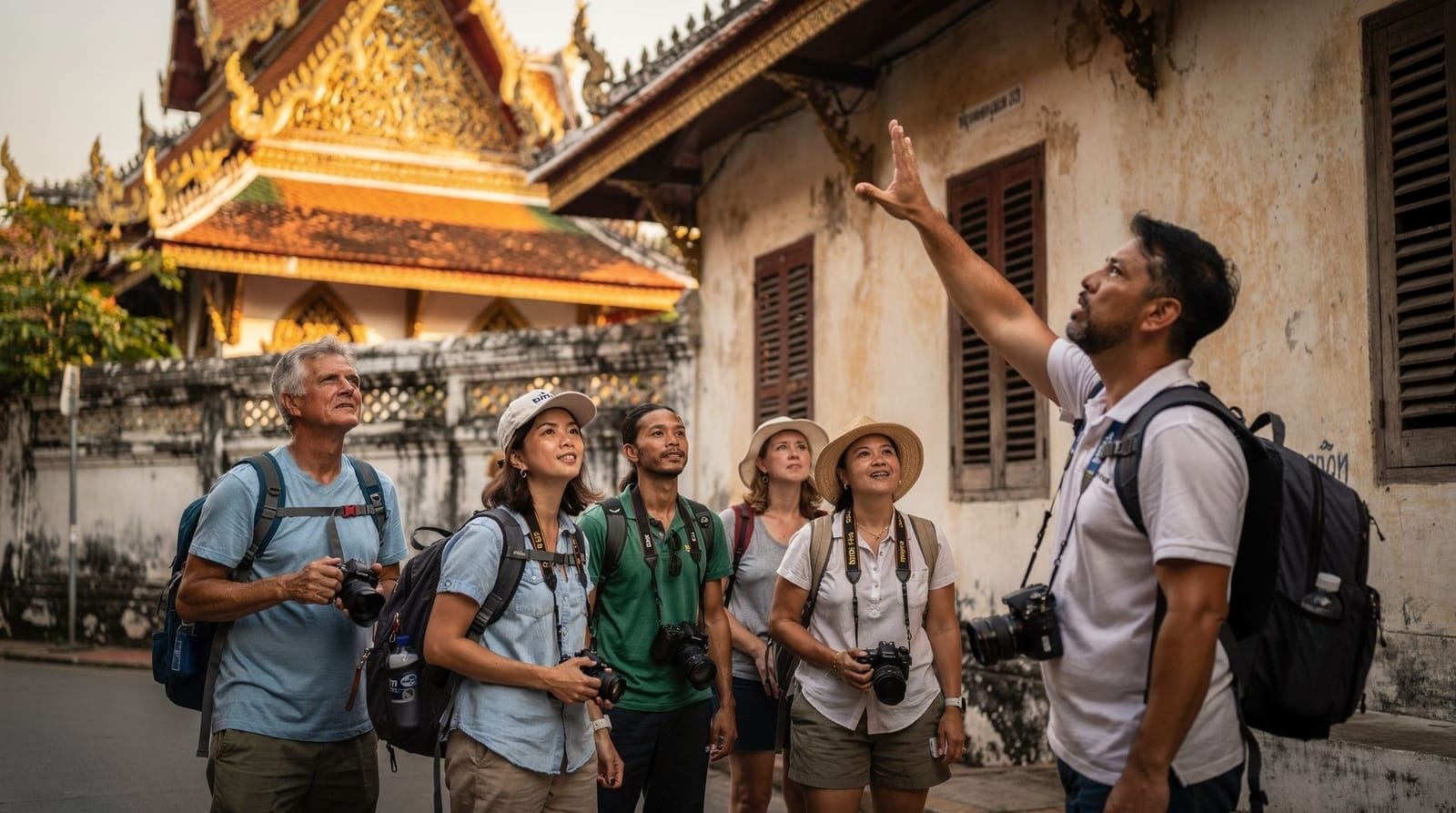
Tuk-tuks make a genuinely good photography platform given their open sides and unobstructed views, and a private booking gives more freedom to ask the driver to slow down or pause briefly for a shot than a shared tour running to a fixed group schedule. Morning departures generally deliver both softer light and fewer other tourists in frame at the same stops compared to a mid-morning or afternoon tour - a meaningful consideration if photography is one of your priorities for the day.
Tuk-tuk etiquette and safety basics
Tuk-tuks have open sides and no seatbelts in the traditional sense, so holding on through turns and being mindful of bags or loose items near the open edges is sensible, particularly on any stretch with faster-moving traffic outside the Old City’s quieter streets. Drivers on booked tours are licensed and experienced with the standard routes; the same basic caution applies whether on a booked tour or a hailed street ride. None of this should be treated as alarming - tuk-tuk tours are a routine, low-risk part of visiting Chiang Mai for the overwhelming majority of travelers.
Booking and practical tips
Book through a platform showing recent, specific reviews and a clear stop list rather than a vague description, confirm whether temple entrance fees are included, and check that your hotel falls within the standard pickup zone covering the Old City, Nimmanhaemin, and the riverside near Ping Riverside. A small tip of 100-200 THB (about USD 3-6) for the driver at the end of a half-day tour is customary though not obligatory, adjusted upward for a driver who’s gone out of their way with an extra stop or flexible pacing. Our best Chiang Mai tours guide and hop-on hop-off Chiang Mai guide both cover how tuk-tuk options fit into the wider landscape of getting around the city.
Who a tuk-tuk tour suits best
A tuk-tuk tour suits travelers who want a slower, more atmospheric first look at the city rather than the fastest or most air-conditioned option available, and who don’t mind open-air exposure to sun, heat, or the occasional short rain shower in exchange for unobstructed views and a genuinely memorable ride between temples. It’s a poor match for anyone with significant mobility limitations that make climbing into an open-sided vehicle difficult, or for the hottest hours of the hot season if heat sensitivity is a real concern - in either case, a private air-conditioned car tour covers the same stops with a different comfort trade-off. For most first-time visitors without those specific constraints, though, the classic Old City tuk-tuk tour remains one of the more distinctly Chiang Mai ways to spend a first morning in the city.
Frequently asked questions about Best tuk-tuk tours in Chiang Mai
How much should a tuk-tuk tour in Chiang Mai cost?
Is a tuk-tuk tour safe in Chiang Mai?
What's the difference between a tuk-tuk tour and just hailing a tuk-tuk?
Do tuk-tuk tours run at night?
Can a tuk-tuk tour go outside the Old City?
Is haggling expected on a tuk-tuk tour?
Top experiences
Bookable activities with verified prices and instant confirmation on GetYourGuide.