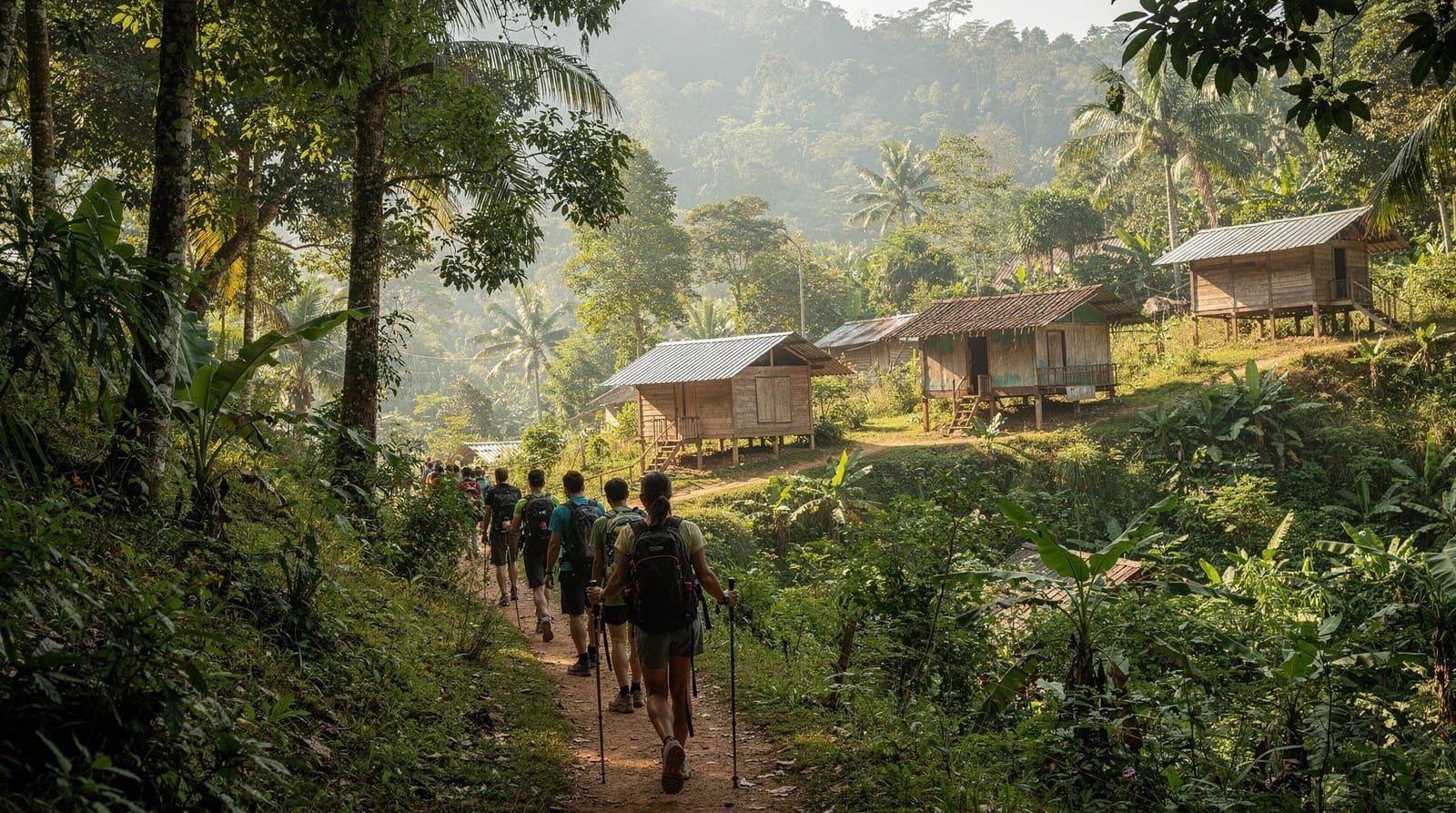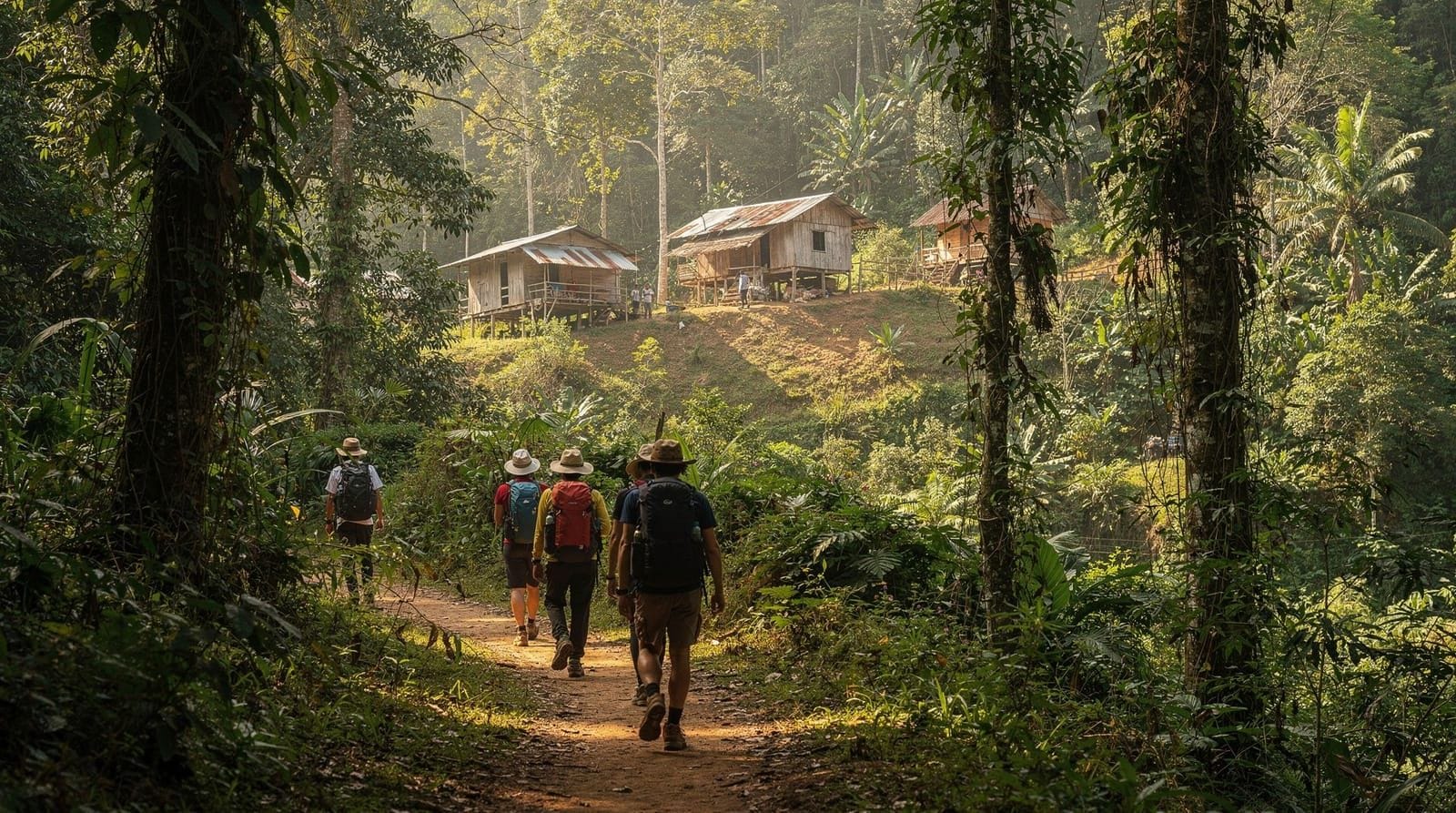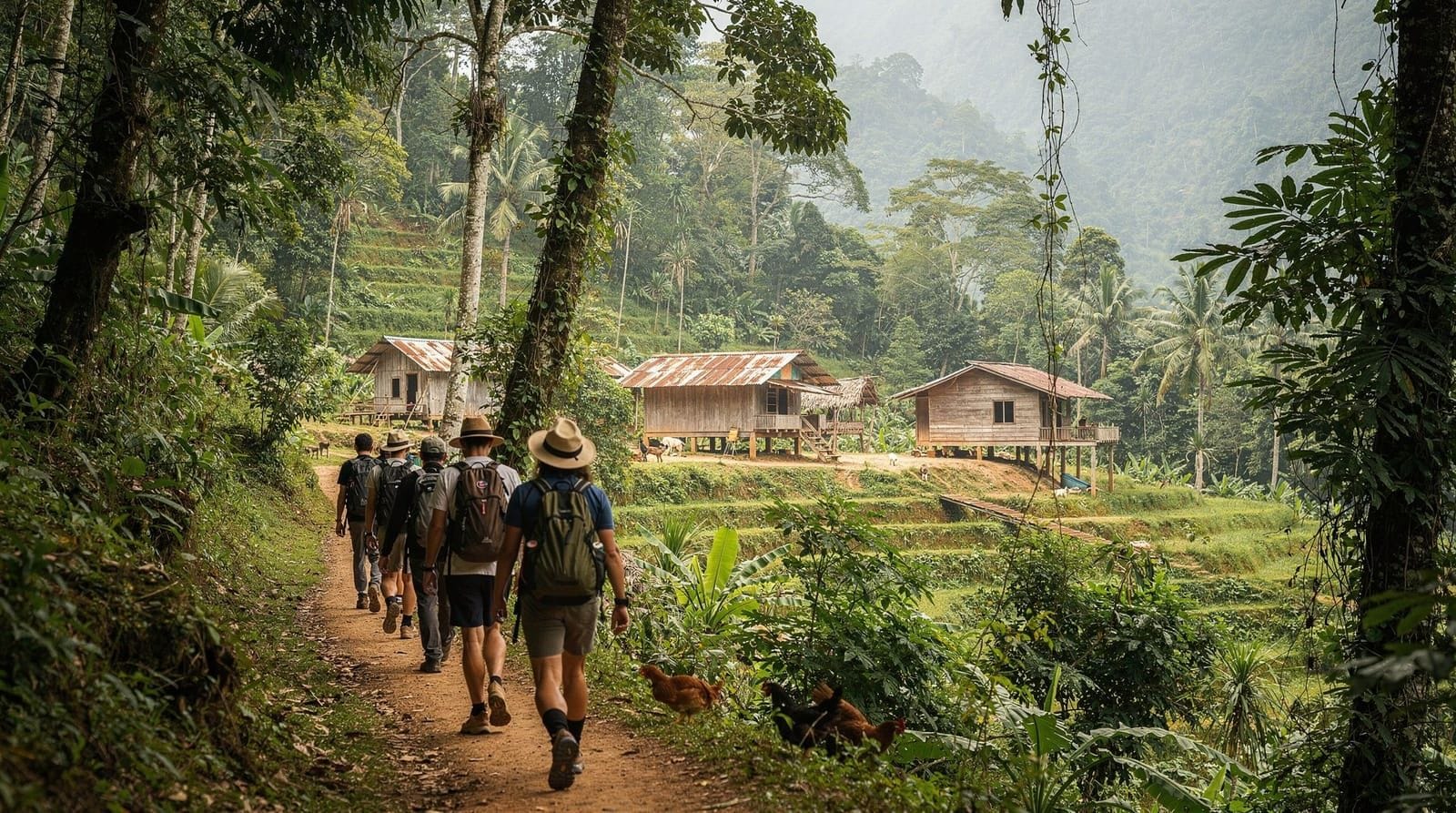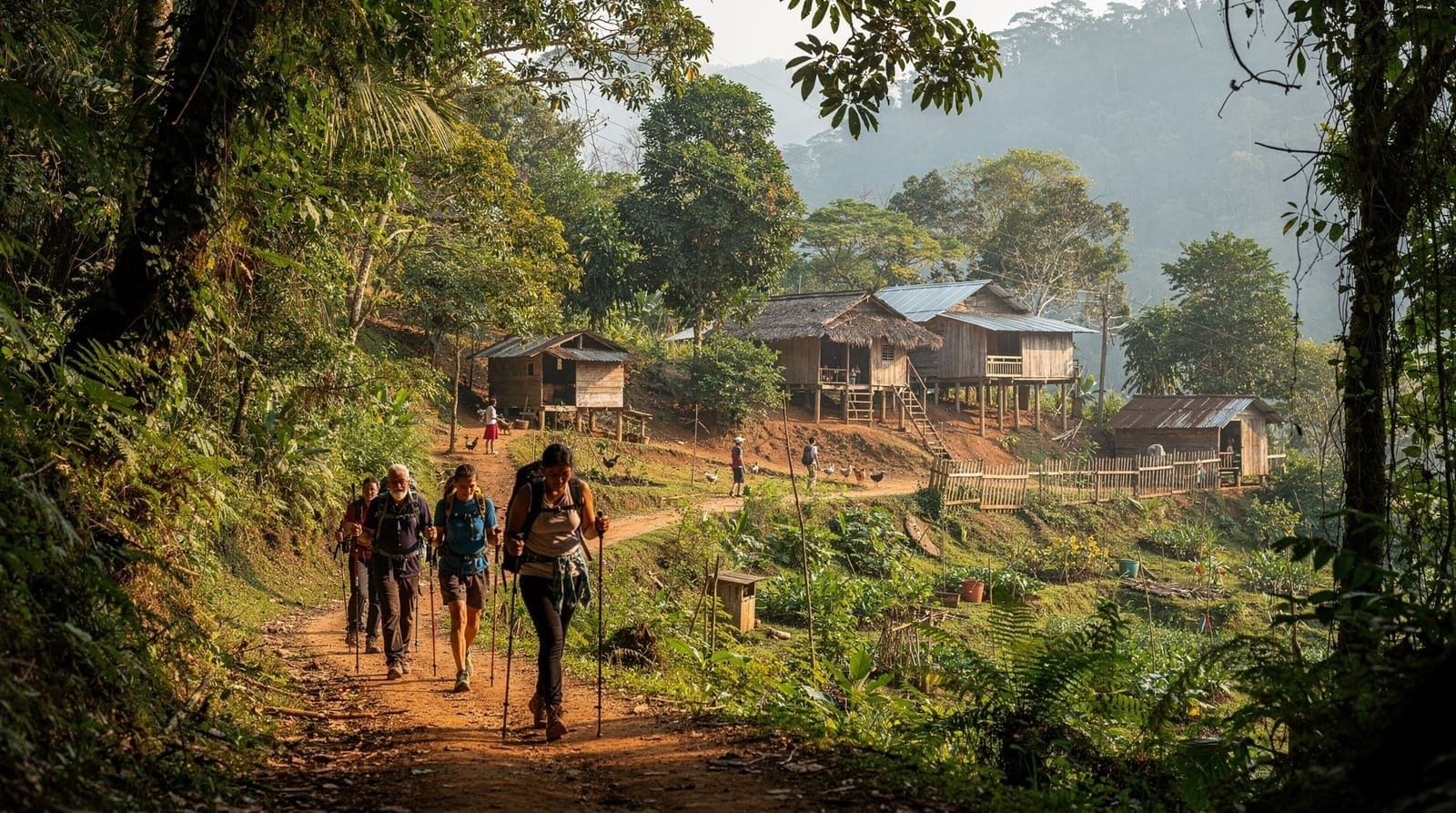
Best time to trek near Chiang Mai: season by season
Chiang Mai: 1-Day Trekking Experience to Village & Waterfall
Duration: Full day
What's the best month to go trekking near Chiang Mai?
November through February, the cool, dry season, offers the most comfortable trekking conditions: firm trails, clear skies, and cool enough temperatures for a few hours of uphill walking. March through May brings heat and northern Thailand's burning-season haze (worst February-April). June through October is the rainy, green season, with mud, leeches on some routes, and fuller waterfalls, but also fewer crowds and lusher scenery.
Trekking works year-round near Chiang Mai, but “works” covers a wide range of experiences, from a firm, clear-skied cool-season hike to a muddy, leech-prone slog in the wrong part of the rainy season. Knowing which season you’re booking into, and what trade-off that season involves, makes a real difference to how much you enjoy a trek you’ve likely built a significant part of your trip around. This guide breaks the year down month by month for trekking specifically, distinct from the general climate patterns covered in our broader seasonal guide.
Month-by-month trekking conditions
| Month | Conditions | Trekking verdict |
|---|---|---|
| November | Rain tapering off, trails drying, greenery still lush | Excellent |
| December | Driest, coolest, clearest skies of the year | Excellent, peak crowds |
| January | Cool, dry, clear | Excellent, peak crowds |
| February | Warming up, haze beginning | Good, haze increasing |
| March | Hot, haze building | Fair, hazy views |
| April | Hottest month, peak haze, Songkran | Poor for strenuous walking |
| May | Hot, first pre-monsoon rain | Fair, haze clearing |
| June | Rains begin, still relatively light | Good, green and quieter |
| July | Steady rain, green season in full swing | Good, occasional reroutes |
| August | Peak rainfall in many areas | Fair, mud and possible leeches |
| September | Heavy rain continues | Fair, mud and possible leeches |
| October | Rain tapering off toward season’s end | Good, improving conditions |
Cool season (November-February): the reliable choice
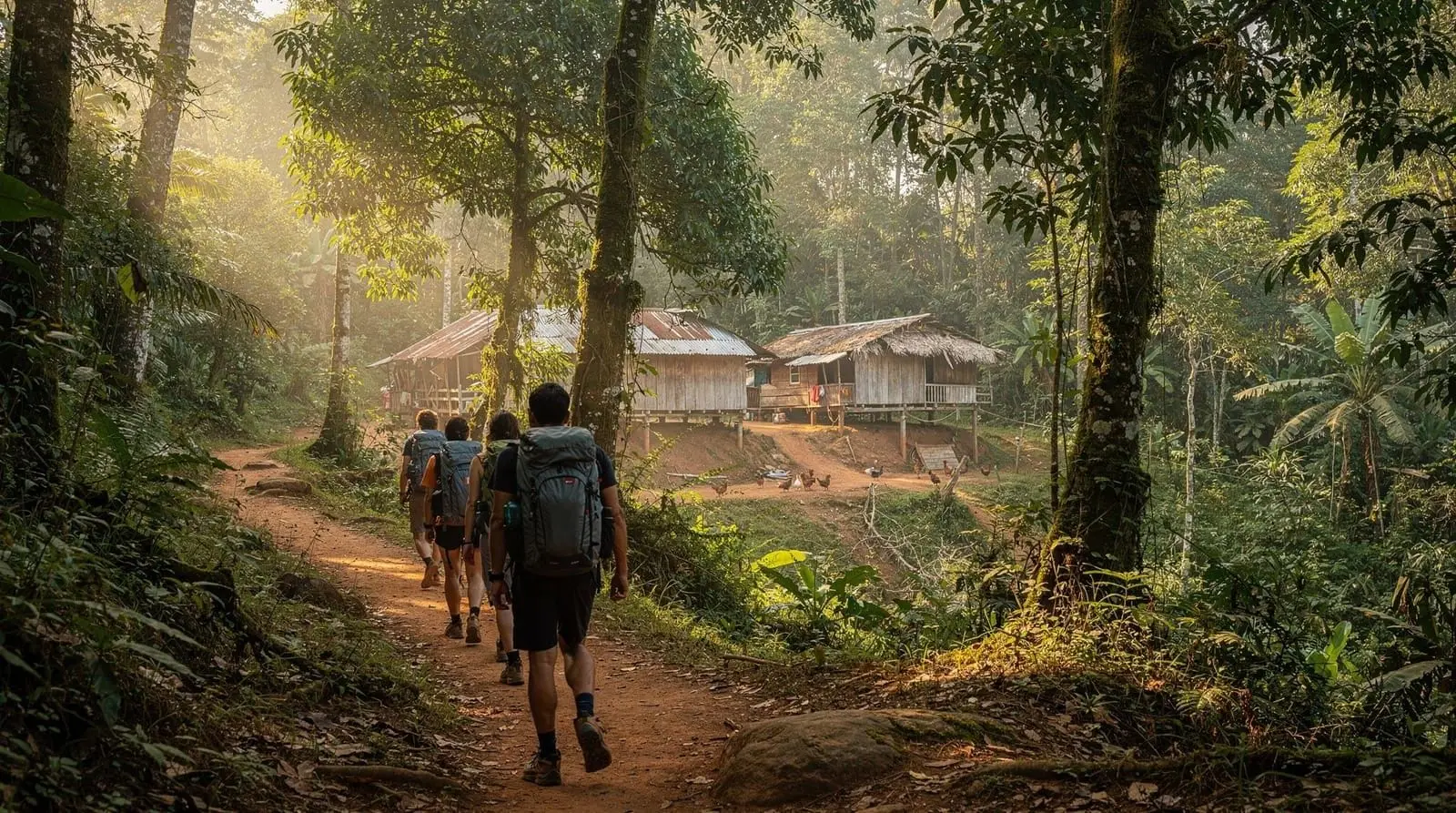
This is the season most trekking operators, and most guidebooks, recommend by default, and for good reason. Trails run firm and dry, skies are typically clear enough for genuine mountain views, and daytime temperatures sit comfortably in the low-to-mid 20s Celsius at lower elevations, cooler still at altitude on routes like Doi Inthanon. Mornings can be genuinely cool, sometimes requiring a light jacket at the start of a hike before the day warms up, particularly on ridge routes or at higher village elevations. A one-day trekking experience to a village and waterfall in the Doi Inthanon area is a good example of a route that benefits most from cool-season timing, since clear skies make the most of the park’s elevation and views.
The trade-off is popularity: this is peak season for Chiang Mai tourism generally, and the most accessible trekking regions, particularly Mae Wang, see meaningfully more visitors during these months than at other times of year. Booking a smaller-group or private option, or choosing quieter terrain like Chiang Dao, covered in our route comparison guide, is a reasonable way to keep the cool season’s weather benefits while avoiding its crowds. December and January specifically book out furthest in advance, particularly around the Christmas and New Year holiday overlap, so reserving a multi-day trek several weeks ahead rather than on arrival is worth doing if your trip falls in this exact window.
Overnight temperatures during the cool season can genuinely surprise travelers who’ve only experienced Chiang Mai’s daytime warmth. Village stays at higher elevation, or simply exposed bamboo longhouse sleeping arrangements at lower elevation, can feel cold enough overnight to want a proper sleeping layer beyond what most travelers pack for a tropical trip, a detail covered in more depth in our packing guide.
Hot season (March-May): heat plus haze
March through May brings noticeably higher temperatures, often reaching the mid-30s Celsius by midday even before accounting for humidity, which makes strenuous midday walking genuinely uncomfortable and pushes most operators toward earlier starts and shorter walking windows during the hottest hours. Layered onto the heat is northern Thailand’s burning season, roughly February through April, when agricultural burning and forest fires across the wider region produce persistent haze that can significantly reduce visibility and air quality. Our dedicated burning-season guide covers this in full, but the short version for trekking specifically: haze doesn’t stop treks from running, and the walking itself is unaffected, but long-distance mountain views get noticeably duller, and visitors with asthma or other respiratory sensitivity may want to reconsider strenuous outdoor activity during the worst weeks, typically March into early April.
April specifically combines the season’s peak heat with lingering haze, making it, for most trekkers, the single least comfortable month to book a demanding multi-day route. May brings the first pre-monsoon rains, which can actually help clear haze somewhat while temperatures remain high.
Operators generally adjust for the hot season by starting even earlier, sometimes before 7am, to complete the most strenuous walking sections before the day’s peak heat sets in around midday. If you’re set on trekking during March through May regardless of the conditions, favor routes with more shade, forested lower valleys rather than exposed ridge trails, and build in longer rest stops and more frequent water breaks than you might during the cooler months. Waterfall stops become an even more welcome break during these months than at other times of year, offering a genuine way to cool down mid-hike rather than simply a scenic pause.
Rainy season (June-October): mud, leeches, and lush green
The rainy season gets an unfairly poor reputation for trekking specifically, since it comes with real, genuine upsides alongside its practical downsides. Waterfalls run at their fullest and most dramatic, the jungle is noticeably greener and less dusty than during the dry months, and crowds thin out considerably compared to the cool-season peak. The downsides are practical rather than dealbreaking for most travelers: trails get muddy and slower to walk, occasional heavy downpours can force a route reschedule or reroute, and leeches become a genuine, if manageable, presence on lower, wetter jungle trails, covered in more detail in our packing guide for multi-day treks. A two-day Karen village homestay with meals runs through the rainy season the same as any other, and a good operator will be upfront about current trail conditions and any rerouting rather than pushing ahead regardless.
Rainfall patterns within the rainy season itself aren’t uniform either. Early rainy season, June and into July, tends to bring shorter, more predictable afternoon showers with clear mornings, while August and September typically see the heaviest, most sustained rainfall of the year across most of northern Thailand, and this is when mud and leech conditions are most pronounced on lower routes. October generally sees rainfall tapering off, trails beginning to firm up again, and a genuine argument for being one of the better-value months to trek: greener than the dry season, drier than peak rainy months, and with noticeably thinner crowds than November onward.
One specific rainy-season detail worth knowing: Doi Inthanon’s popular Kew Mae Pan ridge trail is typically closed roughly June through October, since the exposed ridge terrain becomes unstable and unsafe in wet conditions. If that specific trail is a priority, plan your Doi Inthanon visit for the cool or hot dry season instead; see our Doi Inthanon hiking trails guide for the full seasonal picture on that park’s trails specifically.
Leeches: when and where, honestly
It’s worth being direct about this rather than treating it as a minor footnote, since it’s one of the most common questions from first-time trekkers. Leeches are almost entirely a rainy-season phenomenon on lower, wetter, more densely vegetated jungle trails, essentially absent during the cool and hot dry seasons across the vast majority of routes. They’re unpleasant to encounter but not dangerous, easily managed with leech socks, tucked-in trousers, and a quick check at rest stops, and removed without drama using a lighter, salt, or simply flicking them off. If leeches are a genuine concern for your trip, ask your operator directly whether their specific route runs through leech-prone terrain during the months you’re visiting, since this varies meaningfully by trail rather than applying uniformly across the whole rainy season.
Festivals that overlap with trekking season
Two of Chiang Mai’s biggest festivals fall within the trekking calendar and are worth factoring into your timing either as a draw or a scheduling constraint. Songkran, the Thai New Year water festival covered in our dedicated Songkran guide, falls in mid-April, right at the peak of the hot and hazy season, and while it doesn’t affect village trekking areas as dramatically as it does the city center, transport and logistics around Chiang Mai can be disrupted for several days. Loy Krathong and Yi Peng, the lantern festivals covered in our Yi Peng lantern festival guide, typically fall in November, right at the start of the cool season’s best trekking window, and combining a trek with the city’s lantern celebrations makes for a genuinely well-timed itinerary if your dates line up. Neither festival directly changes trail conditions, but both affect flight prices, hotel availability, and overall crowd levels worth planning around.
Photography and views by season
If mountain views and clear photography matter to your trip, timing shifts meaningfully by season. December and January offer the clearest air and the best long-distance visibility from ridge trails and viewpoints, making them the strongest months for landscape photography on routes like Doi Inthanon’s Kew Mae Pan trail or Chiang Dao’s higher viewpoints. February onward, haze gradually builds and view quality degrades through the hot season, bottoming out in March and April. The rainy season brings its own photographic upside, dramatic cloud formations, fuller waterfalls, and genuinely vivid greenery, even though ridge-top panoramic views are more likely to be obscured by cloud cover on any given day.
Shoulder seasons: a reasonable compromise
Early November and late May sit at the edges of the main seasons and offer a reasonable middle ground for travelers who can’t align their trip with peak cool-season timing. Early November typically has drying trails and improving weather without the full crowd levels of December and January, while late May sometimes has a brief window between the worst of the hot-season heat and the heaviest rains, though this is less predictable than the November shoulder. Neither shoulder period guarantees ideal conditions, but both are worth considering over the true extremes of April or the wettest rainy-season months if your travel dates have some flexibility.
Elevation matters as much as the calendar
Beyond the broad seasonal patterns, elevation itself changes conditions meaningfully across northern Thailand’s trekking regions. Lower valleys around Mae Wang and Mae Taeng, mostly under 500m elevation, run noticeably warmer and are more prone to the season’s mud and leech issues during the rains. Doi Inthanon’s summit area, at 2,565m, and higher village elevations around Mae Hong Son run genuinely cooler year-round, cold enough for a real jacket on cool-season mornings regardless of how warm Chiang Mai city feels at the same time. This means a single seasonal recommendation doesn’t apply uniformly across every route; a rainy-season trek at higher elevation can feel considerably more comfortable than one in a low, humid valley during the same week, worth factoring in alongside our route comparison guide when choosing both a season and a specific region.
Which season suits which kind of trip
A first-time multi-day trek, or one where clear views and comfortable walking conditions matter most, is best scheduled for the cool season despite the crowds. A budget-conscious trip, or one where fewer other trekkers and lush scenery matter more than guaranteed dry trails, can do well in the rainy season with appropriate packing, covered in our multi-day trek packing guide. A trip built primarily around a single-day trek rather than a multi-day commitment, covered in our one-day trekking guide, carries less seasonal risk overall, since a shorter, more flexible format is easier to reschedule or adjust than a longer multi-day itinerary if weather turns uncooperative on a specific day.
Booking around the calendar
If your travel dates are flexible, the cool season (November-February) remains the safest default for a first Chiang Mai trek, balancing comfort against crowding. If you’re visiting during the hot season, plan for early starts, extra sun protection, and realistic expectations about haze if mountain views matter to your trip; our dry-season and cool-season guide covers this timing in more depth. If you’re visiting during the rainy season, whether by choice for the greener scenery and thinner crowds, or simply because that’s when your trip falls, our rainy-season guide covers what to expect across the city more broadly, and packing appropriately (covered in our multi-day trek packing guide) matters more during these months than at any other time of year. Month-by-month specifics, including average rainfall and temperature, are covered in our Chiang Mai weather by month guide if you want to plan against a specific travel window.
A final word on flexibility
If there’s one takeaway from comparing these seasons directly, it’s that no month rules out trekking entirely, and no month is flawless either. Cool season buys you reliability at the cost of crowds and advance booking; rainy season buys you quiet trails and lush scenery at the cost of mud and the occasional reroute; hot season buys you thinner crowds and lower prices at some operators at the cost of heat and haze. Matching your own priorities, whether that’s guaranteed clear views, avoiding crowds, or simply working around whatever dates your trip already has, to this trade-off is more useful than chasing a single “best” month that doesn’t actually account for what you personally value most in a trek.
Frequently asked questions about the best trekking season near Chiang Mai
Is it possible to trek during the rainy season?
Yes, and many operators run treks year-round, but expect muddier trails, a real chance of leeches on lower, wetter routes, and occasional rerouting after heavy rain. Waterfalls run fuller, and villages are notably greener than in the late dry season.
When is burning season and does it affect trekking?
Roughly February through April, when agricultural and forest fires produce persistent haze. It doesn’t stop treks from running, but it dulls mountain views and can affect visitors with respiratory sensitivity.
Are there fewer leeches at certain times of year?
Yes. Leeches are almost entirely a rainy-season issue (roughly June-October) on lower, wetter jungle trails. During the cool and hot dry seasons, they’re a non-issue on the vast majority of routes.
Is the cool season too crowded for a good trekking experience?
Cool season (November-February) is peak booking period, so popular routes near Mae Wang can feel busier. Choosing a smaller group size or a quieter region like Chiang Dao is a reasonable trade-off.
Is Kew Mae Pan trail open year-round?
No. It’s typically closed roughly June through October during the rainy season, when the ridge becomes unstable. Visit during the cool or hot dry season if this trail matters to your plans.
What’s the hottest, least comfortable time to trek?
April, combining peak heat with the tail end of burning-season haze, is generally the least comfortable window for strenuous daytime walking. Early morning starts help, but many trekkers prefer to avoid this month if their schedule allows flexibility.
Top experiences
Bookable activities with verified prices and instant confirmation on GetYourGuide.