What to pack for a multi-day trek near Chiang Mai
Chiang Mai: 2-Day Hidden Jungle Trek & Local Hill-Tribe Stay
Duration: Multi-day
What's essential to pack for a multi-day Chiang Mai trek?
Broken-in trail shoes, quick-dry clothing, a headlamp for villages without reliable electricity, insect repellent, a dry bag for electronics, a basic first-aid kit, and cash in small denominations. Most operators supply a sleeping mat and mosquito net at the village stay; few supply towels, medication, or a torch, so plan around what's genuinely provided rather than assuming.
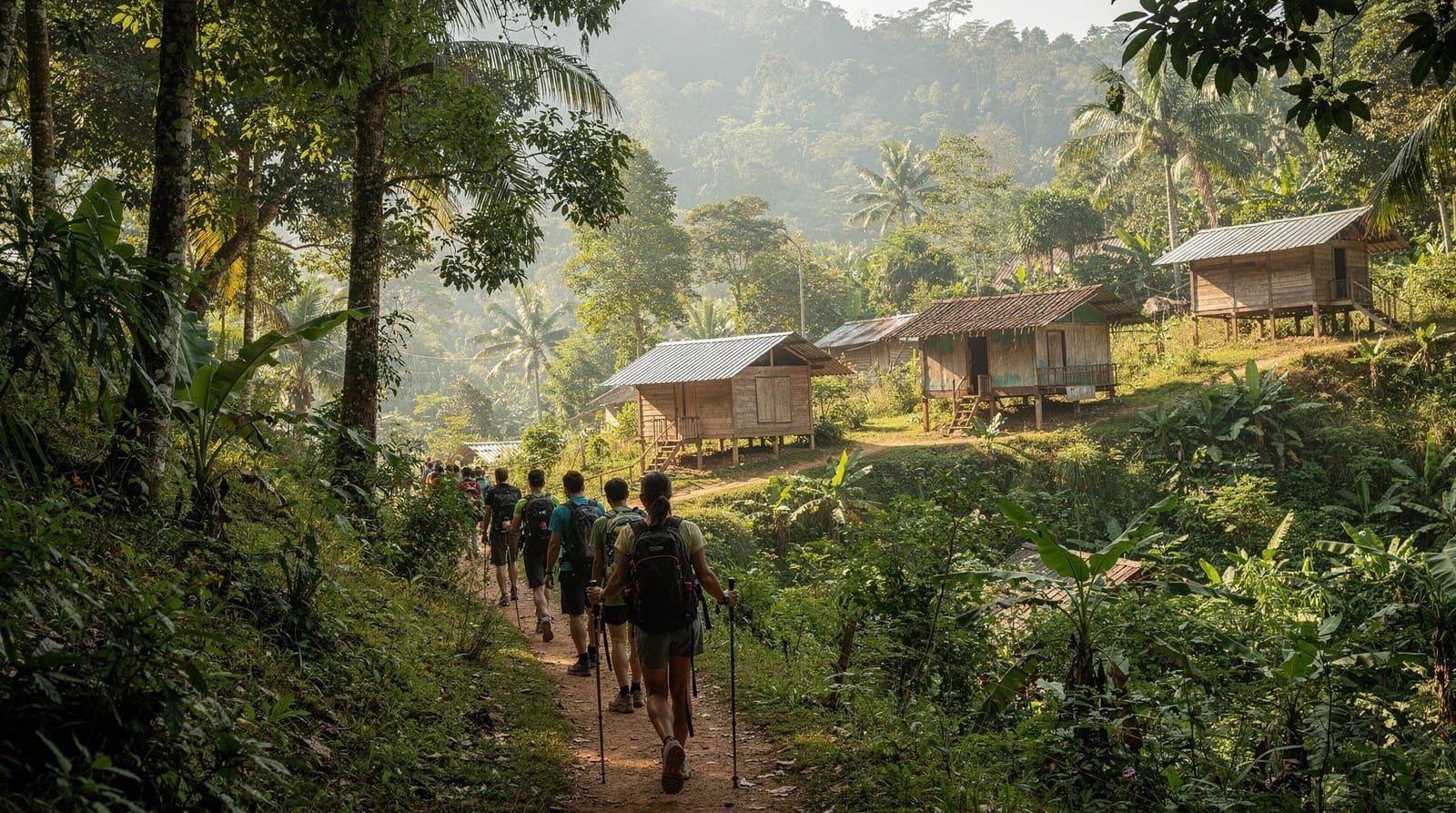
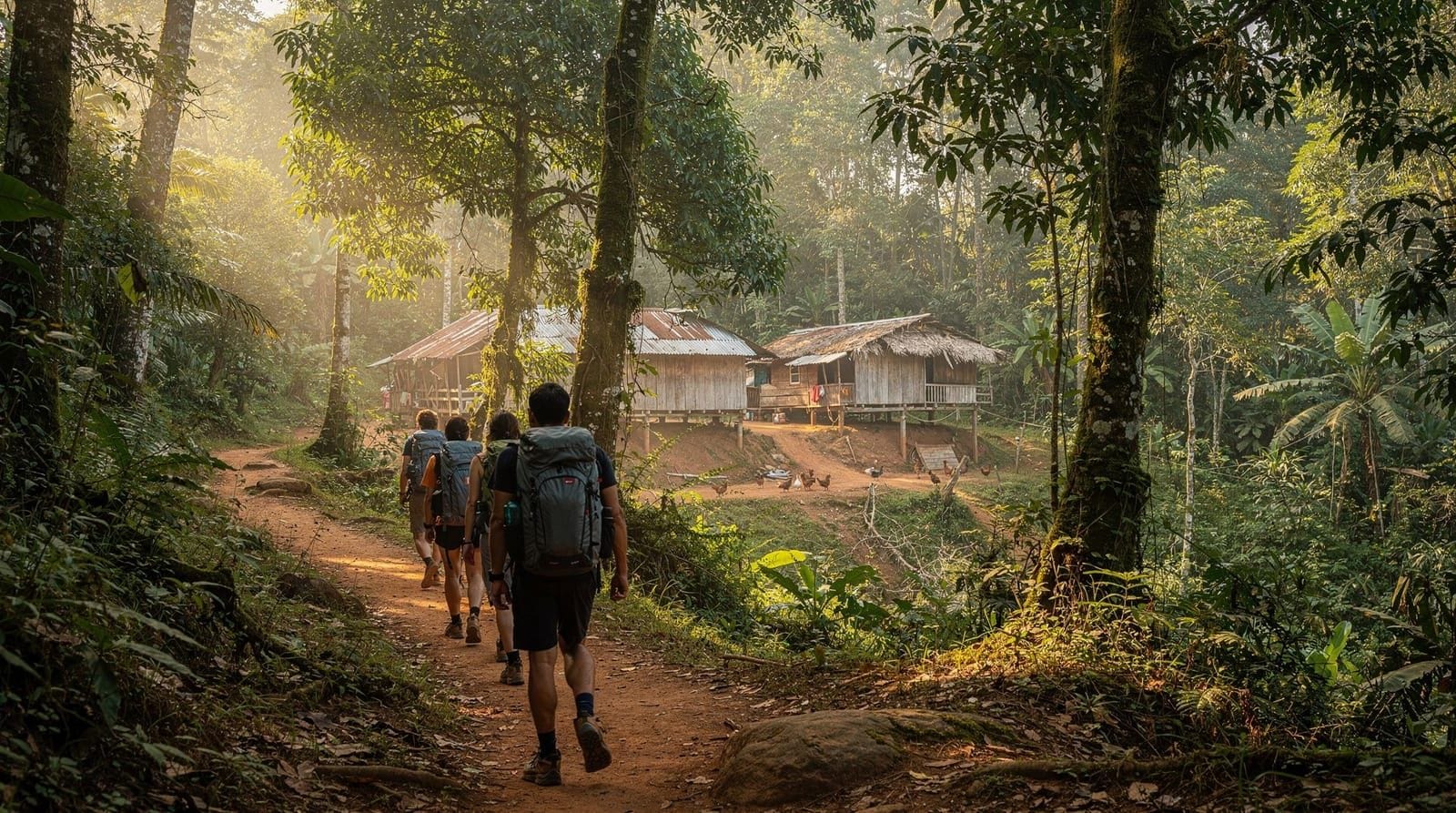
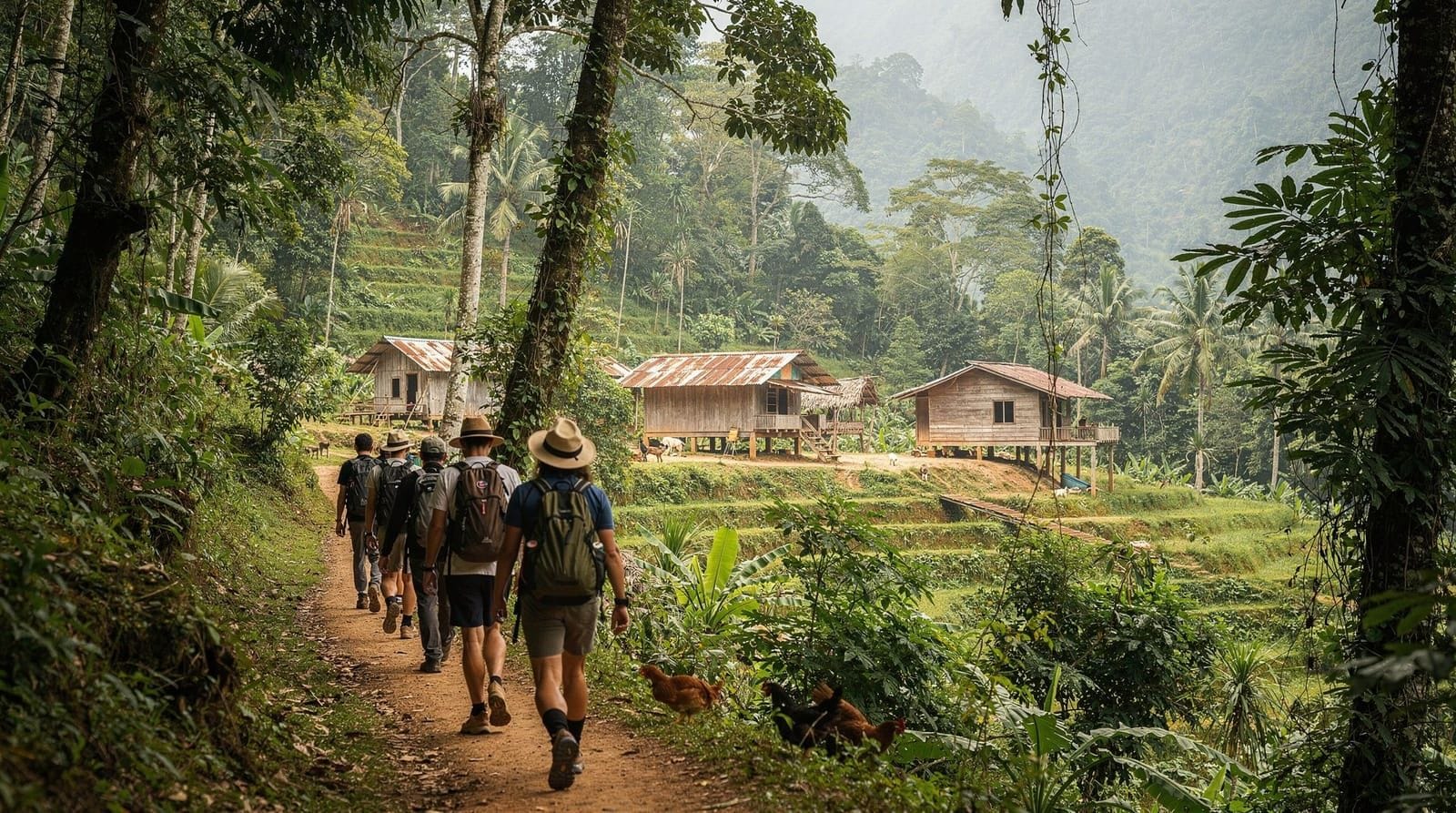
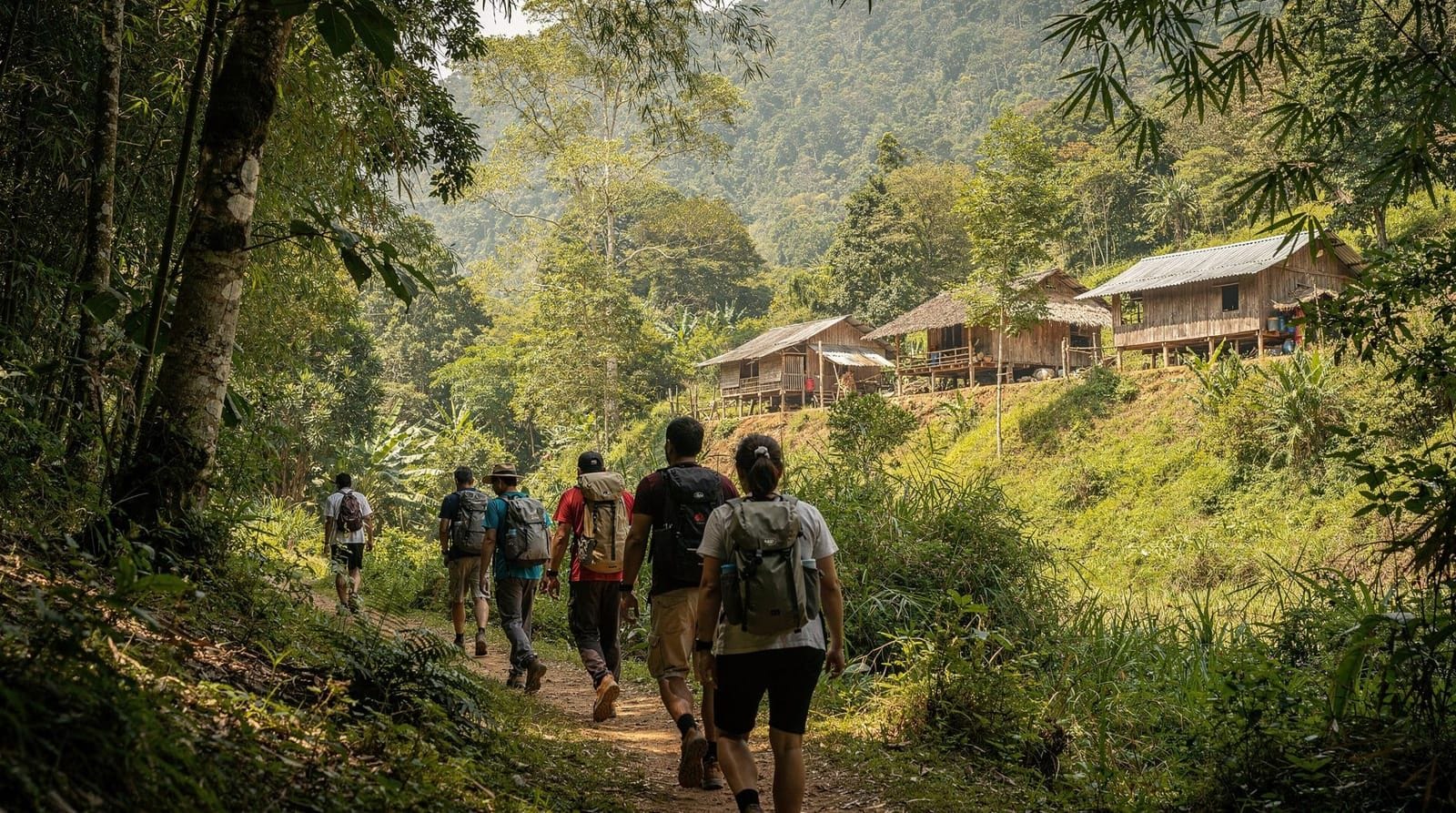
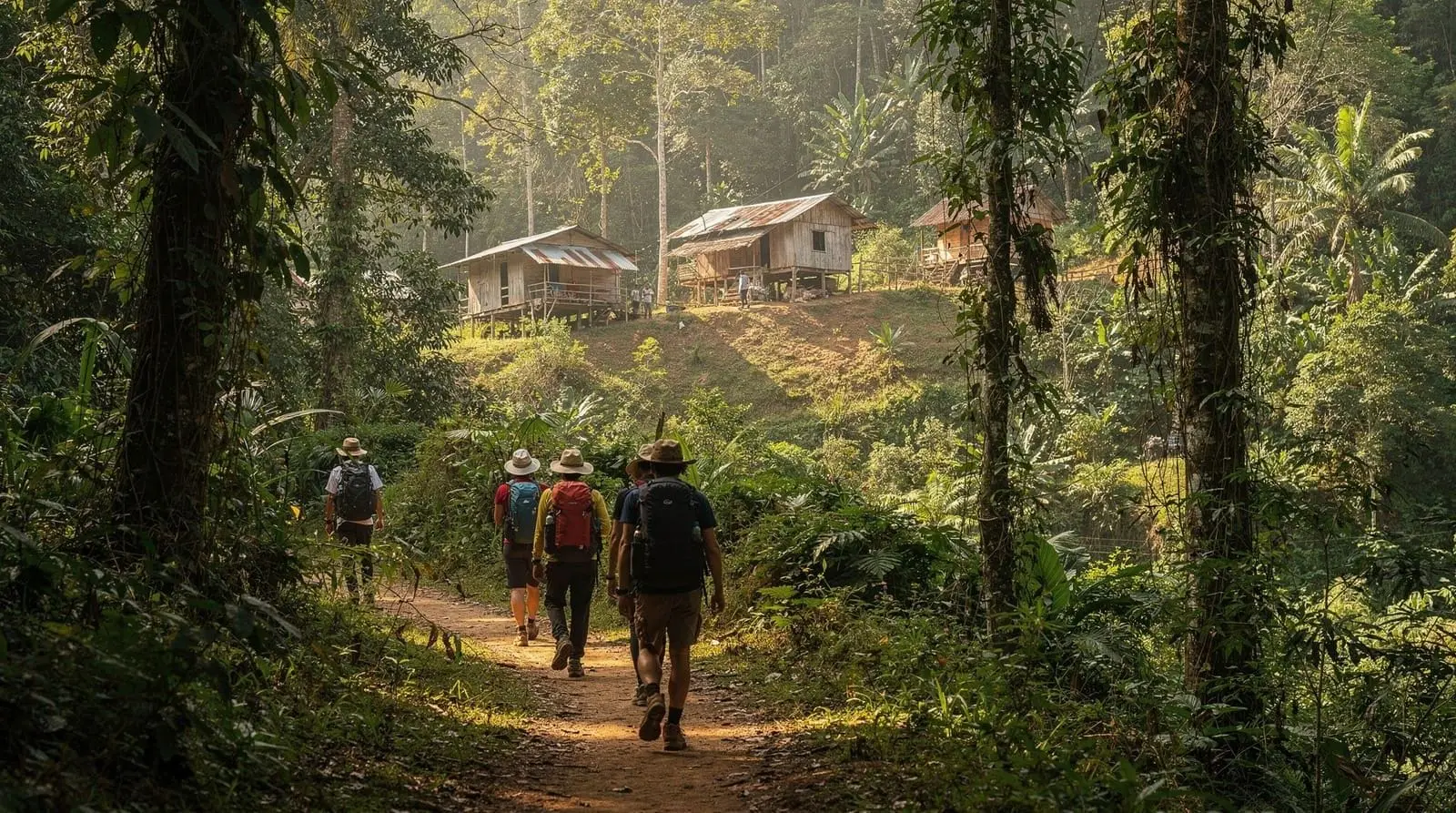
A multi-day trek near Chiang Mai puts you a genuine step away from hotel infrastructure, no reliable hot water, no guaranteed power outlet, no laundry service, for two or three days at a time, and packing for that reality rather than for a normal city-based trip makes a real difference to how comfortable the experience actually is. This guide covers what’s genuinely worth carrying, what most operators already provide, and what’s safe to leave behind, based on what a typical overnight village stay in the Mae Wang, Mae Taeng, or Doi Inthanon-area hill country actually involves.
This list assumes the standard Mae Wang, Mae Taeng, or Doi Inthanon-area format covered in our main trekking guide: a few hours of walking each day, an overnight stay in a village longhouse or homestay, and typically a waterfall or bamboo-rafting stop along the way. If you’re weighing a single-day trip against a full overnight commitment, our one-day trekking guide covers the shorter packing list that applies when you’re back at your hotel by evening instead.
Footwear: the single most important decision
Sturdy, broken-in trail shoes with real tread matter more than any other single packing choice, since blisters and slips on wet rock or muddy trail are the most common minor injuries reported on Chiang Mai treks. Full leather hiking boots aren’t necessary and add unwanted weight and heat in a tropical climate; a mid-weight trail running shoe or light hiking shoe with good grip is a better balance for most routes. Whatever you choose, wear the shoes on at least a couple of long walks before your trek, since new shoes straight out of the box are an entirely avoidable cause of a miserable second day. Pack a second pair of light sandals or flip-flops for evenings at the village and for wading through shallow water crossings, so your main shoes stay drier for the actual walking.
Clothing: quick-dry over cotton
Quick-dry synthetic or technical fabric outperforms cotton by a wide margin on a multi-day trek, since cotton stays wet for hours after a waterfall stop, a river crossing, or simple sweat, while synthetic fabric dries within an hour or two. Pack lightweight, breathable layers rather than one heavy item: a short-sleeve or long-sleeve base layer, a light long-sleeve shirt for sun and insect protection on the trail, and one warmer layer for cool-season evenings and higher-elevation routes like Doi Inthanon, where temperatures can drop noticeably after dark even when the daytime walk felt warm. Pack enough clothing for the number of trek days plus one spare set, since laundry isn’t realistically available mid-trek; most trekkers simply rinse and re-wear a set of trail clothes rather than packing a full change for every day.
Rain gear
Even outside the rainy season proper (roughly June-October), a lightweight rain jacket or poncho is worth carrying on any multi-day route, since mountain weather in northern Thailand’s hill country is genuinely unpredictable and afternoon showers happen year-round in cloud-forest terrain. During the rainy season specifically, treat rain gear as essential rather than optional, and pack a dry bag or at minimum a sealed plastic bag for your phone, passport copy, and any other item that can’t get wet, since trails get muddy and stream crossings run higher than in the dry season.
Leeches and the green season
It’s worth being upfront about this rather than glossing over it: leeches are a genuine, if minor, feature of some Chiang Mai trekking routes during the rainy season, particularly in lower, wetter jungle sections. They’re unpleasant but not dangerous, no different in practical terms from a mosquito bite once removed. Tucking trousers into socks, wearing dedicated leech socks (available cheaply in Chiang Mai before a trek), and carrying a lighter, insect repellent, or a pinch of salt to encourage a leech to detach are the standard, effective countermeasures. Ask your specific operator whether their route runs through leech-prone terrain and during which months, since this varies meaningfully by trail rather than applying uniformly across the whole rainy season. A two-day hidden jungle trek with a hill-tribe stay is a good example of a route where checking seasonal conditions with the operator directly is worth doing before a rainy-season booking.
Insect protection beyond leeches
A DEET-based or picaridin-based repellent is worth applying regularly throughout a multi-day trek, both for comfort and as a genuine measure against mosquito-borne illness, which is a low but real risk in rural Southeast Asia. Long sleeves and trousers in the early morning and evening, when mosquitoes are most active, reduce the need for repellent reapplication. A lightweight mosquito net is often provided at village stays, but packing a small travel-size net or at least confirming with your operator that one will be available is worth doing if you’re particularly bite-prone.
Sun protection
Trail sections through open ridge country, like parts of Doi Inthanon, and waterfall stops with limited shade both expose you to real sun for hours at a stretch, so a broad-spectrum sunscreen, a hat, and sunglasses belong on every packing list regardless of season. Reapply sunscreen after any swimming stop, since a single morning application rarely lasts through an afternoon of trekking and river time.
A headlamp or torch, non-negotiable
Village stays generally don’t have reliable lighting after dark, and walking to a shared bathroom or simply moving around a bamboo longhouse at night without a light source is genuinely inconvenient. A headlamp, which keeps your hands free, is more useful than a handheld torch, and it’s worth packing spare batteries or a small charging cable if it’s rechargeable, since this is one item you don’t want to run out of mid-trek.
Electronics and a power bank
Assume no reliable power at overnight stays and plan accordingly. A fully charged power bank, ideally 10,000mAh or larger, comfortably covers a phone and camera through a two-to-three-day trek without needing to find an outlet. A dry bag or waterproof phone pouch protects electronics during waterfall swims, bamboo rafting, and any unexpected rain, and it’s worth treating this as essential rather than optional given how many multi-day routes include at least one water-based activity.
Basic first aid and any personal medication
A small first-aid kit covering blister plasters, antiseptic wipes, and basic pain relief is worth carrying even though guides typically carry their own kit for genuine emergencies. Bring any personal prescription medication with enough supply for the full trek plus a buffer day, since there’s no pharmacy access once you’re in the hill country, and mention any relevant medical conditions to your guide before setting out. A three-day jungle trek with a White Karen local guide, given its length and distance from the city, is a good example of a route where carrying your own basic supplies matters more than on a shorter one-day trip.
Toiletries: keep it minimal
Overnight village stays rarely have hot water, and a quick, cool rinse is the realistic standard rather than a proper shower. Pack a small bottle of biodegradable soap or shower gel, since standard soaps and shampoos can affect village water sources shared by the whole community, a quick-dry travel towel, and hand sanitizer for use where sink water isn’t available. Skip elaborate skincare or grooming routines; nobody expects, or notices, anything beyond basic cleanliness on a jungle trek.
Cash: bring more than you think
ATMs don’t exist at trekking villages, so bring enough small-denomination Thai baht before leaving Chiang Mai to cover snacks, drinks, and any crafts or food you want to buy directly from villagers, one of the most direct ways your visit benefits the community you’re staying with. A guide tip of roughly 100-300 THB per person per day is a reasonable, appreciated amount, and it’s worth having exact or close-to-exact change since making change in a village setting isn’t always straightforward.
What not to bring
Leave valuables and jewelry at your hotel; overnight village stays involve shared or open sleeping arrangements without the security of a locked hotel room, and there’s no practical way to secure valuables during a day of walking either. Skip anything you’d be genuinely upset to lose or damage, since mud, water, and rustic storage conditions are simply part of the experience. A full change of clothes for every single day is unnecessary weight; plan to rinse and re-wear trail clothes instead.
What to carry in your daypack during the walk
Beyond the overnight bag your operator often transports separately, keep a small daypack with you throughout the actual walking: water (refillable rather than single-use where possible), sunscreen, insect repellent, a light snack, your phone or camera in its dry bag, and a light rain layer even on a dry-season day, since mountain weather changes faster than the forecast suggests. Waterfall stops and bamboo rafting sections, covered in detail in our bamboo rafting guide, are the moments this daypack setup matters most, since you’ll want quick access to a dry bag and a change of dry clothes for the walk afterward, rather than digging through a full overnight pack.
Laundry and the re-wear strategy
There’s no realistic laundry service mid-trek, so most experienced trekkers pack two to three sets of quick-dry clothing for a longer route and simply rinse a set in a stream or with a small amount of soap and let it dry overnight, hung near the village stay, rather than carrying a fresh outfit for every single day. This works well precisely because quick-dry fabric, unlike cotton, genuinely dries overnight in most conditions outside the peak rainy season. Pack a couple of large resealable bags or a dedicated dirty-laundry bag to keep worn, damp clothing separate from the rest of your pack.
Photography gear
A phone camera handles most trekking photography fine, but if you’re bringing a dedicated camera, weight and protection both matter more here than on a standard city day. A simple rain cover or dry bag sized for your specific camera, rather than a generic one, is worth the small extra cost given how many multi-day routes include at least one water crossing or waterfall stop. Spare batteries are worth carrying too, since charging opportunities are limited exactly as they are for phones, and cold mornings at higher elevations like Doi Inthanon can drain battery life faster than expected.
Combining a trek with other Chiang Mai activities
If your trek is part of a longer, more varied itinerary, pack with the rest of the trip in mind rather than in isolation. Travelers heading straight from a trek to Doi Inthanon or Chiang Dao for a separate day trip should keep city-appropriate clothing accessible rather than buried under trekking gear, since a quick changeover at the hotel between activities is far easier with a well-organized pack. Our general Chiang Mai packing list covers the wider trip beyond trekking specifically, worth checking if you’re building one bag for a whole multi-activity visit rather than packing a separate trekking-only kit. Whatever you’re combining a trek with, keeping the ethical considerations covered in our hill-tribe village visit guide in mind while packing, respectful clothing for village stops, cash for direct purchases, is as much a part of preparation as the physical gear list itself.
What operators typically provide vs what you bring
Most operators supply a sleeping mat or thin mattress, a mosquito net, drinking water throughout the day, and meals as part of the package price. Fewer supply towels, personal medication, insect repellent, or a headlamp, items worth confirming specifically before assuming they’re included. If you’re also planning an ethical elephant sanctuary visit as part of the same trip, our elephant sanctuary packing guide covers that specific, slightly different list, since a sanctuary visit involves mud and water in different ways than a jungle trek.
Packing checklist at a glance
A condensed version of everything above: broken-in trail shoes plus light sandals, quick-dry clothing for the number of days plus one spare set, a light rain jacket or poncho, leech socks and insect repellent for rainy-season routes, sunscreen and a hat, a headlamp with spare battery, a fully charged power bank, a dry bag for electronics, basic first aid and any personal medication, minimal biodegradable toiletries and a quick-dry towel, and cash in small denominations for tips and direct village purchases.
Seasonal adjustments
Packing shifts meaningfully by season, and our trekking season guide covers the fuller picture, but the short version: cool season (November-February) calls for a genuine warm layer for evenings and higher elevations, rainy season (June-October) calls for full rain gear and leech precautions, and the hot, hazy months of February-April, covered in our burning-season guide, call for extra sun protection and, for anyone with respiratory sensitivity, a light mask to reduce exposure to agricultural haze during the walking portions of your day.
The one-bag approach
Experienced trekkers tend to converge on a similar packing philosophy for this specific trip: one modest daypack (25-35 liters) rather than a full-size backpack, since most operators transport a separate overnight bag by van or motorbike between village stops rather than requiring you to carry everything on your back the whole way. Pack the daypack itself with only what you need during the actual walking, water, snacks, rain layer, camera, leaving the bulk of your clothing and overnight items in the transported bag. This keeps the walking portion of each day genuinely comfortable rather than turning it into a loaded-pack hike on top of the trail difficulty itself.
Frequently asked questions about packing for a multi-day trek
Do I need hiking boots for a Chiang Mai trek?
Sturdy trail shoes with real tread work better than heavy hiking boots for most routes, since the terrain is generally moderate rather than technical. Break them in beforehand; new shoes on a multi-day trek are a common, avoidable cause of blisters.
Are leeches a real concern?
Yes, on some routes during the rainy season (roughly June-October), particularly in lower, wetter jungle sections. They’re unpleasant but not dangerous; leech socks or tucking trousers into socks, plus a lighter or salt to remove one, handles the practical side.
What should I do about charging phones and cameras on a multi-day trek?
Assume no reliable power at overnight village stays. A fully charged power bank, ideally 10,000mAh or more, covers most 2-3 day trips without needing to charge anything mid-trek.
Do villages provide bedding and mosquito nets?
Most do, typically a thin mattress or sleeping mat and a mosquito net, though standards vary by operator and village. A sleeping bag liner adds comfort but isn’t strictly necessary.
What toiletries should I bring given there’s often no hot water?
Basic soap or biodegradable shower gel, a quick-dry travel towel, and hand sanitizer. Skip anything elaborate; a quick, cool rinse is the realistic standard at most overnight stops.
How much cash should I bring on a trek?
Enough small-denomination THB to buy snacks, drinks, or crafts directly from villagers, plus a guide tip of roughly 100-300 THB per person per day. ATMs don’t exist at trekking villages.
Should I bring valuables or jewelry?
No. Leave anything valuable at your hotel, since overnight village stays involve shared or open sleeping arrangements without the security of a locked hotel room.
Top experiences
Bookable activities with verified prices and instant confirmation on GetYourGuide.