Best ethical elephant sanctuary tours in Chiang Mai, compared
Chiang Mai: Ethical Half Day Elephant Sanctuary & Waterfall
Duration: Half day
Chiang Mai has dozens of operators calling themselves an elephant sanctuary, and the word alone tells you almost nothing about what actually happens on the day. Some run genuine no-riding, no-performance programs built around feeding and observation. Others have simply removed “riding” from the homepage while keeping the same infrastructure underneath. This page compares five tours that are consistently reviewed as running the real, ethical model, so you can pick by price, duration, and what’s included rather than by marketing copy.
Quick answer: for most first-time visitors, the ethical half-day sanctuary and waterfall tour is the easiest starting point — feeding, walking with the herd, a mud bath, and a waterfall stop in about 6-7 hours including hotel transfer, for roughly 1,400-1,800 THB (about 39-50 USD). If you want more unhurried time with the same elephants, a full-day program roughly doubles the price and the pace slows down considerably.
What actually separates these tours from riding camps
Every tour on this page shares the same non-negotiable baseline: no riding, no bullhook, no trained performances like painting or football. What differs between them is group size, the exact mix of activities, and how the rescue story of each elephant is told. A few structural elements to check on any listing, ethical sanctuary or otherwise:
- Group size per elephant. Smaller caps (roughly 8-15 guests) give elephants real room to disengage from an interaction, especially during bathing.
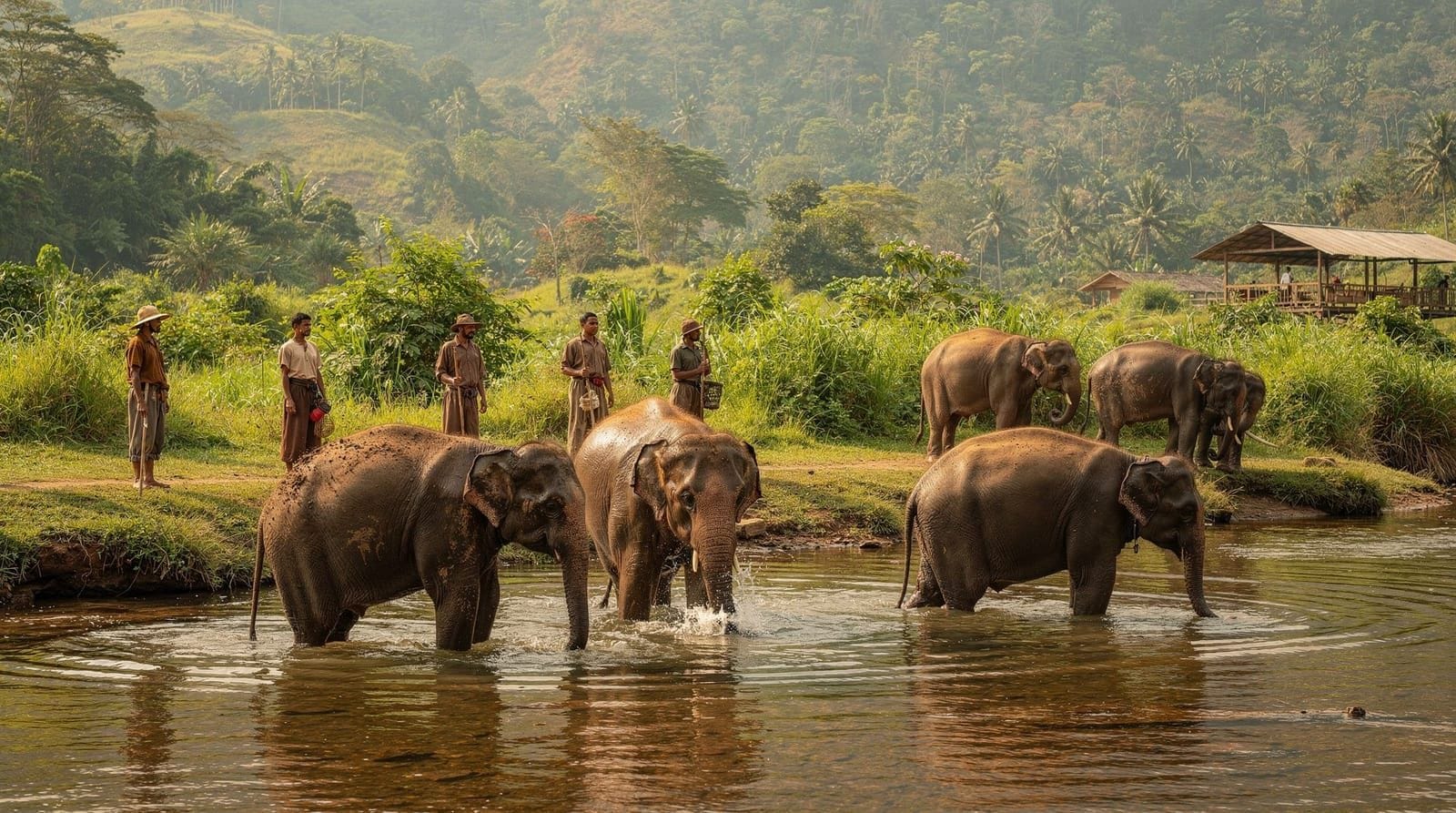
- Feeding vs bathing balance. The strongest programs treat feeding and walking as the main event, with a bathing or mud session as one shorter, optional element rather than the entire two-hour photo opportunity.
- A specific rescue story per elephant, not a vague “we rescue elephants from bad situations” line. Genuine operators know and will tell you where each animal came from — usually a logging camp, a former riding operation, or the street-begging trade.
If you want the full checklist and the honest controversy around group bathing sessions, our ethical sanctuary guide covers it in more depth than a comparison page can. This page focuses specifically on how the five best-reviewed bookable tours stack up against each other.
The comparison: five ethical sanctuary tours
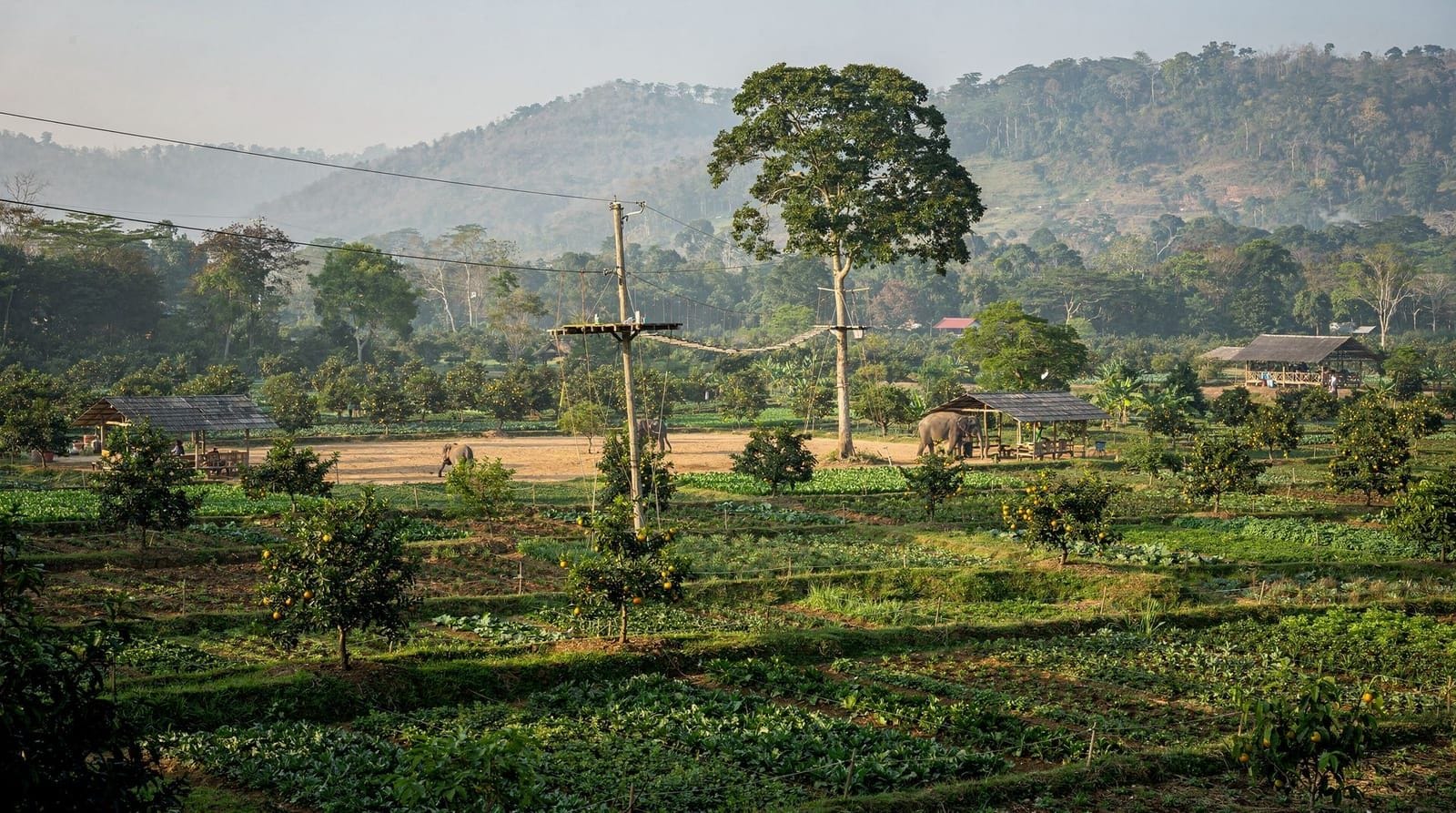
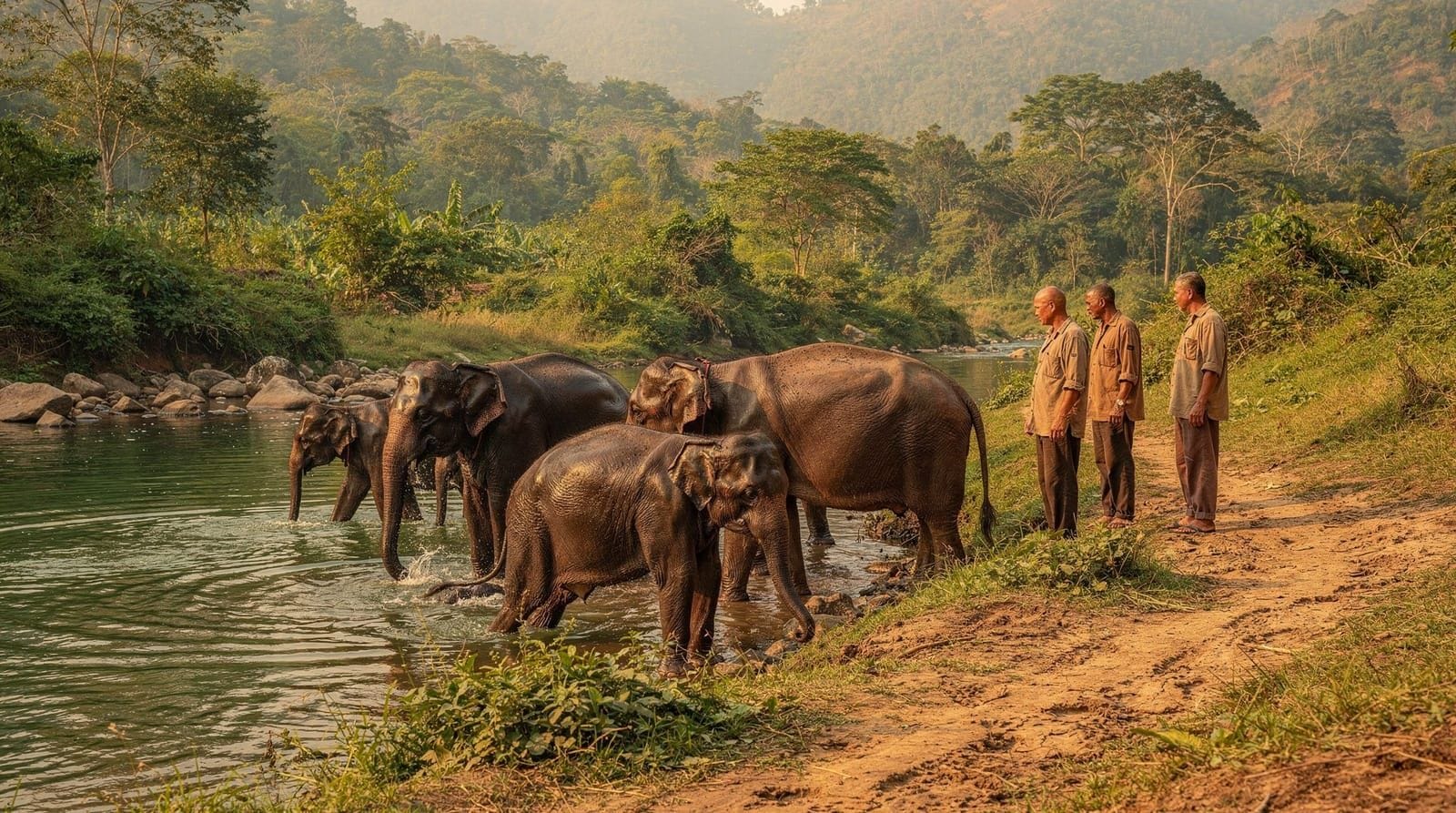
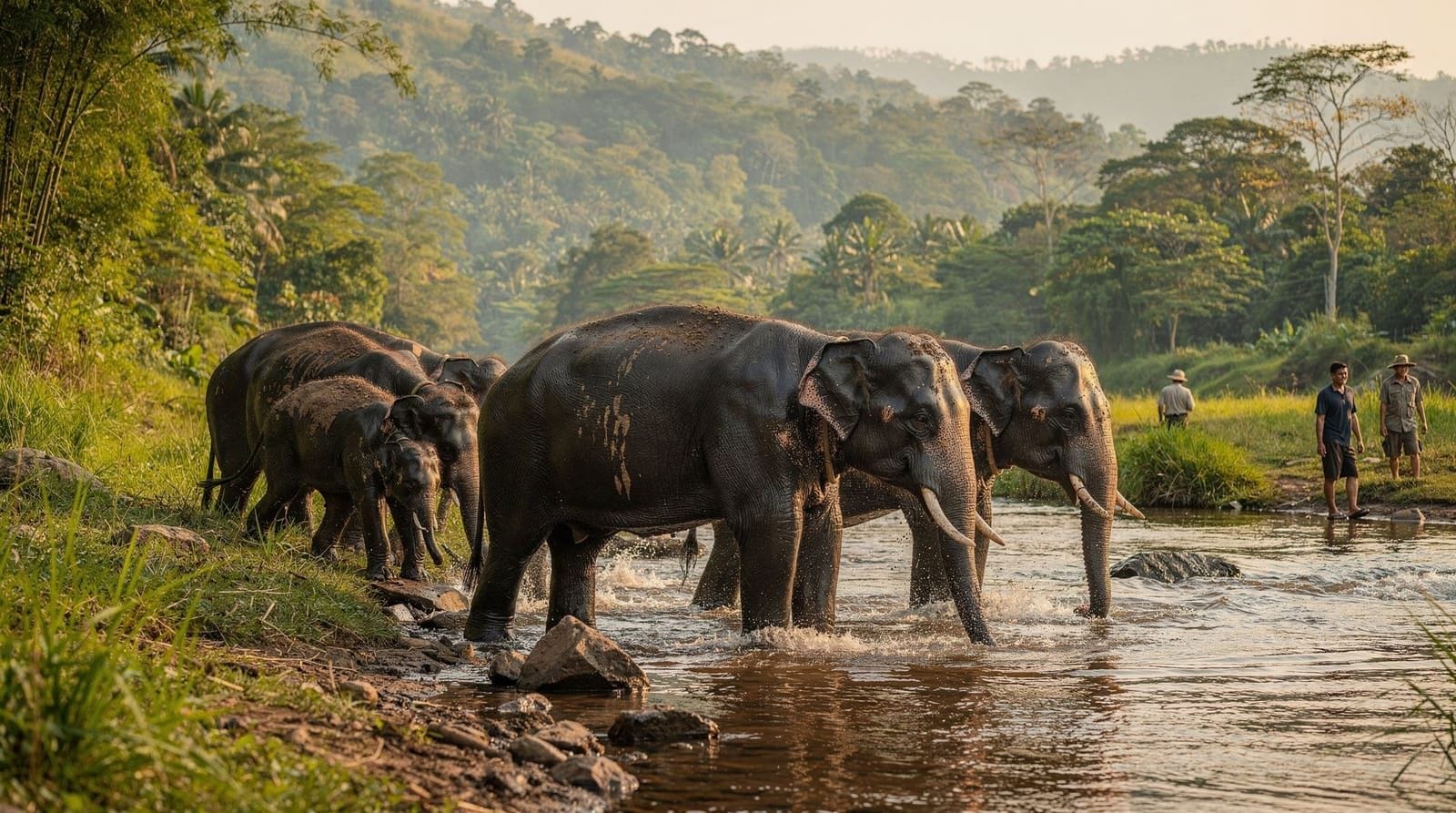
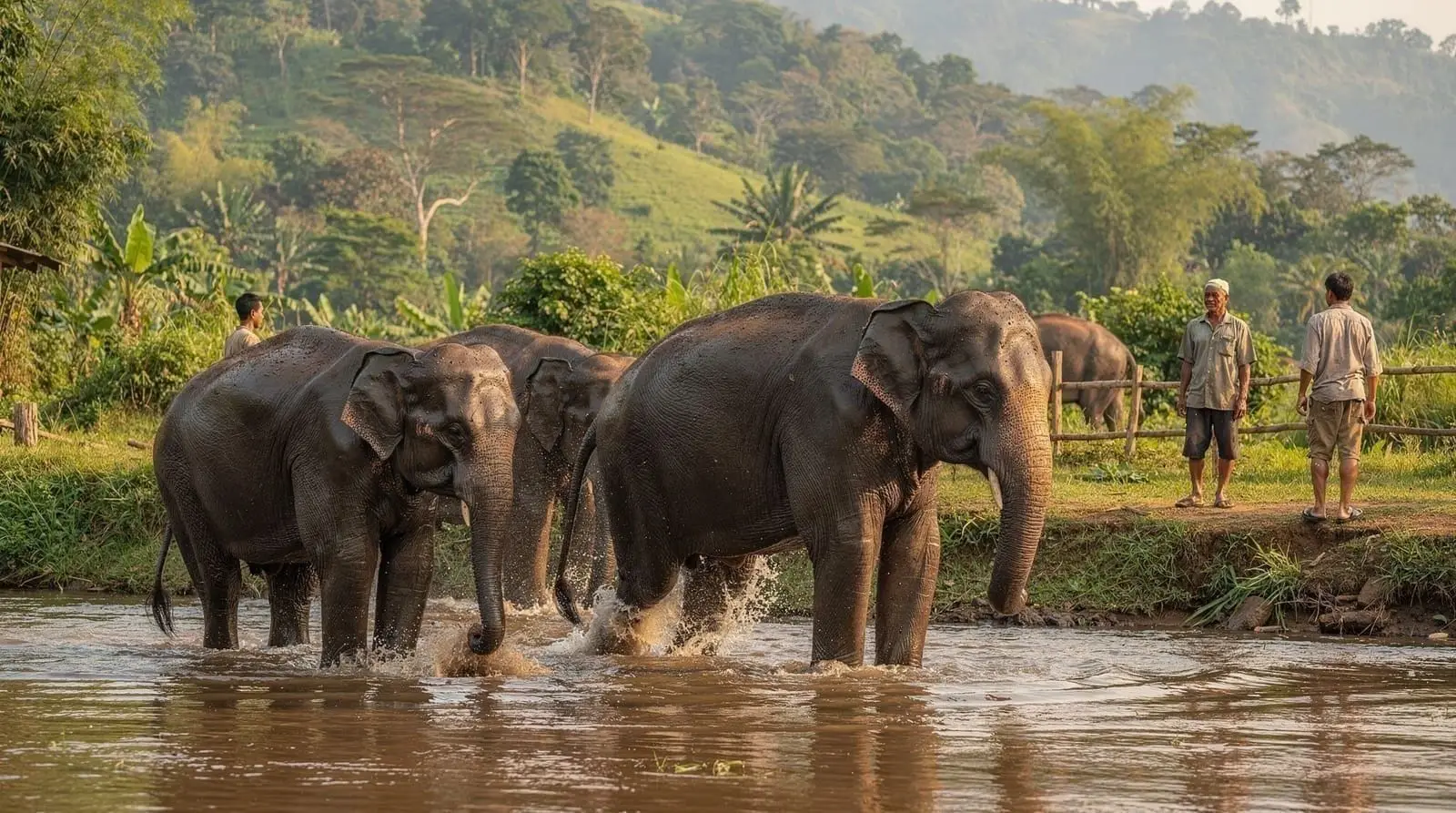
Ethical Half-Day Elephant Sanctuary & Waterfall — half day, roughly 1,400-1,800 THB (39-50 USD). This is the best all-rounder: feeding, a walk with the herd, a shorter bathing session, then a stop at a nearby waterfall to rinse off and cool down. Hotel transfer from central Chiang Mai runs 45-75 minutes each way depending on which valley the sanctuary operates in. It suits travelers who want the sanctuary experience without giving up a whole day of their trip.
Elephant Jungle Sanctuary with Lunch & Transfer — half day, roughly 1,300-1,700 THB (36-47 USD). A close alternative to the option above, with a Northern Thai lunch included even on the half-day format, which not every operator offers. Slightly larger groups than the smaller programs below, which keeps the price competitive.
Small Group Ethical Elephant Sanctuary Tour — half day, roughly 1,500-1,900 THB (42-53 USD). The capped group size is the whole point of this listing: fewer guests per elephant than the two above, which means more room to observe rather than queue for a feeding turn. Worth the modest price premium if a crowded platform is your main worry.
Elephant Dream Project Sanctuary — Full Day — full day, roughly 2,200-2,800 THB (61-78 USD). The full-day version of a well-regarded program, with lunch, a longer and less rushed schedule, and typically a second activity added to the afternoon. Good for travelers who want to spend genuinely unhurried hours with the same small group of elephants rather than treating the sanctuary as a single morning stop.
Elephant Sanctuary with Local Hill Tribe Caretakers — roughly 1,600-2,200 THB (44-61 USD) depending on duration. This one adds a community dimension: the mahouts and caretakers are from local hill-tribe communities, and the tour spends more time on that context than most sanctuary programs do. A good pick if the cultural and mahout side of the story matters as much to you as the elephants.
Elephant Care Program at a Retirement Park — roughly 1,800-2,400 THB (50-67 USD). Built specifically around elephants retired from logging and riding work, with a nursery-tour component if younger elephants are currently at the property. The rescue framing is more explicit here than on most listings, which some travelers find makes the ethics easier to verify on the day.
Half day vs full day: which to book
A half day (roughly 4-6 hours plus transfer) covers feeding, walking, and usually a shorter bathing or mud session — enough to understand the model and spend real time near the herd without committing the whole day. A full day adds lunch, a slower pace with the same elephants, and often a second stop like a waterfall or hill-tribe village, for close to double the half-day price. Neither format compromises on the no-riding, no-performance baseline at any of the five operators above; the difference is purely pacing and depth. Our half-day vs full-day comparison guide breaks this down by traveler type in more detail.
Combining a sanctuary visit with something else
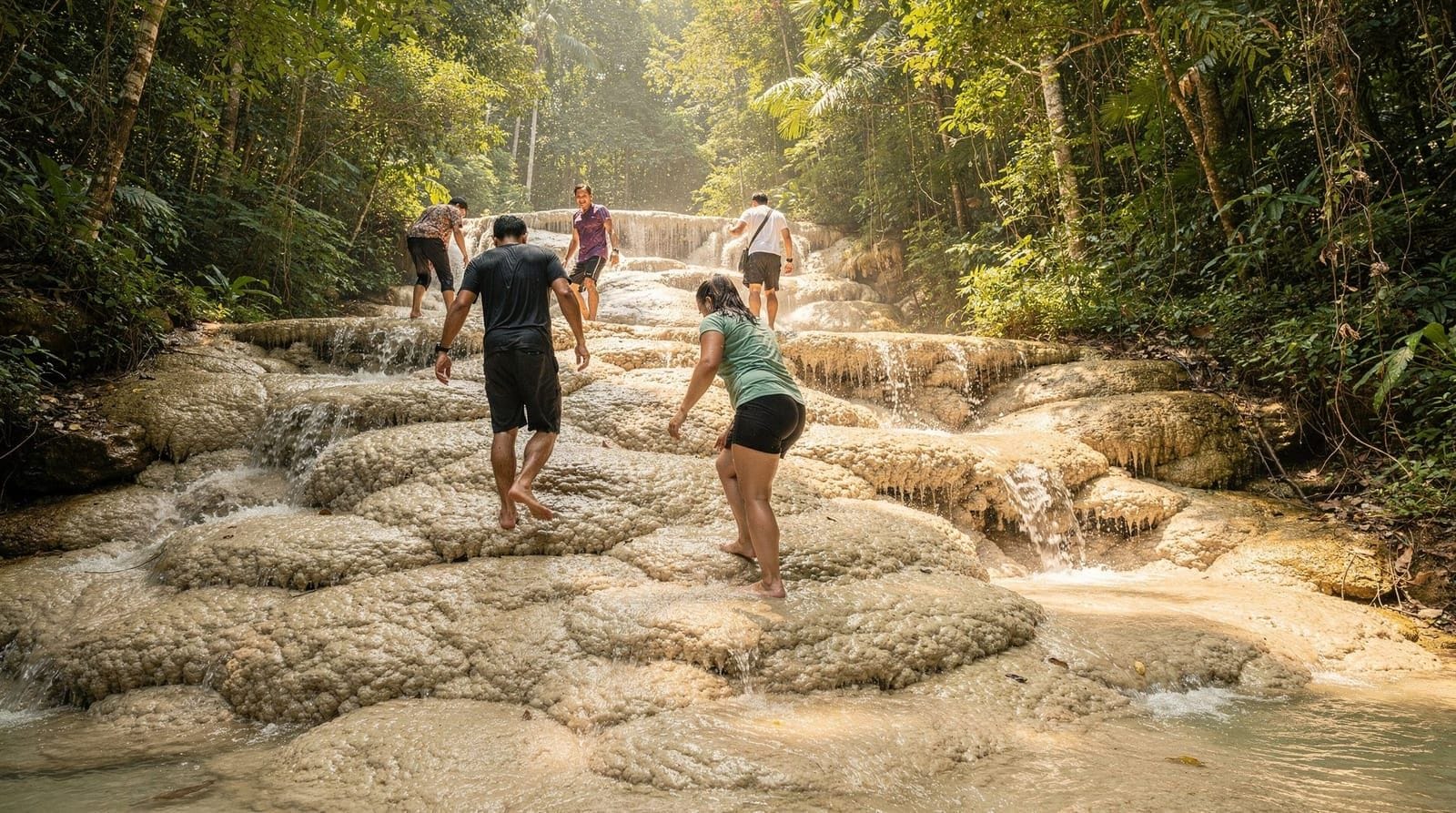
Several sanctuaries operate close enough to Mae Rim and the Mae Sa valley that pairing a morning sanctuary visit with an afternoon at the Sticky Waterfalls is a common and sensible half-day-plus-half-day combination, since both sit within a similar drive time from the Old City. A smaller number of programs run further out toward Doi Inthanon, combining a sanctuary stop with a hike on the mountain’s lower trails — worth considering if you’d rather not do two separate day trips. Our elephant sanctuary and waterfall combo guide covers a few more of these pairings.
Traveling with kids
Most of the six tours above welcome children, though the ground around feeding and bathing areas is often muddy and uneven, so closed shoes and a slower pace matter more than age cutoffs in practice. The hill-tribe caretaker and retirement-park programs tend to run a gentler schedule with more explanation and less walking than the higher-volume half-day options, which some parents of younger children prefer. Our family sanctuary guide goes into age suitability and pacing specifically.
What to bring
Old clothes and closed shoes you don’t mind getting muddy, sun protection, insect repellent, a dry bag for your phone, and small bills for tips. Most operators supply a sarong-style outfit to change into before the feeding and walking sections. See our packing guide for sanctuary visits for the complete list.
Booking tips that actually matter
Book at least 2-3 days ahead during the November-February high season, since the better-reviewed ethical operators cap group sizes and those slots sell out first; shoulder-season months like May, September, and October usually have same-week openings. Read the listed itinerary rather than just the headline, and if you want the fuller side-by-side on operators beyond the six covered here, our best sanctuaries compared guide and our dedicated Elephant Nature Park comparison cover more ground on the biggest name in the space specifically.
Best season to visit an elephant sanctuary
Elephant sanctuaries operate year-round, but the season shapes the experience more than most visitors expect. The cool season (November-February) brings the most comfortable walking and hiking weather, with daytime temperatures in the low-to-mid 20s°C, though mornings at higher-elevation sanctuaries can be genuinely cool. The hot season (March-May) pushes midday temperatures well above 35°C, which makes the mud-bath and river sections of a sanctuary visit feel considerably more appealing, and elephants themselves often spend more time cooling off, giving you more bathing-behavior to observe. The rainy season (June-October) thins out crowds noticeably and turns the valley genuinely lush, though trails can be muddier and a light rain jacket is worth packing regardless of the morning forecast. None of this changes the ethical baseline of any tour, but it’s worth factoring into which month you choose if comfort matters as much as the elephants themselves.
How these six tours actually compare on value
Price differences between the six tours above track fairly closely with group size and included extras rather than any meaningful gap in ethical standards, since all six run the same no-riding, no-bullhook, no-performance baseline. The cheapest half-day options suit travelers who want the core experience without add-ons; the small-group and hill-tribe-caretaker programs justify their premium through a genuinely different pace and level of context rather than a different set of activities. Full-day programs are worth the roughly doubled price mainly if you want unhurried time with the same elephants rather than a second attraction, since the feeding-and-walking core of the experience doesn’t meaningfully change between half and full day, only how much time you spend doing it and whether lunch and a second stop are bundled in.
Frequently asked questions about elephant sanctuary tours in Chiang Mai
Which elephant sanctuary tour near Chiang Mai is best for a first-timer?
The ethical half-day sanctuary and waterfall program is the easiest entry point: no riding, feeding and walking with the herd, a mud bath, and a waterfall stop afterward, all in roughly 6-7 hours including hotel transfer.
Do any of these tours allow elephant riding?
No. Every tour compared on this page is a no-riding, no-performance program. If a listing anywhere mentions riding as an option, that is a sign it is not running the ethical model described here.
How much does an ethical elephant sanctuary tour cost?
Roughly 1,200-1,800 THB (about 33-50 USD) for a half day, and 2,000-2,900 THB (about 56-80 USD) for a full day, both typically including hotel pickup.
What is the difference between a half-day and full-day sanctuary tour?
A half day covers feeding, a walk with the herd, and a shorter bathing session in about 4-6 hours. A full day adds lunch, a slower pace, and often a second stop, for roughly double the price.
Can children join an elephant sanctuary tour?
Yes, most operators compared here welcome children, though mud-bath and river sections involve uneven, slippery ground, so gentler-paced programs suit younger kids best.
Should I book the same day I want to visit, or in advance?
Book at least 2-3 days ahead in the November-February high season; shoulder-season months generally have same-week availability.
How do I know a “sanctuary” tour isn’t secretly a riding camp?
Read the listed itinerary line by line. A genuine program names feeding, walking, and observation as the activities and states plainly that there is no riding.
Compare alternative tours
| Tour | Duration | Rating | Price | Highlights | |
|---|---|---|---|---|---|
| Chiang Mai: Elephant Jungle Sanctuary with Lunch & Transfer | Half day | — | — | — | Check |
| Chiang Mai: Elephant Dream Project Sanctuary - Full Day | Full day | — | — | — | Check |
| Chiang Mai: Small Group Ethical Elephant Sanctuary Tour | Half day | — | — | — | Check |
| Chiang Mai: Elephant Sanctuary Local Hill Tribe Caretakers | — | — | — | — | Check |
| From Chiang Mai: Elephant Care Program and Nursery Tour | — | — | — | — | Check |