Chiang Mai with kids: our family diary
We travelled with our two kids, seven and nine at the time, for eight days in Chiang Mai, and went in with modest expectations — mostly that we’d spend more time managing meltdowns than sightseeing. It went better than that, though not without a few days that tested everyone’s patience. Here’s the honest version, day by day rather than a highlight reel.
Day 1–2: jet lag, and reconsidering our first-week ambitions
We’d booked our first three days with a full activity list, which was optimistic given a nine-hour time difference and two kids running on almost no sleep. We scrapped most of it. Day one was pool time at the hotel and an early dinner at a genuinely kid-friendly restaurant near Old City that had a simple noodle dish both kids actually finished, no negotiating required. Lesson taken from other family-travel diaries we’d read but didn’t fully absorb until living it: build in at least one full recovery day before anything ambitious, and don’t feel guilty about a “wasted” first day that’s really just jet lag recovery in disguise.
Day 3: the elephant sanctuary that actually worked for our kids’ ages
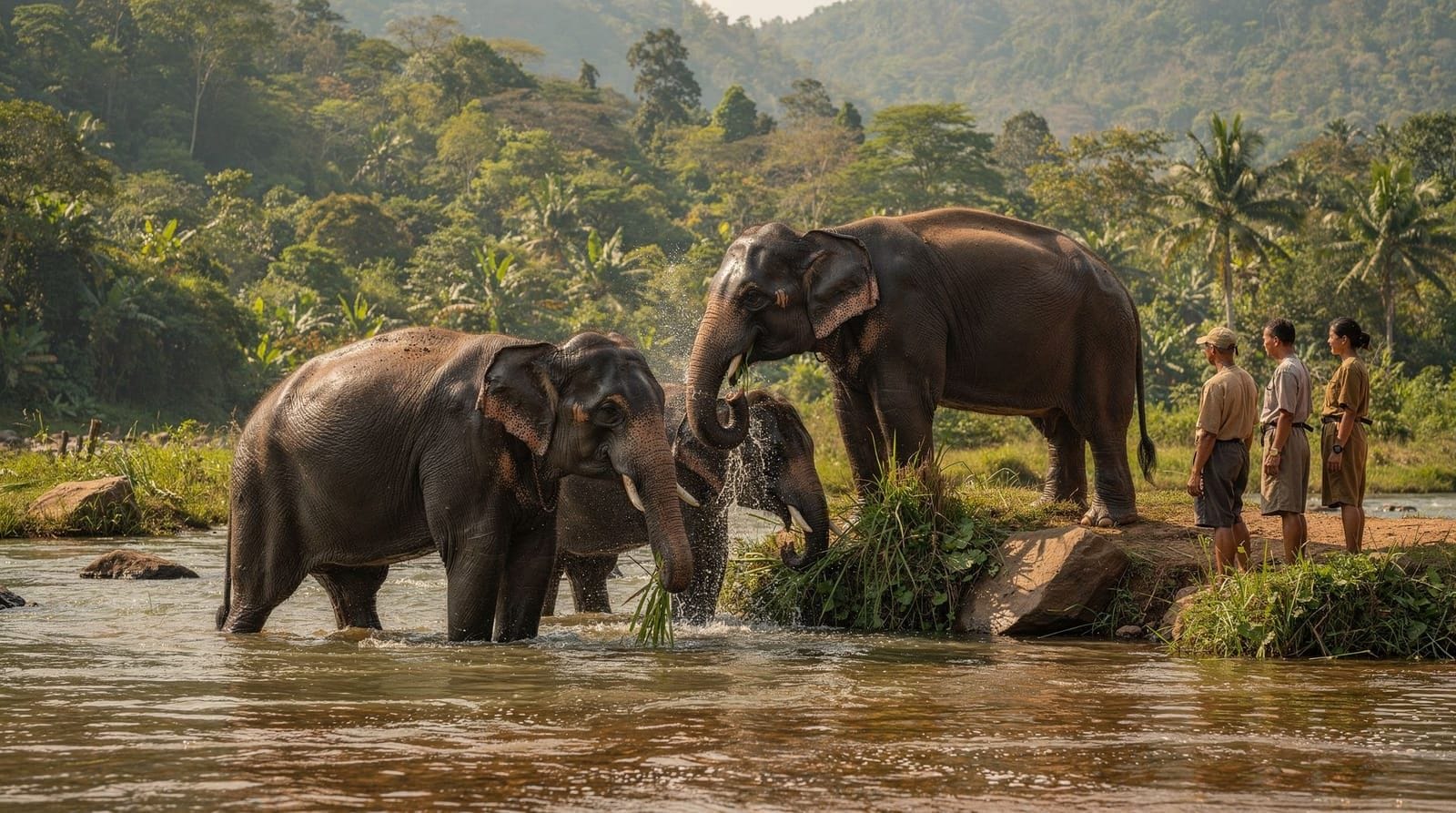
This was the activity we’d built the whole trip around, and it delivered. We chose a half-day, small-group sanctuary specifically because the full-day options looked like too long a day for our kids’ attention spans, and because it was explicit about no riding, feeding and observing from a safe distance instead. Both kids were fully engaged the entire time — feeding sugar cane, watching the elephants bathe in the river from the bank rather than in the water with them — and it was the one day nobody asked “are we done yet.” We’d read a few other operators’ descriptions that mentioned bathing-with-elephants as a selling point and deliberately avoided those, since we weren’t confident about the safety of that specific activity with young kids nearby.
Small-group ethical elephant sanctuary visitDay 4: the zoo and night safari, which split the family down the middle
We’d read mixed things about the zoo and night safari before booking and went in cautious. Our nine-year-old loved the night safari’s tram ride through darkened enclosures; our seven-year-old found the dark and the animal noises genuinely unsettling for the first twenty minutes before settling in. If your kids are younger or more easily spooked, we’d suggest doing the daytime zoo visit instead of, rather than in addition to, the night safari, since doing both in one day was more than either of them had appetite for by the end. The daytime zoo portion alone would probably have been enough for a satisfying day, in hindsight.
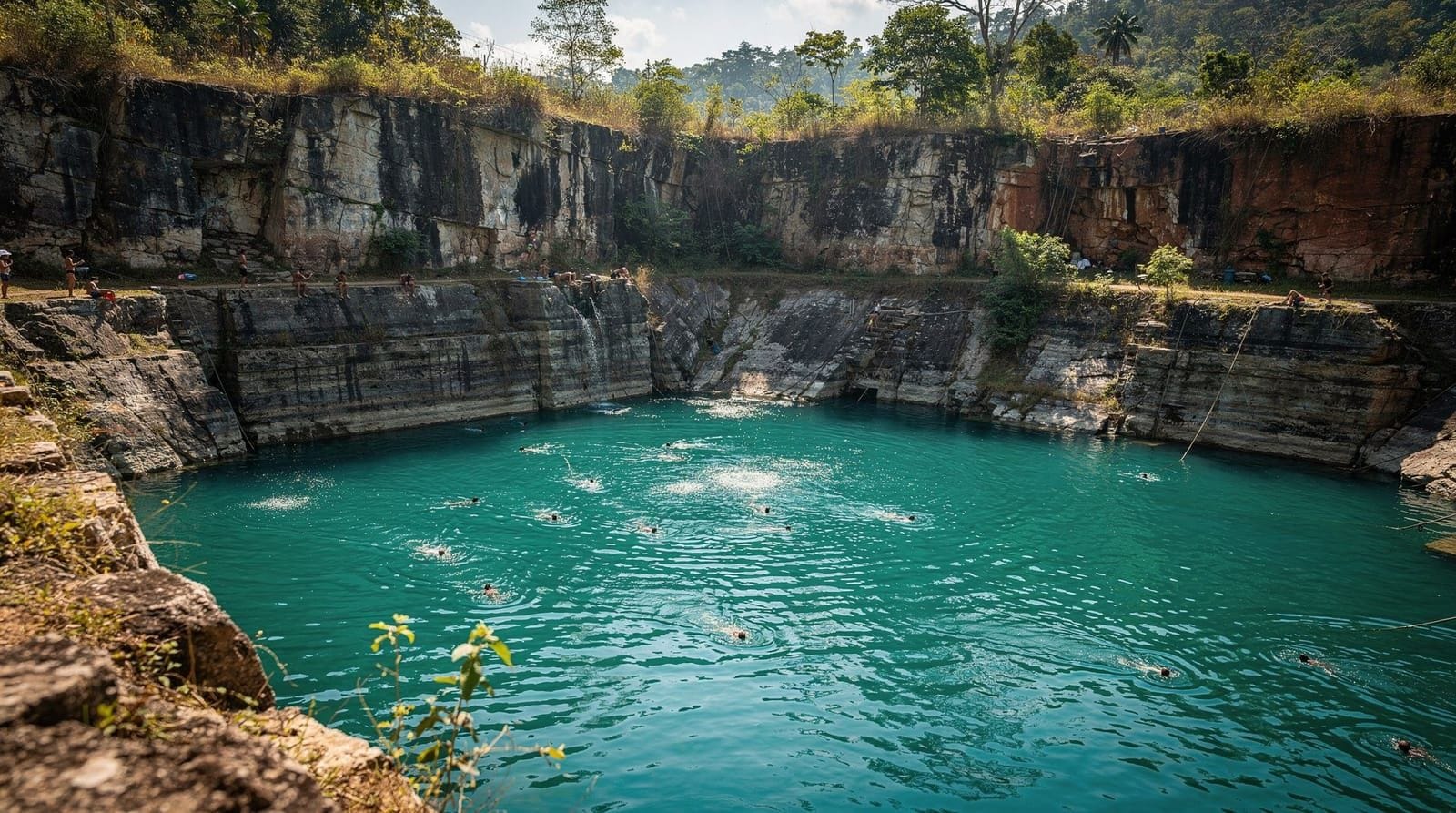
Day 5: Grand Canyon Hang Dong, and a hard no on the cliff jumping
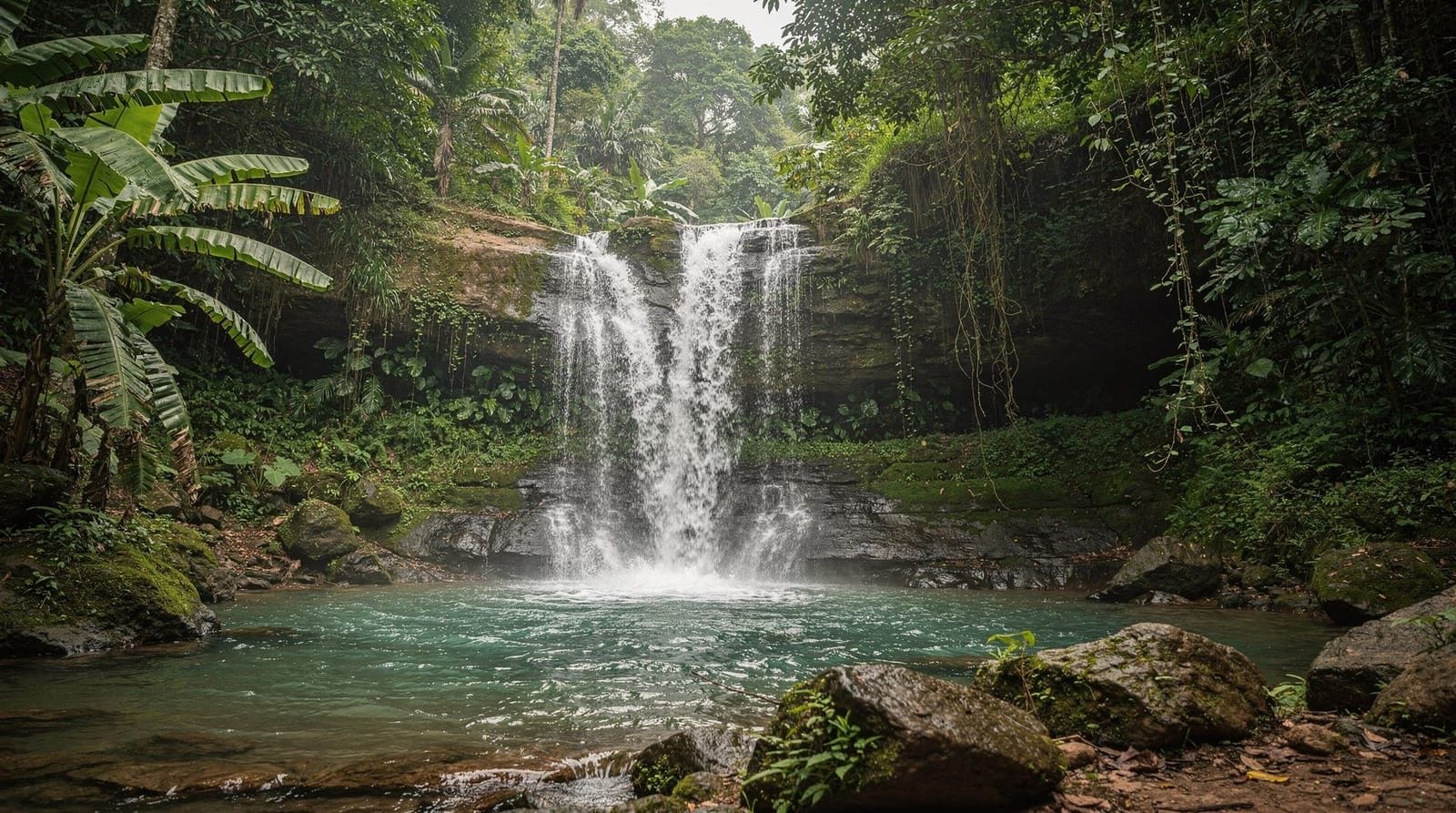
We visited Grand Canyon Hang Dong mainly for the swimming, not the cliff-jumping the spot is known for among older visitors. It’s worth being direct here: this is an informal former quarry, not a supervised water park, and the jumping platforms are not something we’d let kids anywhere near regardless of age. The lower swimming areas, away from the jump zones, were genuinely enjoyable for a couple of hours, but we watched our kids closely and kept well clear of the cliff edges the whole visit. We’d honestly consider skipping this stop entirely for families with younger or more adventurous kids who might not respect the boundary between the safe swimming area and the cliffs above it.
Day 6: the water park day that saved the trip’s energy
By day six, both kids were flagging on “cultural” activities and ready for something purely fun. Grand Canyon Water Park, the built, properly supervised water park (distinct from the quarry above, worth not confusing the two), turned into the single best-received day of the whole trip. Slides, a wave pool, actual lifeguards — it was the kind of straightforward, low-stakes fun day that resets a family trip’s morale better than another temple visit would have. We’d honestly move this day earlier in the itinerary if we planned it again, roughly at the midpoint rather than near the end, to break up the run of more structured activities.
Grand Canyon Water Park ticket with optional pickupDay 7: temples, kept deliberately short
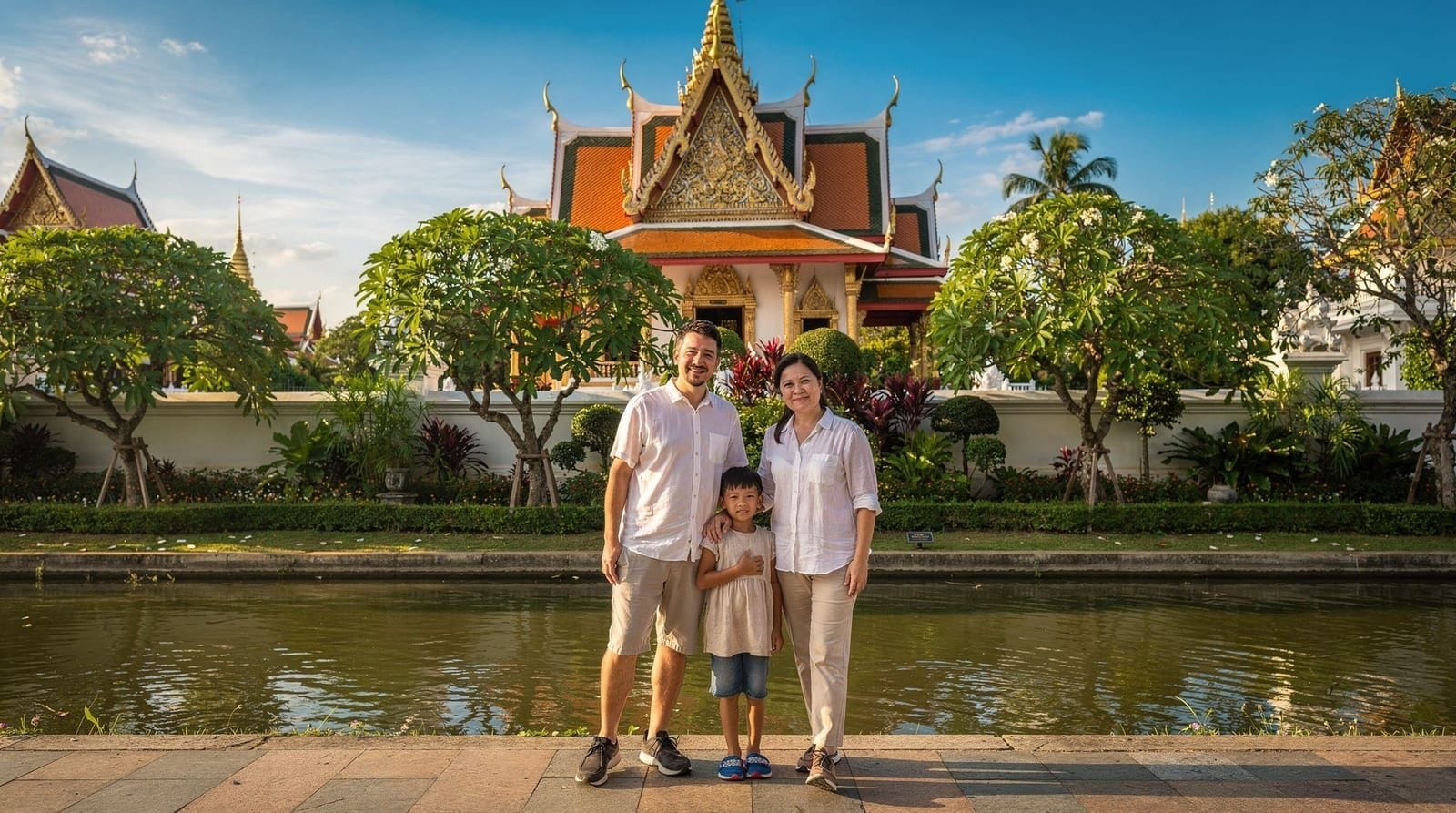
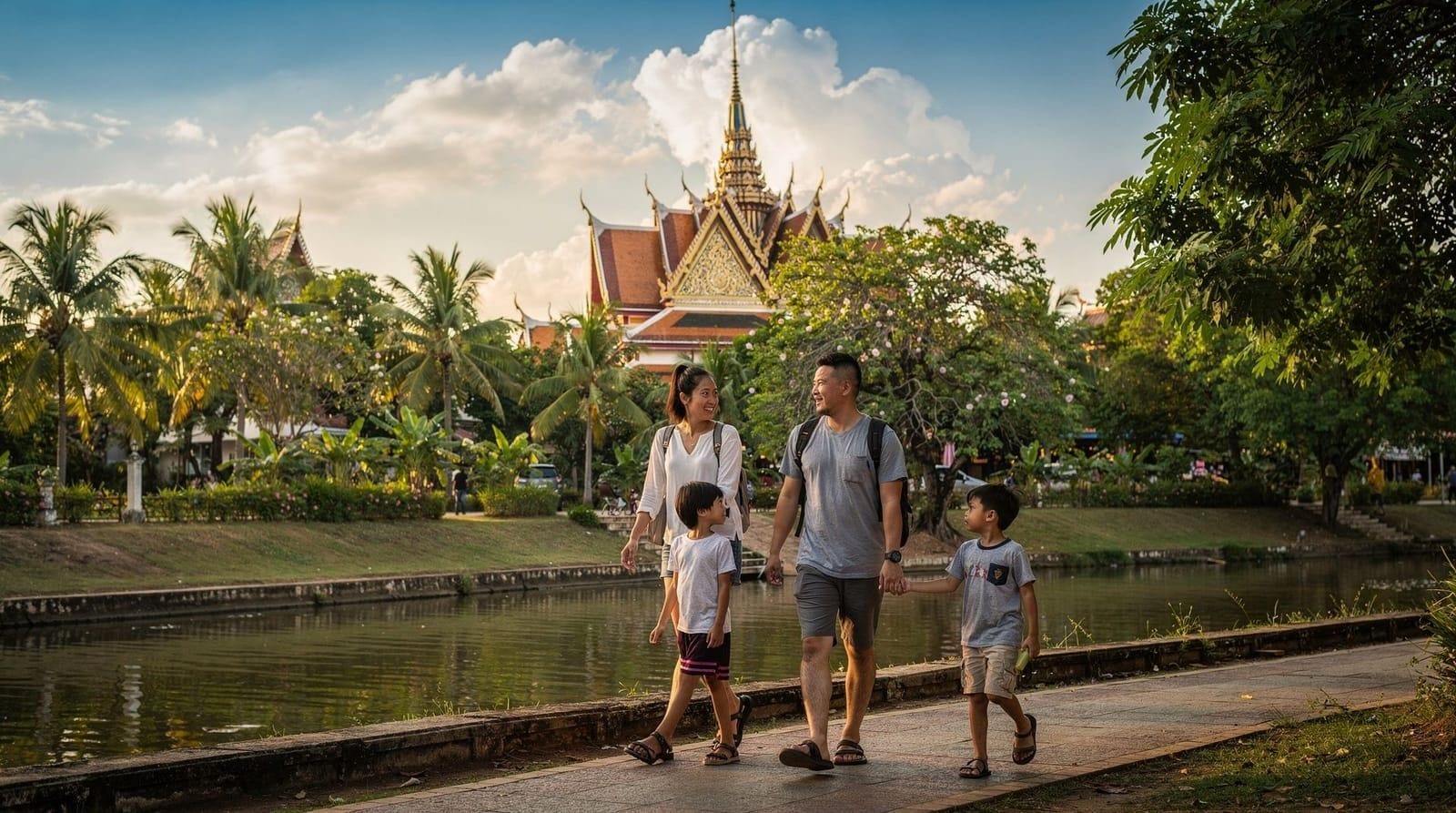
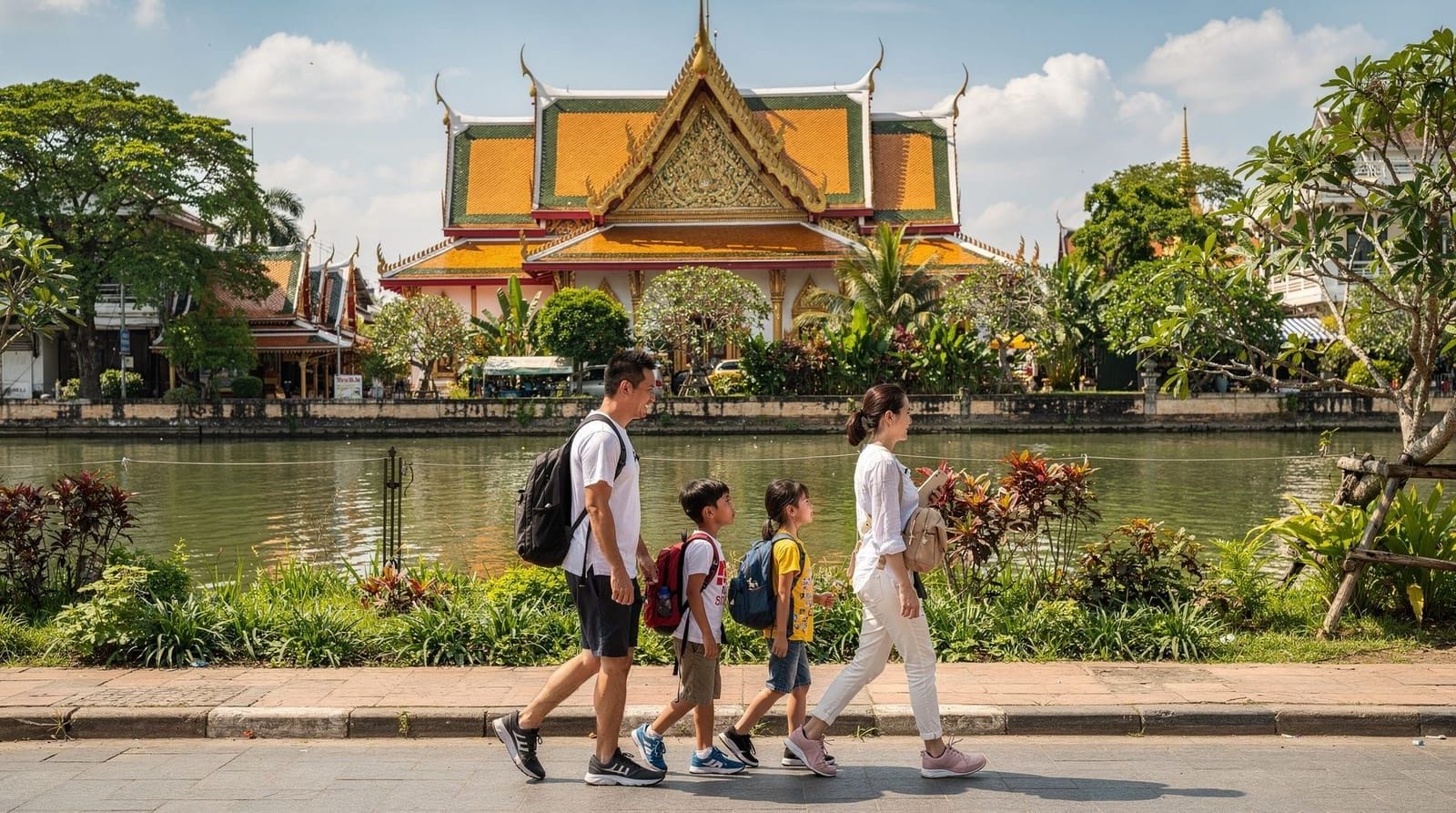
We did a scaled-back version of Wat Phra Singh and Wat Chedi Luang, capped at about forty minutes total rather than the leisurely hour-plus we’d have taken without kids. We framed it to them as a scavenger hunt — find the golden Buddha, find the biggest chedi — which kept both of them engaged rather than bored, and honestly improved our own experience too by forcing us to notice more specific details than we might have on autopilot. A small notebook for them to sketch or check things off turned out to be a genuinely useful prop we hadn’t planned for in advance.
Day 8: the Elephant POOPOOPAPER Park detour that became a highlight
Almost an afterthought booking, the Elephant POOPOOPAPER Park — where elephant dung is processed into paper products, with a hands-on demonstration — turned into an unexpected favorite. Both kids were fascinated (and appropriately grossed out) by the process, and it filled a half-day slot between checkout and our flight without requiring much physical energy from anyone, which mattered given how tired everyone was by the final day.
Elephant POOPOOPAPER Park entry ticketWhere we stayed, and why it mattered more than we expected
We booked a hotel with a genuinely usable pool and a room large enough for a foldout bed rather than a shared single bed, on the recommendation of another family-travel account we’d read, and it was one of the better decisions of the trip. The pool became our default “we have no other plans and everyone is tired” activity most afternoons, and having actual separate sleeping space for the kids meant our own evenings weren’t spent whispering in the dark once they were asleep. Our family accommodation guide covers what to specifically ask about before booking, beyond just the star rating.
Naps, downtime, and the schedule nobody warns you about
The single biggest adjustment we made mid-trip was building in a genuine downtime block every afternoon, roughly 1pm to 3:30pm, regardless of what else was planned that day. Both kids, even the older one who’d technically outgrown regular naps at home, needed some version of quiet, low-stimulation time in the early afternoon heat, and days where we pushed through that window with more sightseeing consistently ended in worse evening moods than days where we respected it. It cost us some sightseeing time on paper, but it’s the single change that most improved how everyone, including us, actually felt by dinner each night.
Food: what actually worked for picky eaters
Neither of our kids is adventurous with food, and we’d worried about this more than almost anything else beforehand. In practice, simple noodle soups without visible chili, fried rice, and grilled chicken skewers were available essentially everywhere, from street stalls to sit-down restaurants, and we rarely struggled to find something both kids would actually eat. The one genuine miss was assuming a “mild” dish at one restaurant would be kid-safe by our home-country standards; it wasn’t, and we learned to ask specifically about chili rather than trust the menu’s own mild-to-spicy labeling. Our kid-friendly restaurants guide has the specific places that worked well for us, rather than a generic “ask for no spice” tip that undersells how much variance there actually is between kitchens.
What surprised us about the cost
Traveling as a family of four turned out cheaper, proportionally, than we’d budgeted, mostly because so many activities price children under twelve at half the adult rate or less, and because street food and casual restaurant meals for kids often ran a genuinely small fraction of what an equivalent meal would cost at home. Our biggest single expense by far was the water park and zoo combination on our higher-activity days, still a modest sum compared to what a similar two-activity day would have cost at a theme park destination elsewhere.
What we’d actually change next time
We’d build in more recovery days than felt necessary on paper — the jet lag adjustment took longer than we planned for, and every day we over-scheduled ended in some version of a meltdown. We’d also front-load the sanctuary and water park days, since those were consistently the highest-energy, best-received activities, and save the more sedate temple and market visits for whenever the kids’ patience was running lower. For the fuller planning framework, including how we packed and budgeted, our Chiang Mai with kids guide, family day trips guide, and packing list cover the logistics side of what we learned the harder way.