Best Bua Thong sticky waterfalls tours, compared
Chiang Mai Half Day Tour to Sticky Waterfall (Bua Tong)
Duration: Half day
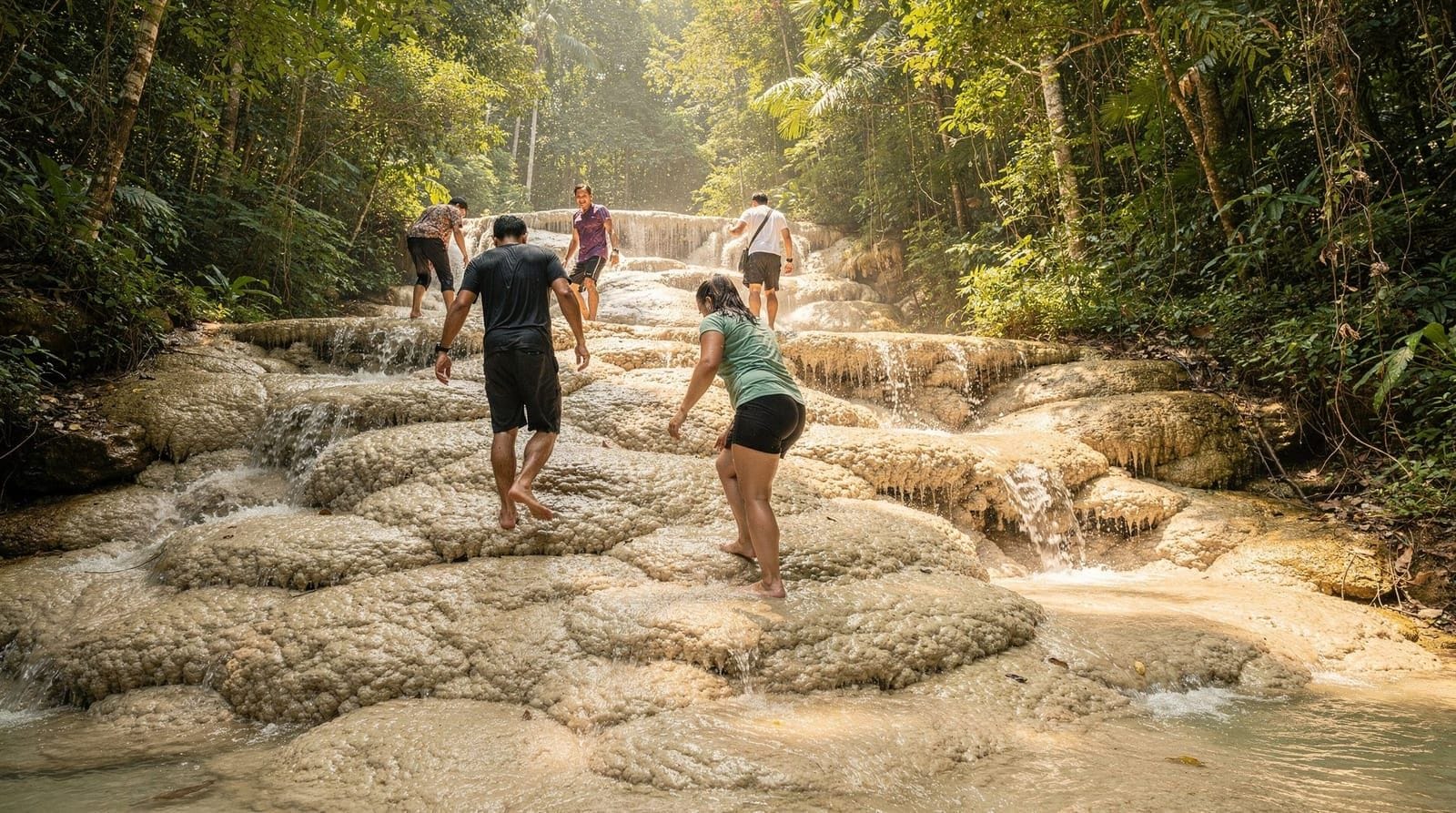
Bua Thong, better known as the Sticky Waterfalls, is one of the few genuinely free attractions near Chiang Mai, which raises a fair question: what exactly are you paying for on a tour? The answer is mostly transport and add-ons, since the falls themselves have no entry fee. This page compares five bookable tours on exactly that basis — transfer convenience, combination stops, and price.
Quick answer: the half-day Sticky Waterfall tour with hotel transfer is the simplest, most affordable option for most visitors — round-trip transport and 2-3 hours at the falls for roughly 700-1,000 THB (19-28 USD). If you want to bundle in a cave, a buffet, or an elephant visit, the combination tours below add those for a moderate premium.
Why book a tour for a free attraction
Entry to the Bua Thong falls themselves is free, so a tour’s value is entirely in the transfer and any bundled extras. The falls sit about an hour’s drive northeast of the Old City, reachable by rented scooter, Grab, or private driver as well as a tour, so independent travel is a real option if you’re comfortable arranging transport yourself. A tour makes the most sense if you’d rather not navigate the drive, want a fixed pickup and return time, or are interested in one of the combination itineraries below that pair the falls with a cave, lunch, or elephant sanctuary.
Our sticky waterfalls guide covers how the site itself works, including the geology behind the grippy rock; this page focuses on comparing the bookable tour options.
The comparison: five sticky waterfalls tours
Chiang Mai Half-Day Tour to Sticky Waterfall (Bua Tong) — half day, roughly 700-1,000 THB (19-28 USD). A straightforward round-trip transfer with hotel pickup and 2-3 hours at the falls, no add-ons. The right choice if you just want the falls without paying for extras you may not want.
Bua Tong Sticky Waterfall, Huge Cave & Thai Buffet — full day, roughly 1,300-1,700 THB (36-47 USD). Adds a nearby cave visit and an included Thai buffet lunch, turning the half-day falls visit into a fuller day trip with two distinct stops.
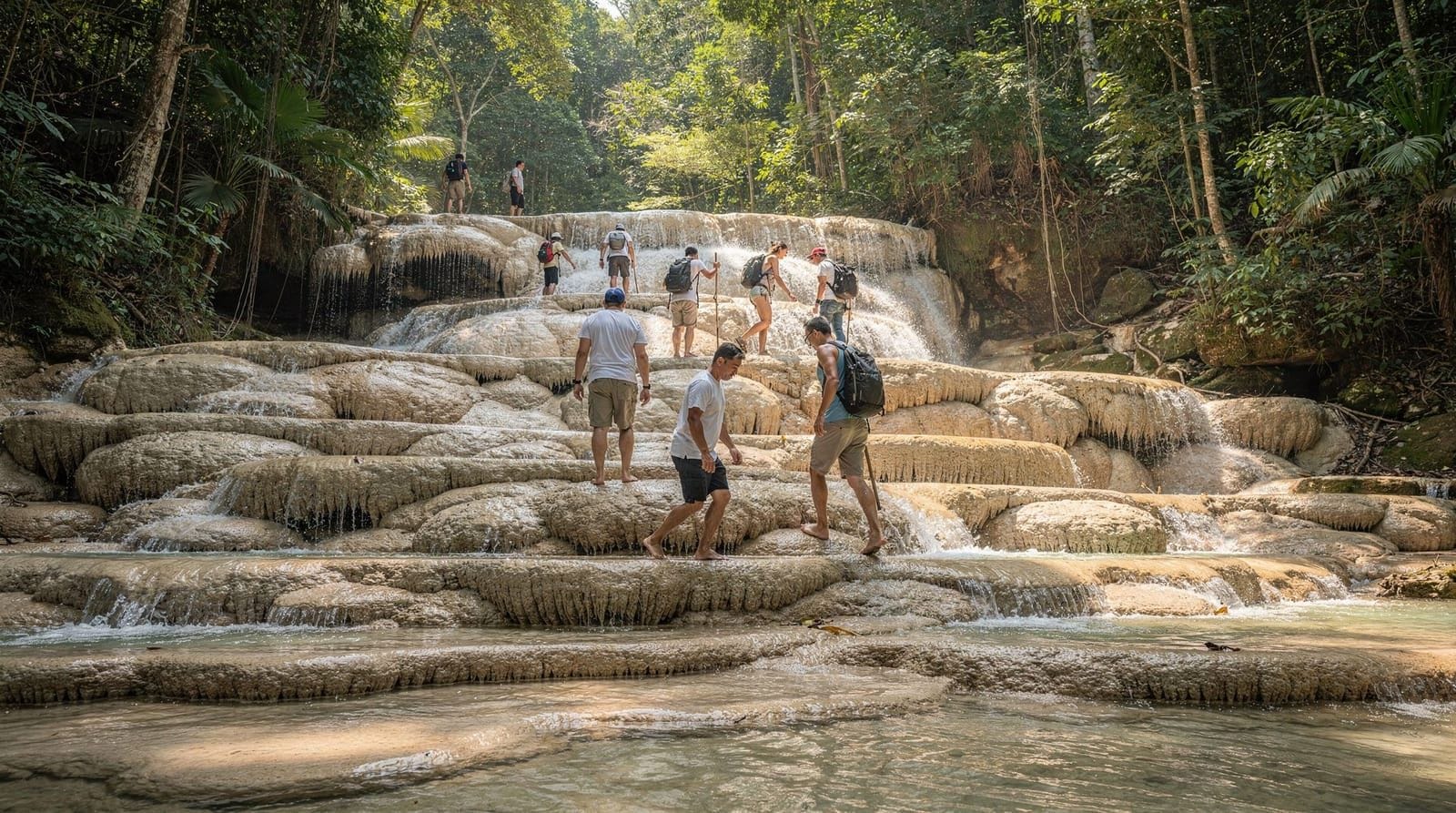
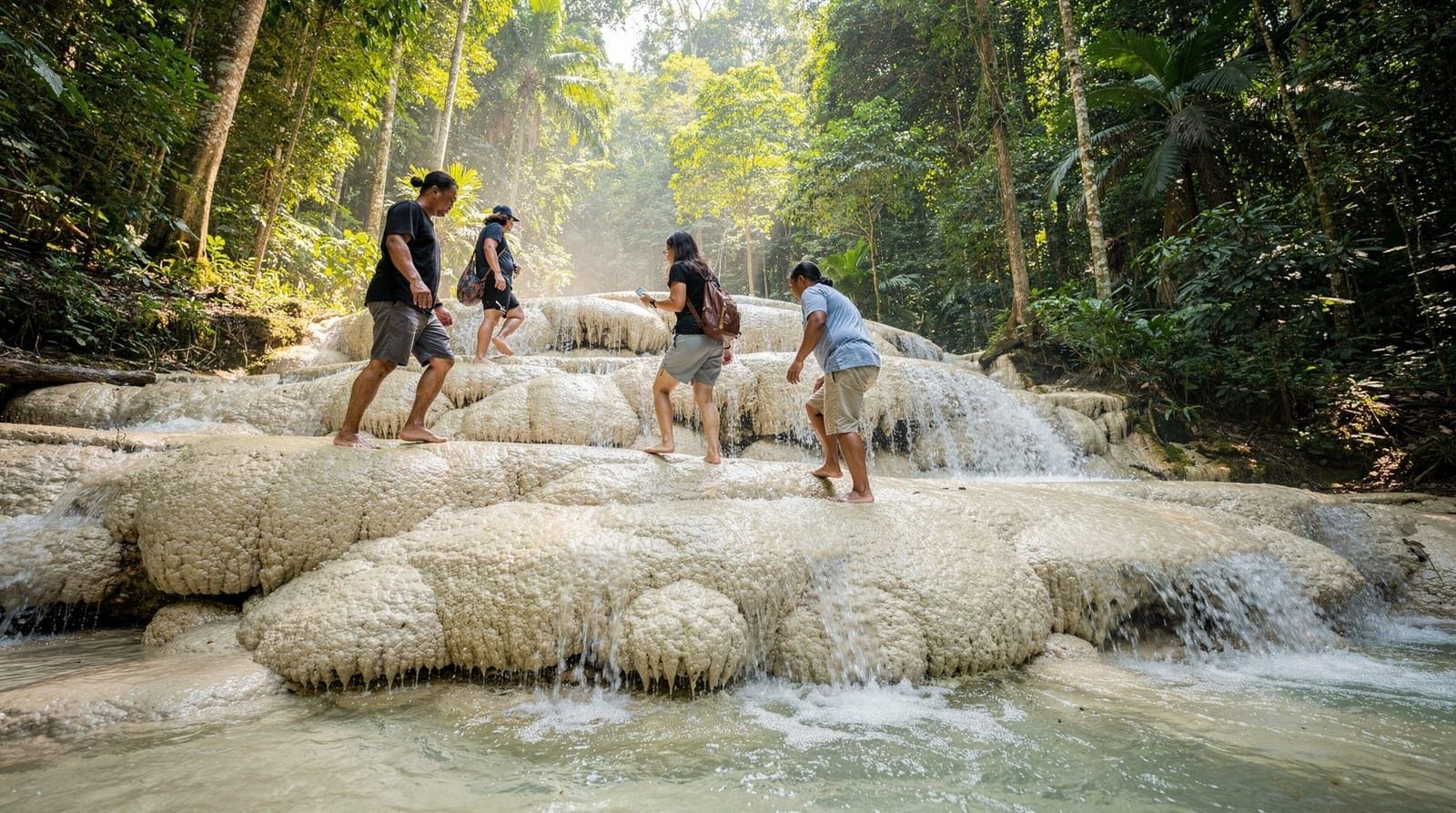
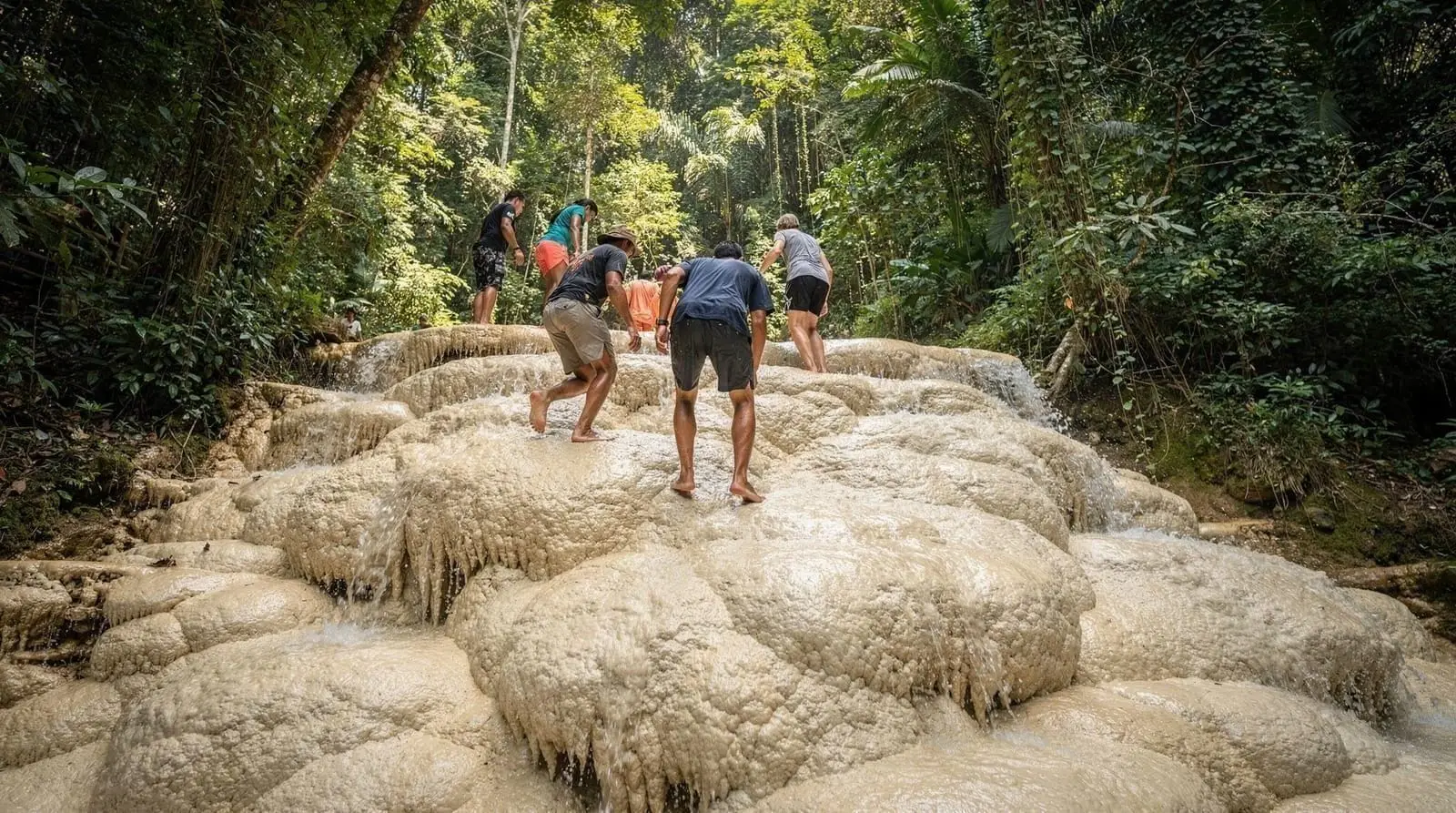
Climb Sticky Waterfall Like Spiderman from Chiang Mai City — half day, roughly 750-1,050 THB (21-29 USD). Functionally similar to the standard transfer tour, marketed specifically around the climbing experience itself, with a guide who points out the best routes up each tier.
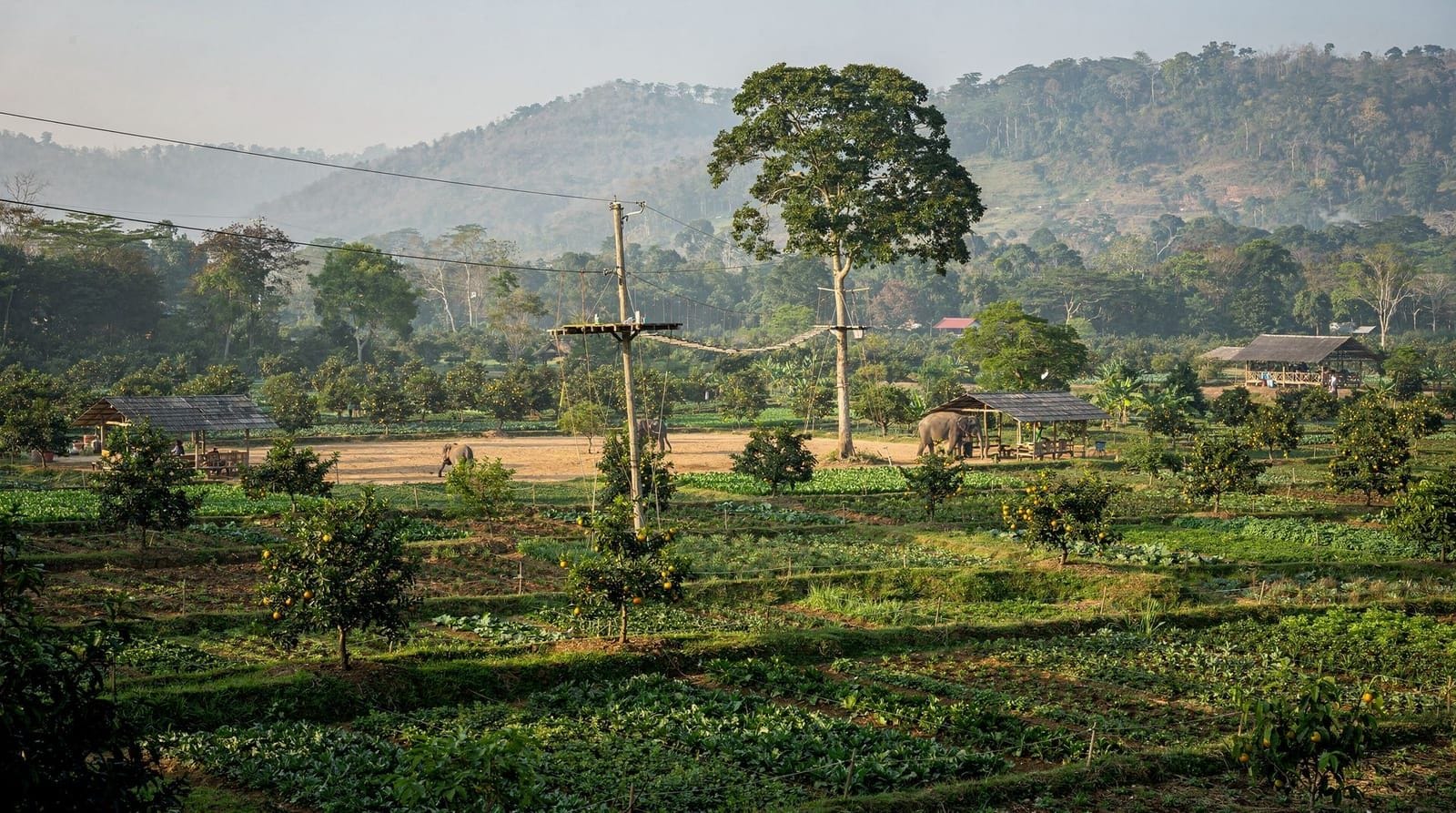
Waterfall, Elephant Sanctuary & Bamboo Rafting — full day, roughly 1,800-2,300 THB (50-64 USD). Combines the falls with an ethical elephant sanctuary visit and a bamboo-rafting session, the most activity-packed option if you want to fill a full day around the falls rather than treating them as a standalone half-day trip.
Afternoon Bua Tong Sticky Waterfall by Red Taxi — half day, roughly 650-950 THB (18-26 USD). An afternoon-departure option using a shared red songthaew taxi rather than a private van, generally the most budget-friendly transfer format, useful if mornings are booked with something else.
Half day vs full day: do you need the extras
Most visitors are genuinely satisfied with 1.5-2.5 hours at the falls themselves, which is why the plain half-day transfer tour covers what most people actually want. The combination tours are worth the extra cost specifically if the added stop (cave, buffet, or elephant sanctuary) interests you on its own merits, rather than purely for convenience, since each add-on roughly doubles the total price. Our sticky waterfalls day trip guide walks through a typical half-day itinerary in more detail.
Combining with an elephant sanctuary
Several ethical elephant sanctuaries operate in a similar direction from the city as Bua Thong, which is why the combination tour above bundles both into one day. If you’re deciding whether to combine or split the two activities across separate days, our elephant sanctuary and waterfall combo guide covers the trade-offs, and our Mae Rim destination page covers the broader area where most sanctuaries operate.
What to actually bring
A swimsuit under your regular clothes, a change of clothes for the ride home, water shoes or sandals with reasonable grip (even though many visitors do climb barefoot), sun protection, and cash for the on-site food stalls, since parking and snacks are paid separately from the free falls entry. Rainy-season visits (roughly June-October) mean higher water flow and a livelier cascade, but also a slipperier climb in places, so extra caution is worth it during those months.
Safety on the climb
The mineral-rich rock genuinely does provide unusual grip, which is the whole reason the site is popular for climbing rather than just viewing. That said, the surface is still uneven and wet in sections, and minor slips do happen, more often after heavy rain when flow is higher. Guides on tours like the “Climb Like Spiderman” option point out the safer, more reliable routes up each tier, which is a genuine advantage over an unguided visit if you’re climbing for the first time.
Where else this fits in your itinerary
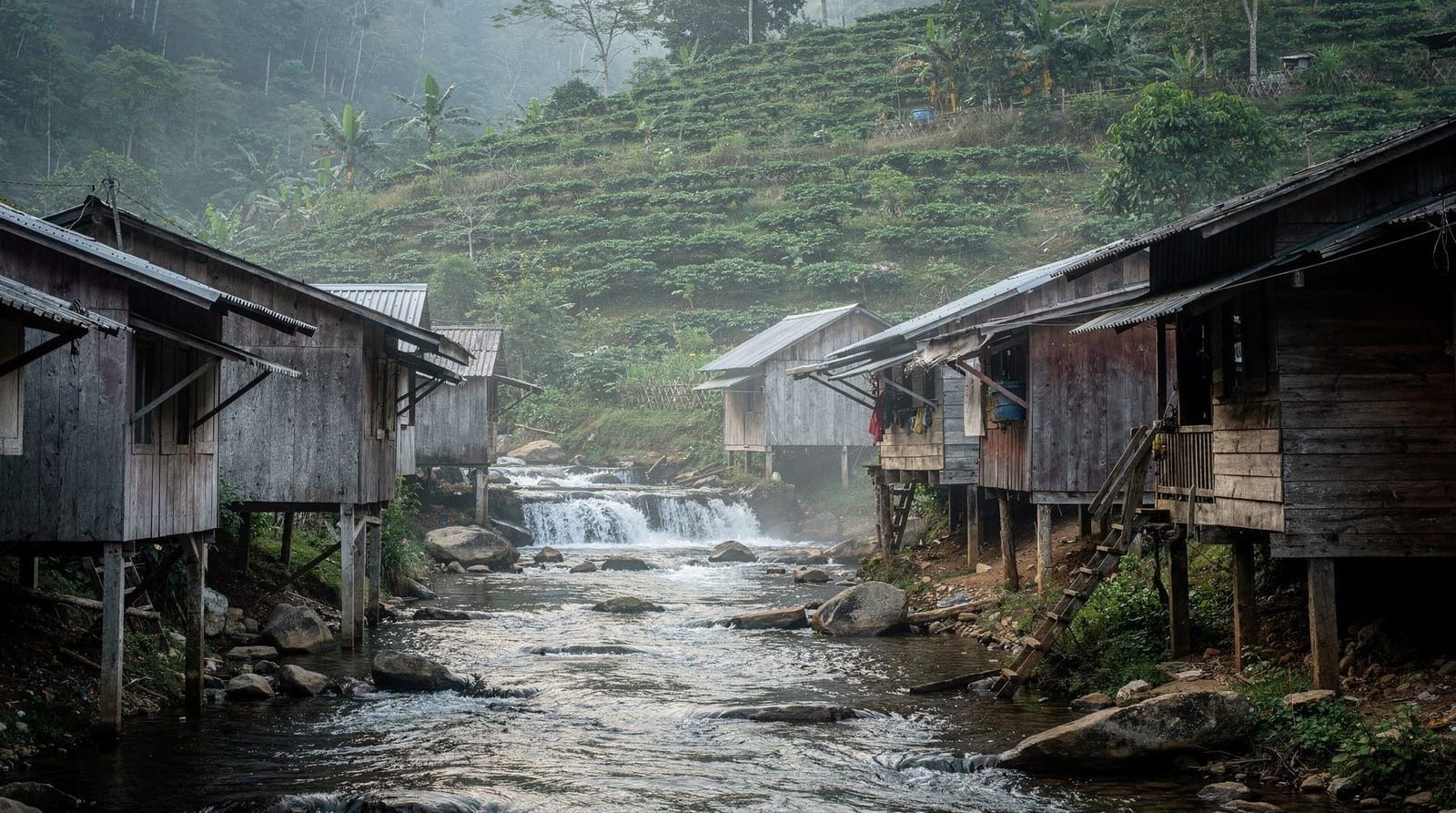
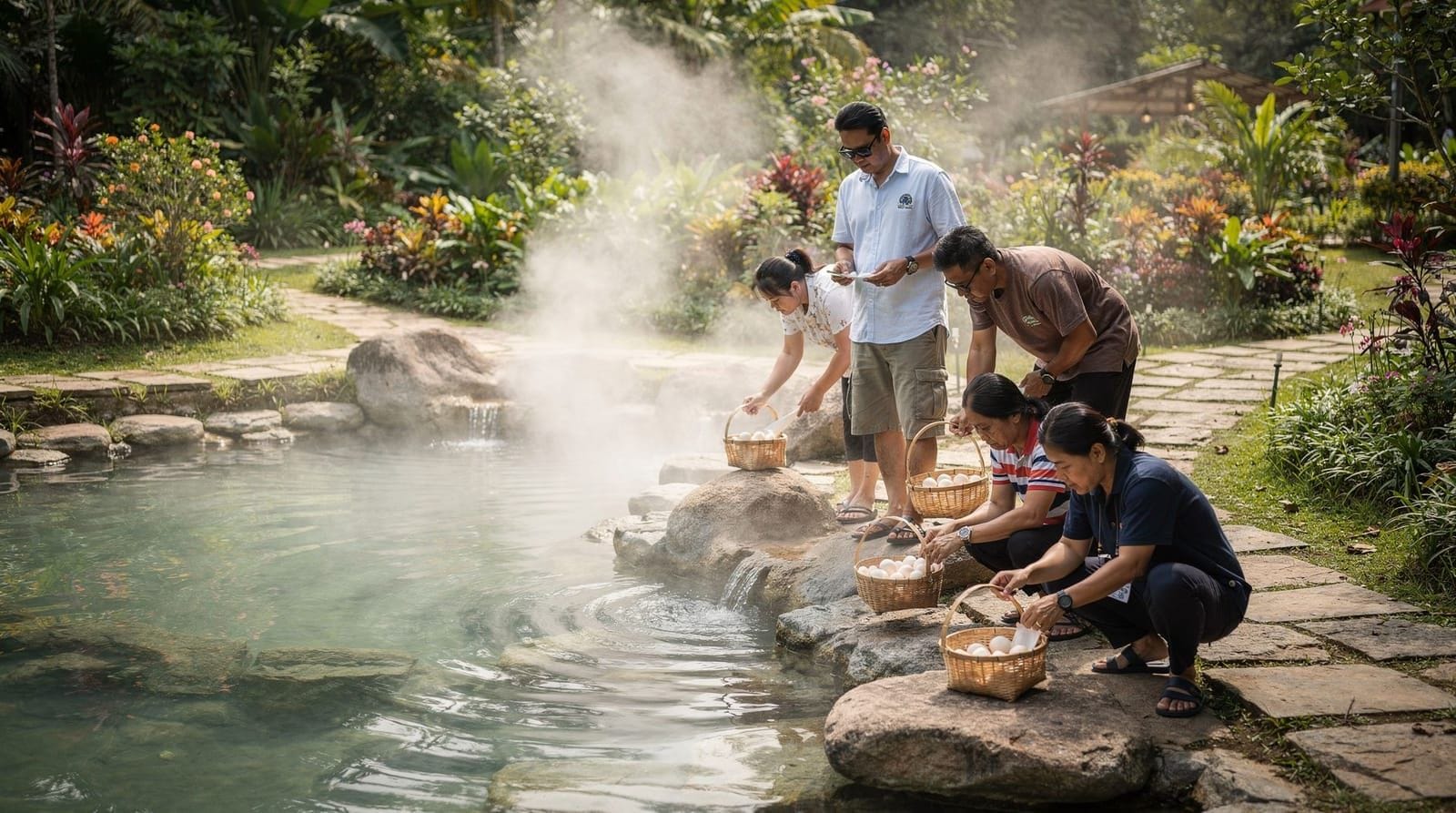
Bua Thong sits in the same general San Kamphaeng and Mae On direction as the San Kamphaeng hot springs and Mae Kampong village, which makes a combined day trip covering more than one of these worth considering if you have flexible time. Our San Kamphaeng day trip guide covers a few sensible combinations beyond the falls themselves.
Booking tips
Same-day or next-day booking is usually fine for any of these tours outside major Thai holidays, since Bua Thong doesn’t have the capacity constraints that permit-required sites like Doi Inthanon’s Kew Mae Pan trail do. If you’re comparing this against Chiang Mai’s other waterfalls, our best waterfalls near Chiang Mai guide covers how Bua Thong stacks up against Mae Sa and Huay Kaew specifically.
Why the transfer matters more than the falls themselves
Since entry is free and the climbing experience is identical whichever tour you book, the real point of differentiation between listings is the transfer format and any bundled stops, not the falls. A private car transfer gets you there faster and on your own schedule; a shared red-taxi transfer costs less but runs on a fixed group timetable with other travelers heading to the same site. If you’re short on time or traveling with young children who tire on a shared schedule, the modest premium for a private or small-group transfer is usually worth it. If budget is the priority and you don’t mind a slightly less flexible pickup window, the red-taxi option delivers the same waterfall experience for meaningfully less money.
Best time of day to visit
Bua Thong opens early, generally around 8am, and the first hour or two after opening is consistently the quietest, before day-trip tour groups and independent visitors on scooters arrive in numbers through mid-morning. Weekday visits are noticeably less crowded than weekends, when the site draws a significant number of local Thai visitors alongside international tourists, particularly during school holidays. Late afternoon, in the hour or so before the falls’ typical 5-6pm closing, is a secondary quieter window worth considering if an early start doesn’t suit your schedule, though the light for photography is less favorable than morning.
How Bua Thong compares to Chiang Mai’s other waterfalls
Most of Chiang Mai’s other waterfalls, including Mae Sa and Huay Kaew, are conventional cascades meant for viewing and occasional swimming in a pool at the base, rather than climbing the rock face itself. Bua Thong’s climbable, grippy limestone is genuinely unusual among the region’s falls and is the main reason it draws a dedicated tour market rather than being folded into a generic “waterfalls of Chiang Mai” itinerary. If you’re choosing between waterfall destinations rather than trying to fit in more than one, Bua Thong is the better pick specifically for the interactive climbing experience, while Mae Sa’s multi-tiered cascades suit visitors who’d rather view and photograph than scramble up wet rock. Our best waterfalls guide covers the full comparison across the region’s main falls if you’re deciding where to spend a half day.
Frequently asked questions about sticky waterfalls tours
What makes Bua Thong’s waterfalls “sticky”?
The rock is a porous, mineral-rich limestone formation that creates unusually high natural grip underfoot, letting visitors climb the cascades without the slipping typical of wet rock elsewhere.
Is Bua Thong worth doing as a tour, or can I go independently?
Independent visits by scooter or Grab are possible and entry is free, but a tour handles the roughly 1-hour drive and is worth it for the convenience or for bundled add-ons.
How much does a sticky waterfalls tour cost?
Roughly 700-1,000 THB (about 19-28 USD) for a straightforward half-day transfer tour, and 1,200-1,800 THB (about 33-50 USD) for combination tours with a cave, buffet, or elephant visit.
How long do you actually need at the waterfalls?
Most visitors spend 1.5 to 2.5 hours climbing and exploring, which is why a half-day tour of roughly 4-5 hours including transfer suits most people.
Is climbing the waterfalls safe?
Generally yes, though the rock is uneven and wetter in places, particularly after heavy rain. Closed-toe water shoes are worth bringing even though many visitors climb barefoot.
What should I bring to Bua Thong?
A swimsuit under your clothes, a change of clothes, water shoes or sandals with grip, sun protection, and cash for the on-site food stalls.
Can this be combined with other activities in one day?
Yes, several tours combine Bua Thong with a nearby cave, an elephant sanctuary visit, or bamboo rafting.
Compare alternative tours
| Tour | Duration | Rating | Price | Highlights | |
|---|---|---|---|---|---|
| Chiang Mai: Bua Tong Sticky Waterfall, Huge Cave & Thai Buffet | — | — | — | — | Check |
| Climb Sticky Waterfall Like Spiderman from Chiang Mai City | — | — | — | — | Check |
| Chiang Mai: Waterfall, Elephant Sanctuary & Bamboo Rafting | — | — | — | — | Check |
| Chiang Mai: Afternoon Bua Tong Sticky Waterfall by Red Taxi | — | — | — | — | Check |