Yi Peng lantern festival itinerary: 3 days timed to the full moon
Chiang Mai 2026 CAD Yi Peng Sky Lantern Festival (Official)
Yi Peng only happens once a year, timed to the full moon of the twelfth month of the Lanna lunar calendar — which usually falls in November on the Gregorian calendar, but shifts year to year, so the first thing to get right is confirming the actual dates before booking anything else. This itinerary assumes you’ve already checked those dates and are building a short trip specifically around them, rather than hoping the festival happens to fall during a general visit.
Quick answer: three days is the practical minimum for a Yi Peng trip — one day to settle in and see the city before the crowds peak, one day built around the main ticketed lantern release, and one day for a second (often less crowded) ceremony or a market visit before you leave. Budget roughly 2,000-4,000 THB (USD 56-111) per person per day, since ticketed lantern events run considerably higher than typical Chiang Mai activities.
Yi Peng vs Loy Krathong: get this straight first
Yi Peng and Loy Krathong happen on the same full-moon dates but are genuinely different traditions that get conflated constantly in trip-planning content. Loy Krathong is the countrywide festival of floating small banana-leaf or biodegradable krathong (little floats with candles and incense) on rivers and canals — you’ll see this happening at the moat around Tha Phae Gate and throughout the Old City for free, no ticket required. Yi Peng is specifically northern Thai and Lanna, centered on releasing khom loi (sky lanterns) — and the large, photogenic mass lantern releases you’ve likely seen in photos are ticketed events at specific venues outside the city, not something that happens spontaneously downtown. Our Loy Krathong vs Yi Peng guide covers this distinction in full, and it matters directly for this itinerary’s planning.
For exact 2026 dates and how early to book, see our Yi Peng 2026 dates and tickets guide — official mass lantern release tickets for the peak nights sell out weeks in advance, sometimes months for the most popular single event.
Day 1: Old City, the moat, and free Loy Krathong atmosphere
Morning. Settle in and spend the morning at a low-key pace around the Old City, visiting a temple or two while things are still quiet — the crowds build noticeably as the festival dates approach.
Afternoon. Rest and prepare for a later night — festival evenings run long, and pacing matters over a short three-day trip.
Evening. Head to Tha Phae Gate and the surrounding moat after dark for the free, citywide Loy Krathong atmosphere: locals and visitors floating krathong on the moat, food stalls, and a genuinely festive but uncrowded (relative to the main event) evening. This costs nothing beyond buying a krathong from a vendor (20-50 THB / USD 0.55-1.40) if you want to float one yourself.
Day 2: Doi Suthep before the crowds, then the main lantern release
Morning. Visit Doi Suthep early, ideally before 9am — the temple gets significantly busier as festival week progresses, and mornings are cooler and quieter regardless of the date. This is a good day for it since the afternoon and evening are reserved for the festival’s centerpiece.
Afternoon. Rest properly. The main lantern release events run late and involve significant travel time to venues outside the city, so treat this afternoon as recovery rather than sightseeing.
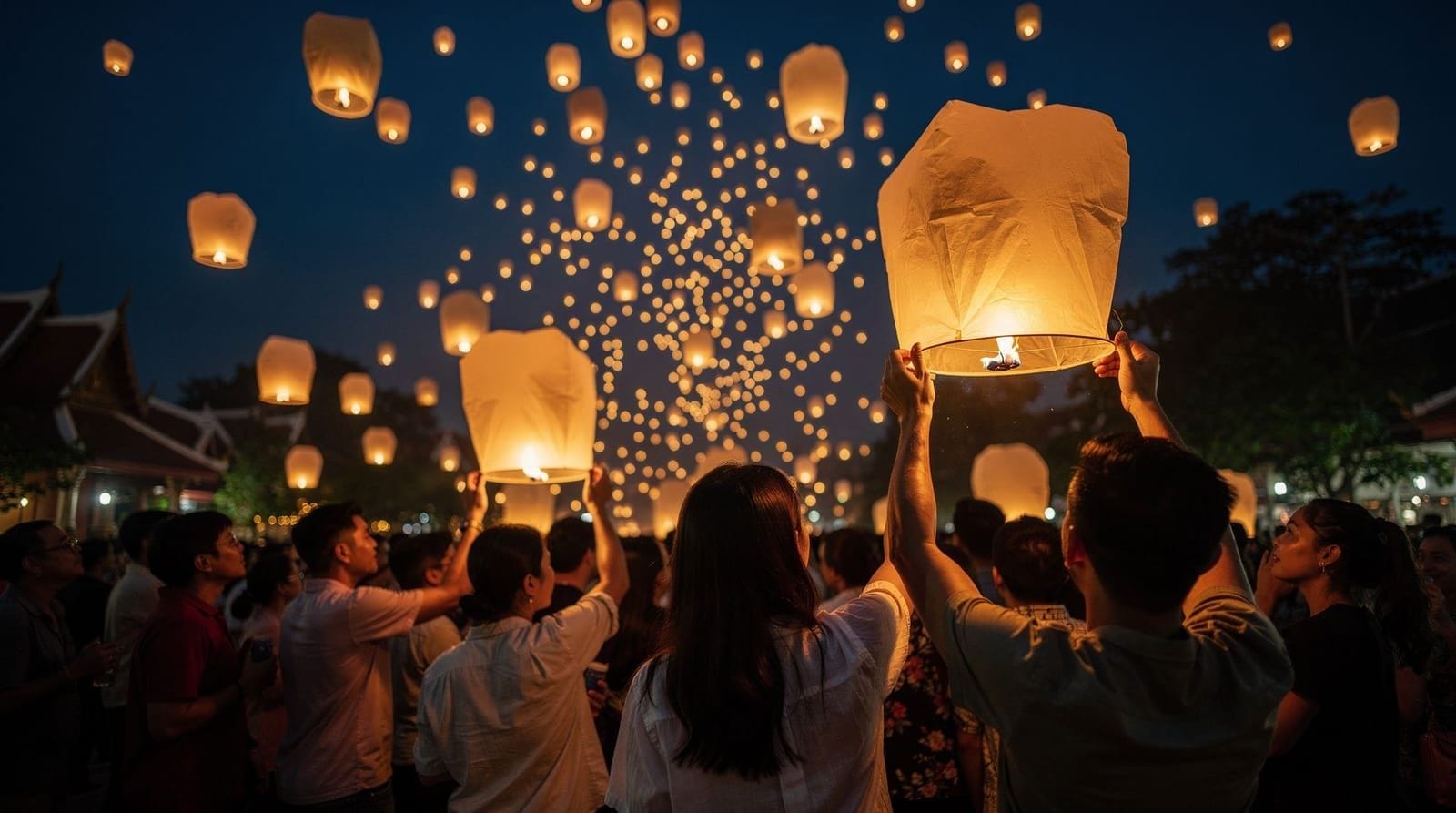
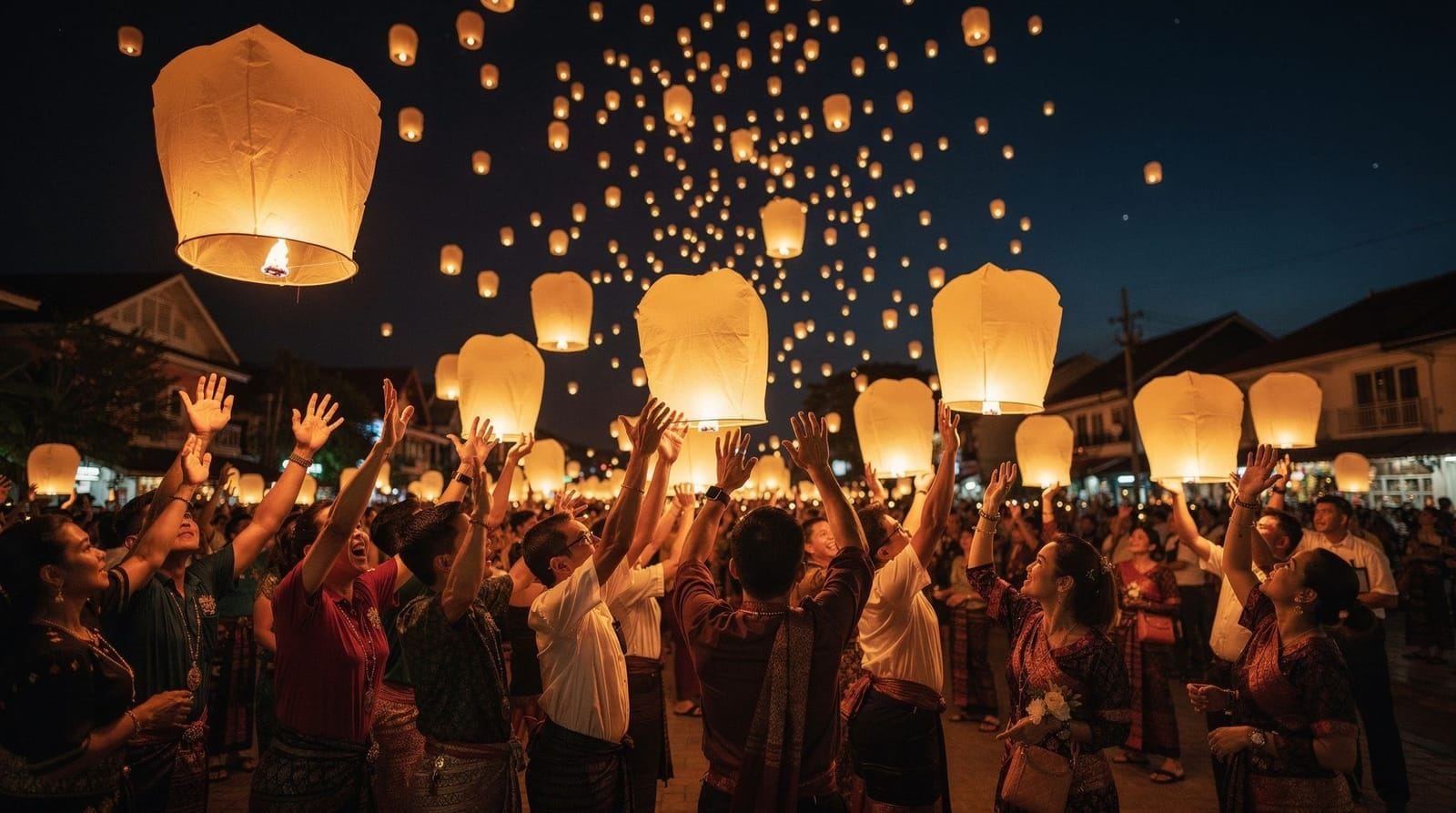
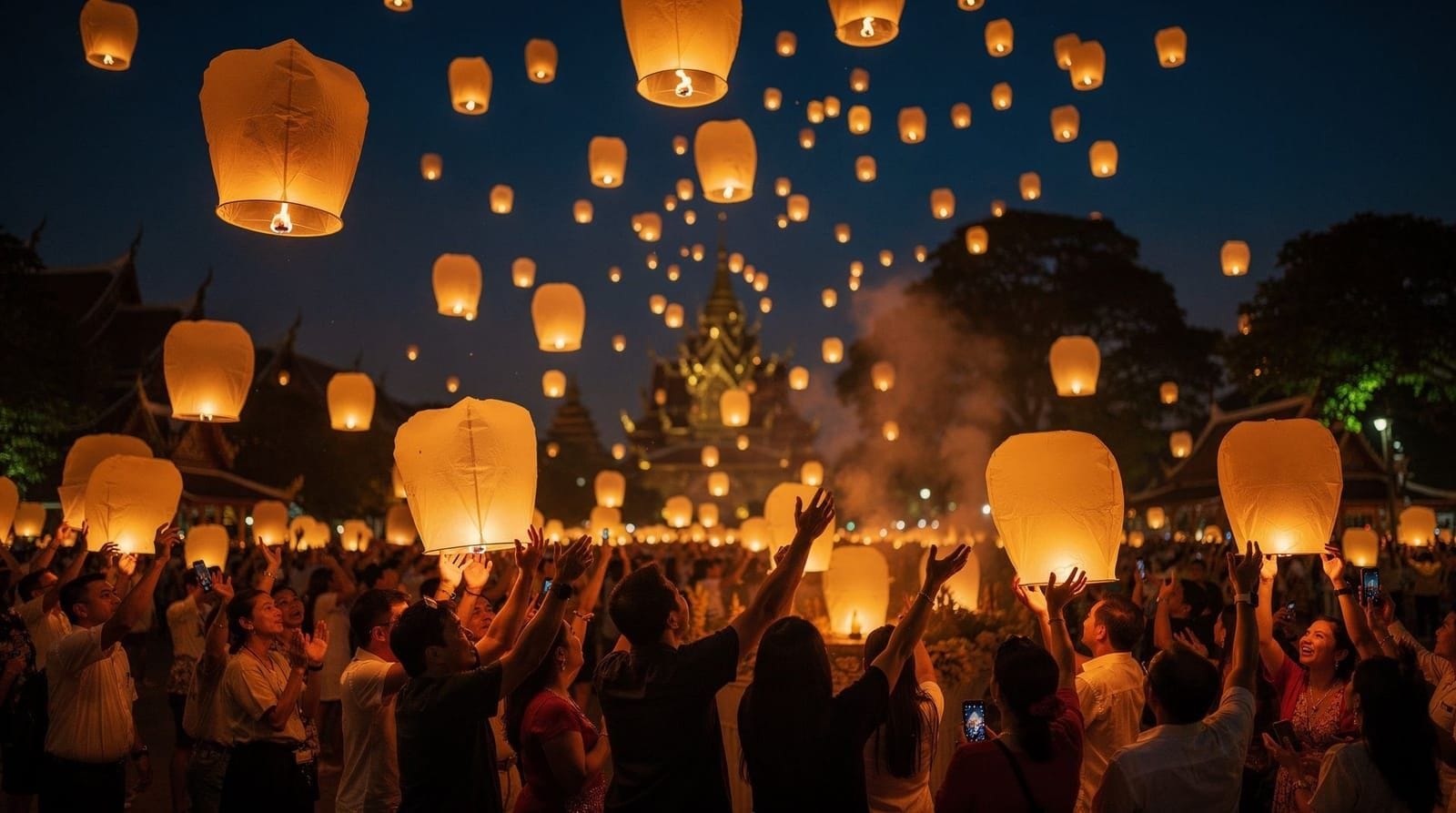
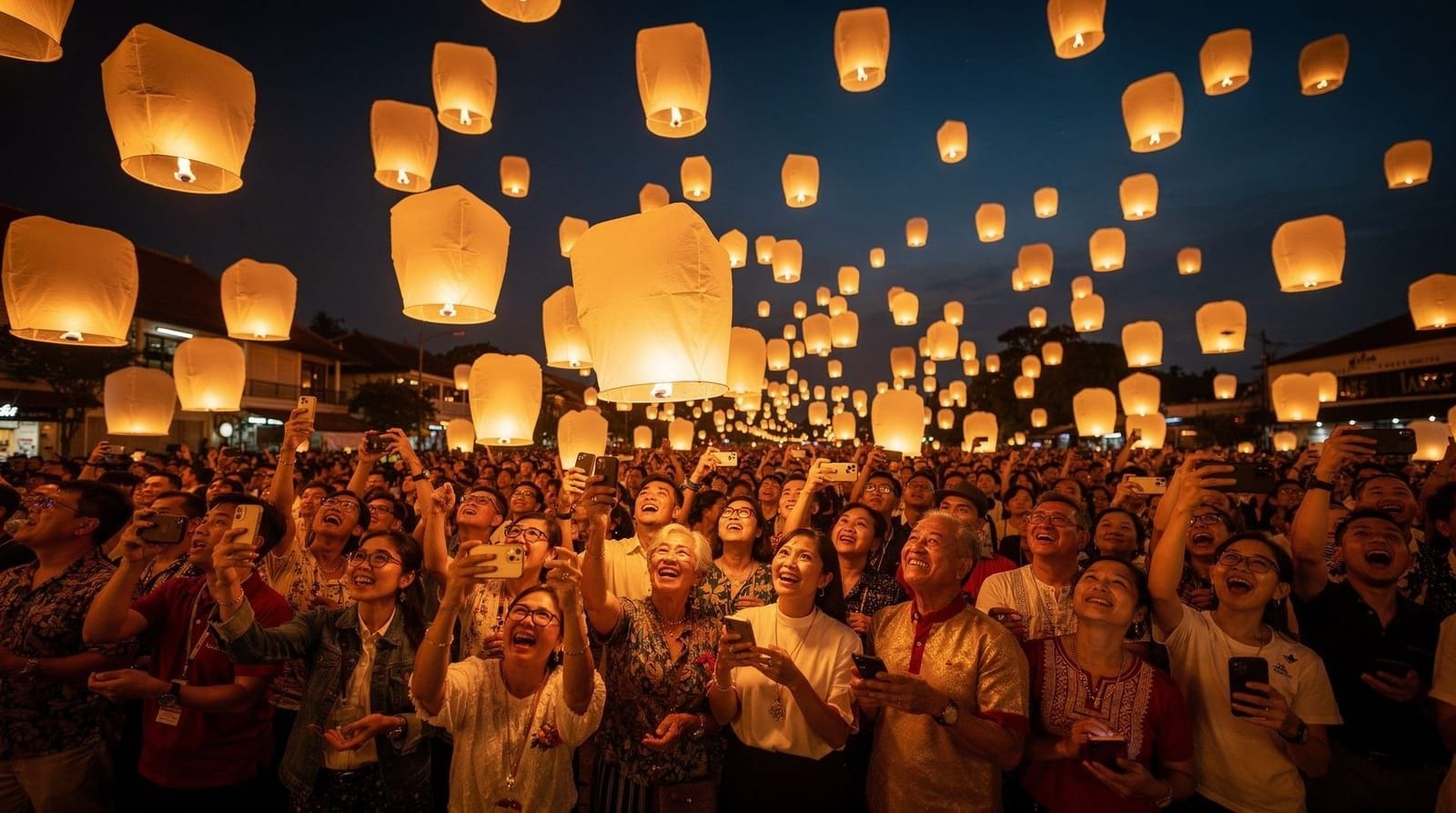
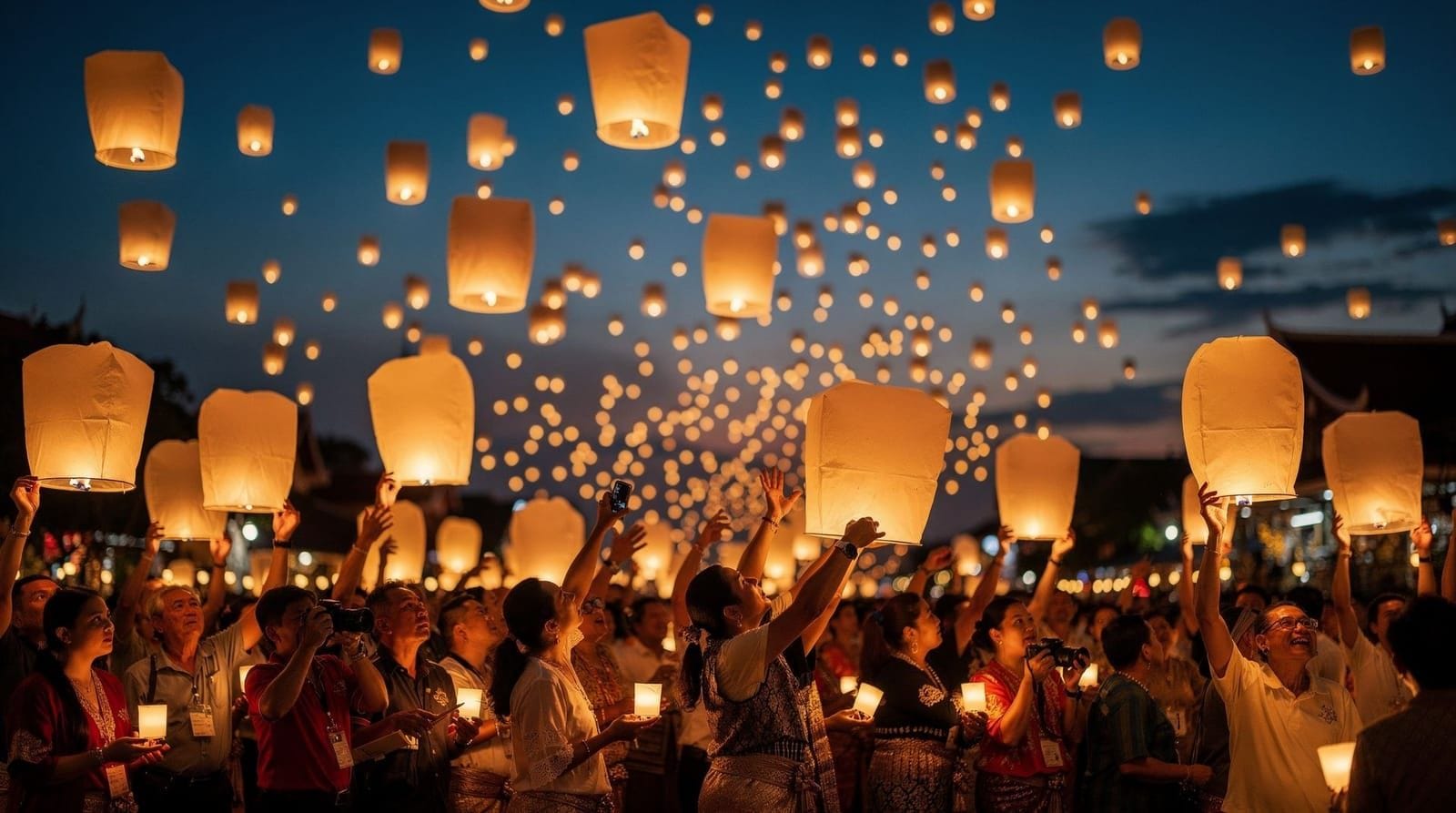
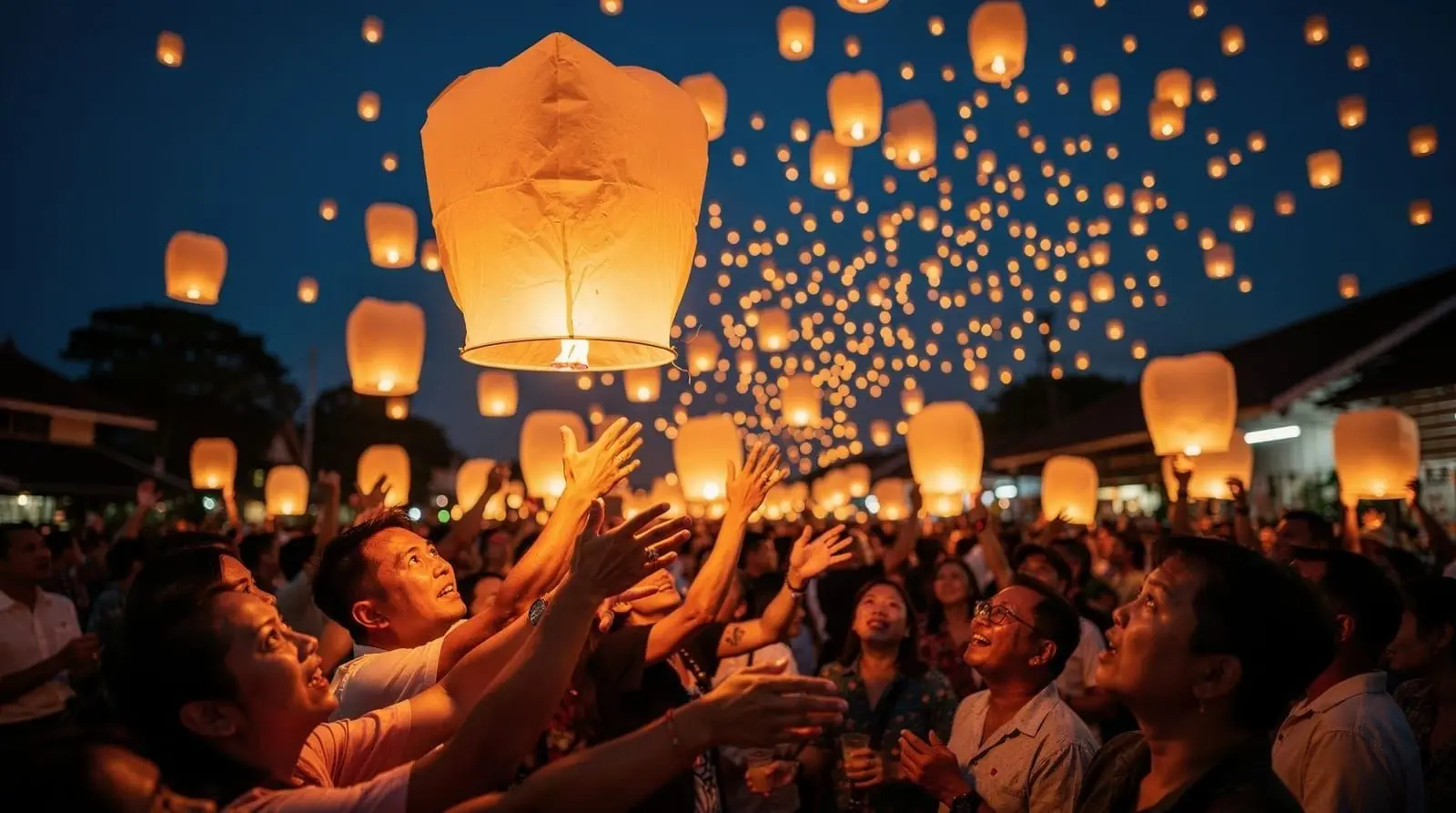
Evening. Attend the primary ticketed event. The official CAD Yi Peng Sky Lantern Festival is the largest and most photographed of the organized releases, typically priced 2,500-4,500 THB (USD 69-125) per person depending on seating tier, and usually includes round-trip transport, a set dinner, and a single coordinated mass lantern release timed to a countdown. An alternative is the Yi Peng Lantern Festival at Maejo University, a separate venue and organizer with its own date and price point, generally in a similar range. These are not interchangeable — each is a specific ticketed event on a specific date, so confirm you’re booking the night and venue you actually want, not just “a lantern festival ticket.”
Day 3: A quieter second ceremony, market, and farewell
Morning. If your third day falls on a Sunday, the Sunday Walking Street gets an extra festival-week atmosphere — expect it busier than usual. Otherwise, use the morning for any Old City temples or shopping you haven’t covered yet.
Afternoon. Rest again before a second evening out — many travelers underestimate how tiring two consecutive late festival nights are on top of daytime sightseeing.
Evening. If you want a second, sometimes less crowded lantern experience, the Yeepeng Lanna Lantern Festival runs as a separate official ceremony, often on an adjacent date to the CAD event, with its own transport and dinner package in a comparable price range. If you’d rather skip a second big ticketed event, spend the evening instead at the Night Bazaar, which runs its usual hours with an extra festive energy during Yi Peng week, at no additional cost beyond what you buy.
Should you book the biggest, most expensive event, or a smaller package?
The large official releases (CAD Yi Peng, Yeepeng Lanna) are priced at a premium specifically because they’re centrally coordinated — everyone releases lanterns together on a signal, which is what produces the mass-release photos you’ve likely seen. Smaller or more flexible local sky lantern packages with optional add-ons run cheaper (often 1,200-2,000 THB / USD 33-56) but involve smaller, less synchronized releases at smaller venues — a genuinely different atmosphere, not simply a discount version of the same thing. If the mass-release photo is specifically what you’re after, book one of the two major official events; if you just want to release a lantern and experience the festival more intimately, the smaller packages are a legitimate, honest alternative.
The honest environmental and safety conversation
Sky lanterns are open flames released into the air, and they carry real environmental and safety considerations — wildfire risk during dry periods, litter from lanterns that fall in forests or farmland, and occasional air-traffic disruption near Chiang Mai’s airport, which is why some releases are tightly scheduled and coordinated with aviation authorities rather than freeform. Our sky lantern safety and environmental impact guide covers this honestly rather than glossing over it — worth reading before you book, since some travelers choose to watch rather than personally release a lantern once they understand the full picture.
What to bring to a ticketed lantern release
Most official events run their main release after dark and involve sitting or standing on open ground for an extended period before the coordinated countdown, so bring a light layer for the cooler evening air, especially if the venue sits slightly outside the city where temperatures drop faster. A phone or camera with a steady grip or small tripod matters more than expensive gear for capturing the release itself — our lantern photography tips guide covers manual settings if you’re shooting on a proper camera. Bring cash for any additional lanterns, food, or drinks sold at the venue beyond what’s included in your ticket, since not every stall accepts cards. If your event includes a set dinner, note the serving time in your ticket details — these are typically large, tightly scheduled events, and arriving late can mean missing the meal service window.
If tickets are sold out
The largest official releases genuinely do sell out, sometimes weeks ahead for the most in-demand single date. If that happens, don’t assume the trip is off — smaller, independently organized sky lantern releases run throughout the festival period at guesthouses, temples, and smaller venues around the city and in nearby towns, typically at a lower price point and with a more intimate, less choreographed atmosphere. Ask your accommodation directly, since many guesthouses either run or know of smaller local releases that don’t require booking through the major online platforms. The free Loy Krathong krathong-floating at Tha Phae Gate and along the moat remains available to everyone regardless of ticket availability for the ticketed events.
Budget summary
Across three days, plan for roughly:
- Free Loy Krathong evening at Tha Phae Gate: 20-50 THB (USD 0.55-1.40) for a krathong
- Doi Suthep entry and transport: 300-500 THB (USD 8-14)
- Main ticketed lantern event (CAD Yi Peng or Maejo University): 2,500-4,500 THB (USD 69-125)
- Second event or smaller package: 1,200-3,500 THB (USD 33-97) depending on choice
- Meals and incidentals: 400-700 THB (USD 11-19) per day
Total for the three days, excluding accommodation, typically lands between 5,500 and 10,500 THB (USD 153-292) per person, driven almost entirely by which and how many ticketed events you book.
Frequently asked questions about this Yi Peng lantern festival itinerary
When exactly does Yi Peng happen in 2026?
It follows the full moon of the twelfth lunar month, which shifts each year — see our 2026 dates and tickets guide for the confirmed dates and how far ahead to book.
Is Yi Peng the same as Loy Krathong?
No — they share the same dates but are different traditions: Loy Krathong is free, citywide, and centered on floating krathong on water; Yi Peng is the northern Thai sky lantern tradition, and the large photogenic mass releases are ticketed events at specific venues.
How far in advance should I book lantern festival tickets?
Weeks to a couple of months ahead for the most popular official events, since capacity is limited by the venue and the logistics of a coordinated release.
Can I release a lantern anywhere in the city for free?
No — releasing sky lanterns outside organized, permitted events is restricted in and around Chiang Mai, partly due to airport proximity and fire risk. Free Loy Krathong krathong-floating is different and unrestricted.
Is it worth paying for the most expensive ticket tier?
Higher tiers usually mean better sightlines and seating for the mass release rather than a fundamentally different experience — reasonable to book a mid-tier ticket unless front-row photography is a priority.
What should I wear to an evening lantern event?
Light, breathable clothing for the daytime heat with a layer for after dark, closed-toe shoes for standing on grass or dirt fields, and be mindful that some venues have modest dress expectations if there’s a temple or cultural component.
Is Chiang Mai extremely crowded during Yi Peng week?
Yes, noticeably more than a typical week — accommodation prices rise and popular temples get busier, which is exactly why this itinerary front-loads Doi Suthep before the peak crowds.
Can I photograph the mass lantern release well as a beginner?
Yes, with some preparation — our lantern photography tips guide covers camera settings and positioning specific to the low-light, single-moment nature of a coordinated release.
Top experiences
Bookable activities with verified prices and instant confirmation on GetYourGuide.